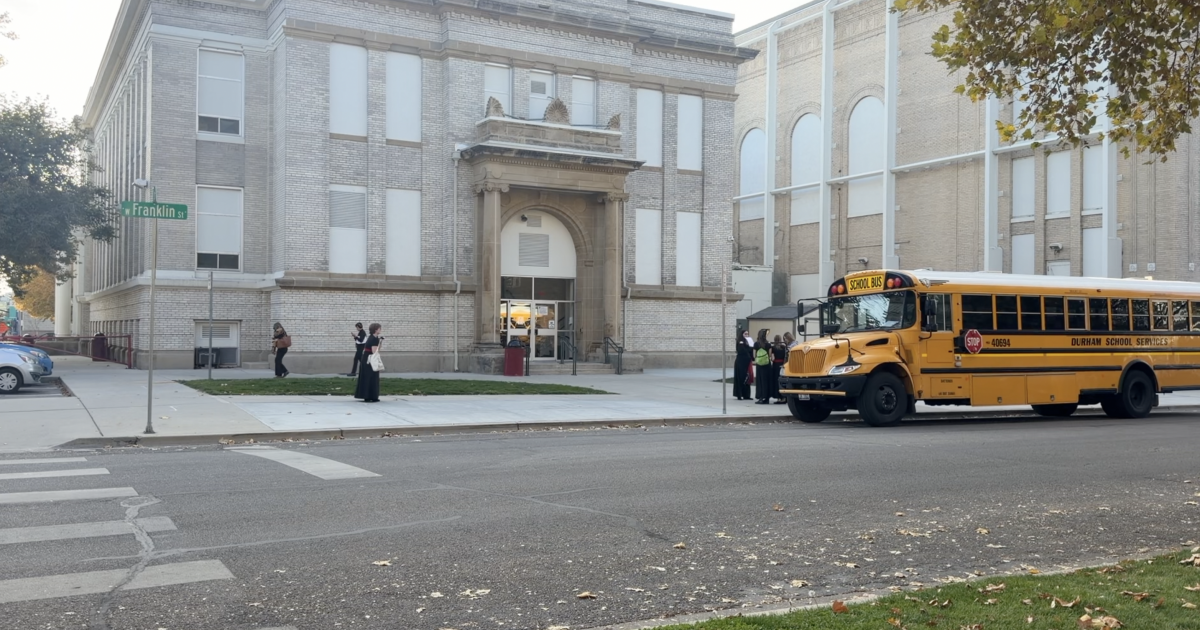
“I have concerns that the loss of academic credits that would impact my child’s mental health,” says Megan Boston, a parent of a junior high student in the Boise School District. Boston’s hesitation reflects a growing tension in Idaho’s capital as the district weighs a significant overhaul of its daily bell schedule. If approved, the proposal would flip start times for the 2027-2028 school year, moving high school and junior high students to later start times while shifting elementary students to an earlier morning bell.
The district’s School Start Time Committee has spent two years investigating the logistics of this shift, according to the Idaho Statesman. The primary driver behind the move is a body of research suggesting that adolescents perform better academically and emotionally when they are well-rested. The American Academy of Pediatrics has long categorized chronic sleep deprivation in teens as a public health issue, noting that later starts can improve focus, memory, and emotional regulation. However, the proposal to align Boise’s schedule with these biological needs comes with a complex set of trade-offs that have left parents and students divided.
The Academic Trade-Off of a Six-Period Day
One of the most controversial elements of the committee’s recommendation is the reduction of the high school schedule from seven class periods to six. This change would drop the number of credit-earning opportunities from 56 to 50. While the district’s graduation requirement stands at 48 credits, students and parents fear that the loss of two elective slots will limit opportunities for arts, language, and college-prep coursework.
What’s going on at Capital High? Boise School District works on summer upgrades https://t.co/VTVDYaNheD
“I want to enjoy my high school and take the fun classes that especially Boise High has to offer,” student Rosemary Butler told KIVI-TV. Her peer, Teddy Winkler, added that the current seven-period structure provides the flexibility needed to build a competitive college application. For families like the Bostons, the prospect of losing these options threatens to dampen student motivation, turning a proposed well-being initiative into an academic bottleneck.
Logistical Strains and Transportation Costs
Beyond the classroom, the proposal creates a ripple effect for family operations. Under the plan, elementary students would start at 8:00 a.m. instead of 8:45 a.m., a change that Megan Boston notes could force parents to adjust their own work schedules or scramble for additional childcare. Transportation is another major hurdle; the district has estimated that modifying only secondary start times could require dozens of additional bus routes, carrying a price tag of roughly $7 million annually.
To mitigate these costs, the district is considering a “flipped” model where younger students start earlier. Yet, this introduces its own friction. Combining elementary bus routes to maximize efficiency could lead to rides lasting up to an hour and a half, with some students potentially needing to board buses as early as 6:00 a.m. “Those bus routes would need to start around 6 a.m. or earlier,” Boston observed. “And that to me is just swapping one problem for another.”
Conflicting Schedules and Community Feedback
The district is currently seeking community input through a survey that went live on November 5, 2026. The feedback loop is essential because previous district polling showed a stark divide: while 68% of parents with high schoolers supported a later start, only 36% of elementary school parents expressed strong support for shifting their children to an earlier time. Adding to the complexity, Boise student-athletes may face a unique disadvantage, as neighboring districts in the athletic conference are not expected to adopt similar changes, likely resulting in students missing late-afternoon classes to compete in games.

For students like Kaira Stambulis, the potential benefits remain a compelling counter-argument. “Sleep is just really important,” she said, noting that being exhausted throughout the school day significantly lowers her motivation to learn. Yet, other students, such as Zayden Gabby, worry that the late release time—projected at 4:02 p.m. or later depending on the specific model—will collide with already packed evening schedules.
The Board of Trustees will review the results of the community survey during its December or January meetings. Residents have until 5:00 p.m. Mountain Time on December 4, 2026, to submit their final thoughts on the proposal.
- Warm Winds and Rising Temperatures Hit Northern Rockies This Weekend
- Jefferson City Parks Seeks New Operator for Capital Region Amphitheater
- Sausages Return and £200 Certificates Would End; Start May Slip to 2028 (daybreakwire.com)
- Qatar proposes Iran nuclear Inspections for Strait of Hormuz reopening (archyde.com)

Warm Winds and Rising Temperatures Hit Northern Rockies This Weekend
Billings Weather Shifts Toward Unseasonable Warmth Through the Weekend Residents across the Billings area are bracing for a...

Jefferson City Parks Seeks New Operator for Capital Region Amphitheater
Jefferson City Parks Initiates Search for New Amphitheater Operator The Capital Region Amphitheater is entering a period of...

San Jose Sharks lose 7-2 to Kings and drop six of last seven games
San Jose Sharks Struggle to Find Rhythm Amid Six-Loss Slide It is a difficult reality when a 4-1...

Chuck Jones used realistic animation for Michigan J. Frog
On December 31, 1955, moviegoers across the United States witnessed a debut that defied the conventions of mid-century...