
The Shrinking Republican Footprint in Springfield
In a recent editorial, the Chicago Tribune argues that the dramatic expansion of the Democratic supermajority in the Illinois state legislature creates a critical vacuum in political oversight. Following the midterm elections, Democrats appear poised to control 45 of 59 seats in the state Senate and up to 85 of 118 seats in the House. This shift leaves the Republican Party with a diminished presence—notably, Senate Minority Leader John Curran of Downers Grove remains the sole Republican representative from suburban Chicago in the upper chamber.
The newspaper contends that this level of dominance renders the Republican minority effectively irrelevant in the day-to-day legislative process. With the GOP largely sidelined, the editorial points to Governor JB Pritzker as the primary figure who has previously moderated the more progressive impulses of his party. The publication notes that the governor has, until now, quietly blocked efforts to increase corporate income taxes or impose levies on the unrealized gains of billionaires—policies that could gain new momentum as the Democratic majority expands.
Pension Reform and the Tier 2 Challenge
A central concern raised in the column is the future of public-sector pension policy. The editorial warns that bolstered Democratic majorities will likely embolden public-sector unions to push for significant revisions to the Tier 2 pension system, which was established 16 years ago to address the state’s massive underfunded liabilities. According to the Tribune, the state’s current tax burden is heavily tied to the necessity of funding these retirement obligations. Reversing the existing pension reforms, the paper argues, would force a sharp rise in taxes to cover the resulting fiscal gap.

The editorial further suggests that Governor Pritzker’s attention may shift away from Springfield as he looks toward national politics. While the governor has publicly maintained his focus on Illinois, the Tribune observes that his post-election focus—highlighted by a sprawling, multi-point national agenda—suggests a pivot toward federal ambitions. This potential distraction, the publication claims, necessitates that moderate Democrats in the House and Senate step into the role of fiscal stewards.
The Need for New Leadership and Open Debate
The Chicago Tribune advocates for a change in the internal culture of the Illinois House, specifically targeting the leadership style of Speaker Emanuel “Chris” Welch. The editorial notes that 26 House Democrats recently issued a statement calling for new leadership, a move the publication endorsed. The paper highlights the case of Rep. Fred Crespo, who faced pressure for deviating from the party’s official stance, as evidence of a stifling environment for dissent.

The editorial calls for the abandonment of the “Welch rule,” an informal practice requiring at least 60 Democratic votes before a bill can reach the floor. The authors argue that this practice pushed legislation further to the left and created opportunities for special interests to block policy discussions behind closed doors. The piece concludes that the current political landscape requires a departure from these insular practices.
Democratic voters in the suburbs have different priorities than Democratic voters in Chicago, not to mention Democratic voters downstate. Our policymaking must reflect those differences if Illinois is going to reverse its stagnant trend lines.
As the state moves forward, the Tribune asserts that the selection of a new speaker will serve as the first true test for moderate Democrats. Whether the party can foster an environment of open debate, similar to the discourse often seen among Democrats in Washington, D.C., will likely determine the direction of state policy. Without such internal pushback, the paper suggests that Illinois risks doubling down on the tax and regulatory policies that have already left the state trailing its Midwestern neighbors in economic growth.

Warm Winds and Rising Temperatures Hit Northern Rockies This Weekend
Billings Weather Shifts Toward Unseasonable Warmth Through the Weekend Residents across the Billings area are bracing for a...

Jefferson City Parks Seeks New Operator for Capital Region Amphitheater
Jefferson City Parks Initiates Search for New Amphitheater Operator The Capital Region Amphitheater is entering a period of...

San Jose Sharks lose 7-2 to Kings and drop six of last seven games
San Jose Sharks Struggle to Find Rhythm Amid Six-Loss Slide It is a difficult reality when a 4-1...
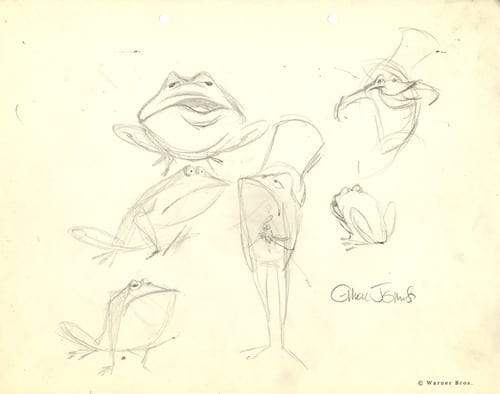
Chuck Jones used realistic animation for Michigan J. Frog
On December 31, 1955, moviegoers across the United States witnessed a debut that defied the conventions of mid-century...