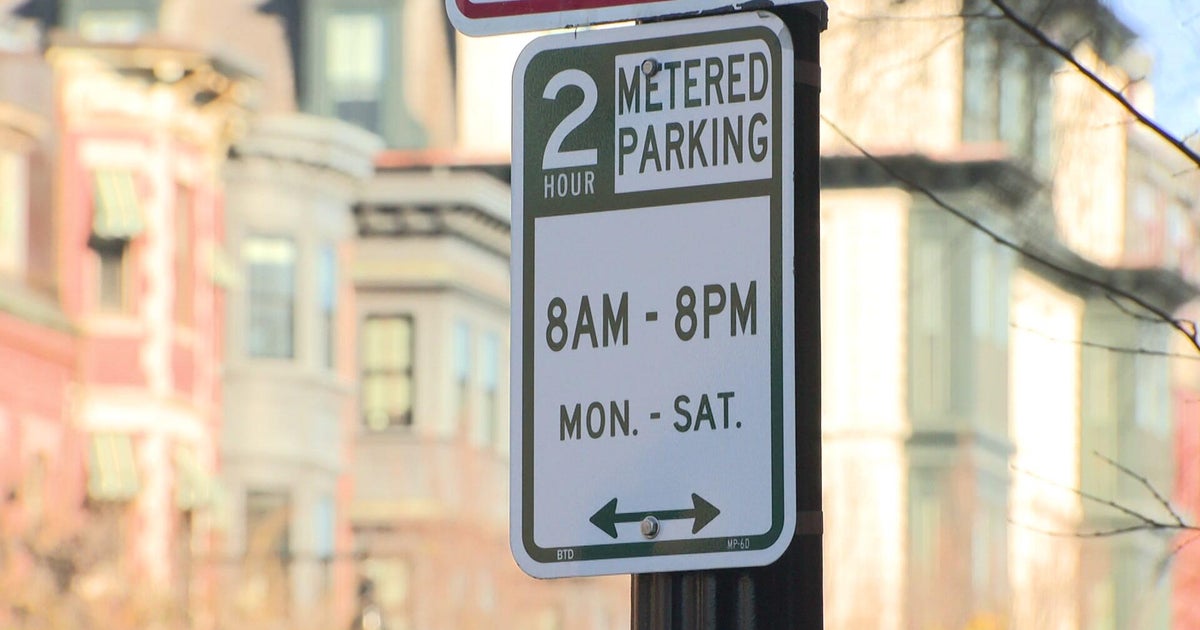
Boston’s City Council voted Wednesday to strip minimum parking requirements from new residential projects, a move supporters call the biggest zoning overhaul in decades and opponents warn will pack neighborhood streets with cars.
The measure, led by Councilor Sharon Durkan, passed after hours of tense debate that saw last-minute carve-outs for East Boston, Charlestown, and Mattapan pushed to a 2029 start date.
Durkan told colleagues the mandates are “one of the most significant factors that contributes to the cost of new housing in Boston,” boston.com reported. The Boston Globe noted she framed the change as replacing “outdated mandates with flexibility, allowing developers to build parking based on demand.”
The cost of a space
Numbers from the Pioneer Institute, cited across the coverage, lay bare why developers and housing advocates pushed so hard. Building a single above-ground garage space runs $34,000 to $59,000; underground, the bill jumps to $106,000 to $152,000.
CBS News Boston quoted Durkan putting the monthly rent impact at roughly $200 per unit. A 2019 Metropolitan Area Planning Council study found 30 percent of off-street spaces in Boston and 20 surrounding cities sat empty at peak hours, the Globe reported.
“This is not a silver bullet, but it’s a common-sense reform within our control. Our residents have entrusted us to act, and we cannot afford to move [at a] neighborhood-by-neighborhood pace while rents continue to climb.”
Durkan said, according to the Globe.
Neighborhood fault lines
The vote split along geographic lines. Councilors Liz Breadon, Gabriela Coletta Zapata, Miniard Culpepper, Ruthzee Louijeune, Enrique Pepén, Henry Santana, and Ben Weber joined Durkan. Julia Mejia switched from “present” to yes late in the session. John FitzGerald, Ed Flynn, Erin Murphy, and Brian Worrell voted no.
Coletta Zapata secured the three-year delay for her district and Mattapan, arguing those neighborhoods had just finished “street by street” master plans with bespoke parking rules. “This isn’t about carving out neighborhoods because they oppose change, it’s about recognizing the neighborhood that has already undertaken that change,” she told the Globe.

Murphy called the measure a “blanket approach” that ignores the reality of crowded curbs. “Eliminating parking requirements does not eliminate cars,” she said Wednesday, per CBS News. “When new developments do not supply sufficient parking, that demand can spill onto already crowded streets.” Councilor Erin Murphy warned the reform risks “severely jeopardizing the character and quality of life of many of our neighborhoods.”
South End resident Betina Yacoub echoed that fear to CBS News: “It’s already hard enough to pay rent in Boston and to pay for parking. The public transportation system isn’t that great either.” Her neighbor Benny Mclester disagreed: “Traffic is everywhere… but housing is a much bigger problem than traffic.”
What comes next
The measure now heads to the Boston Zoning Commission for approval. Mayor Michelle Wu has not endorsed the citywide elimination. Her office told the Globe the administration will “evaluate the implications of eliminating parking minimums citywide,” noting its preferred neighborhood-by-neighborhood approach has already removed minimums downtown and in several commercial corridors. Housing groups including Abundant Housing Massachusetts and the Greater Boston Real Estate Board backed the council’s vote.
Durkan, who grew up in Georgia and attended Smith College in Northampton, first came to Boston politics as finance director for Michelle Wu’s 2015 council reelection campaign and later served as Massachusetts finance director for Senator Ed Markey’s 2020 bid. She chairs the council’s Committee on Planning, Development, & Transportation, a role that placed her at the center of the parking-reform debate.
The Boston Foundation’s latest Housing Report Card, released this month, projects a slowdown in homebuilding for 2026 and finds half of Greater Boston renters cost-burdened — context Durkan cited repeatedly during the debate.
Keep reading
VBCPS 2026-27 Calendar: Key Dates, Breaks, and Schedule Caddie Tool
Virginia Beach families can finally lock in the 2026-27 school year, a calendar that opens August 24 and...

Rejected Ballots Leave Mississippi HBCU Students Feeling Disenfranchised
Hundreds of students at Tougaloo College and Jackson State University cast provisional ballots on Election Day that were...

CCRI to Launch Free 160-Hour CNA Training in Westerly With Federal Funds
Rhode Island is opening a free, federally funded training pipeline into nursing homes and hospitals as the state...

WSJ Reports Tech Outages Hit Year High, Systemic Events Below Normal; Identifies Four Risk Channels
Widespread technology outages hitting Microsoft, United Airlines, and JPMorgan Chase in the week through Tuesday reached their highest...