
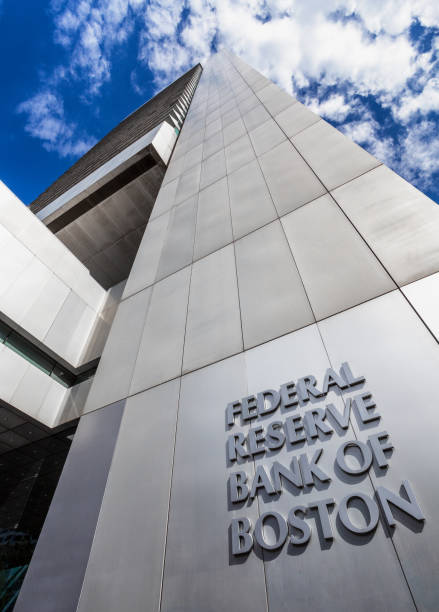
Economic activity in the First District was roughly unchanged in recent weeks after expanding slightly in the prior period, the Federal Reserve Bank of Boston reported Wednesday.
Manufacturing output held steady while nonfinancial services grew modestly. Consumer spending excluding autos was flat overall, though tourism spending edged higher. New vehicle sales eased as buyers pushed harder for discounts, with some smaller dealerships accepting losses on new cars to move units.
“Customers pushed harder for price discounts,” the report said of auto dealers, who recorded stable service-department spending but softer new-vehicle sales.
Labor Market Tight, Wages Rising
Employment increased slightly and wages rose modestly, with job openings edging up as manufacturers cited rising product demand. Staffing firms described the labor market as tight, and some manufacturers reported shortages linked to immigration enforcement.
Wage competition for skilled trades workers was intense, with some manufacturers hiring traveling machinists at “unusually high rates,” the Boston Fed said.
Contacts described a range of AI impacts on employment, including limited effects, retraining employees to work alongside AI tools, and hiring less because of AI.
Price Pressures Modest but Varied
Output prices rose at a modest pace as firms faced cost pressures from fuel, energy, and other inputs. Selling prices were flat or up slightly among manufacturers, edged up among retailers, and rose moderately among tourism contacts. Homeowners faced higher rates for insurance, utilities, and repairs from a year earlier.
Manufacturers experienced modest cost pressures from insurance, trucking, and raw materials, with some citing strong pressure from diesel fuel. Firms’ pricing plans for the next six months varied from small decreases to modest increases, though some said plans were unclear because of uncertainty over fuel prices and tariffs.
Outlook Dims Across Sectors
Retailers grew less optimistic, citing increased uncertainty and weaker consumer confidence. Tourism contacts expressed mixed views, with some optimistic for a rebound in international tourism and others worried that high consumer prices would reduce leisure spending, especially among the less affluent. Contacts expected high home-heating-oil expenses to erode consumer spending into the first quarter of 2027.
Residential Real Estate Mixed
In residential real estate, September closed home sales decreased modestly from a year earlier, though single-family sales rose modestly in Massachusetts and Connecticut. Condominium sales generally fared worse than single-family sales. Median home prices increased modestly on average but decreased slightly in Maine and Vermont, while condominium prices softened in Connecticut. Home inventories grew moderately but remained historically low.
Commercial Leasing Flat, Construction Sluggish
Commercial real estate leasing was flat on average but increased slightly for office properties. Rents and vacancy rates were stable for retail, office, and multifamily properties but decreased slightly for industrial space. Nonresidential construction remained very sluggish.
The Federal Reserve Bank of Boston, which covers the First District encompassing all six New England states, produces its regional Beige Book summary eight times a year by gathering real‑world intelligence from business contacts headquartered in the district across sectors such as manufacturing, retail, tourism, software and IT services, staffing, and commercial and residential real estate.
Mary Burke, a principal economist and policy advisor with the Boston Fed’s New England Public Policy Center, explained that the bank asks these contacts about recent changes in revenues, demand, employment, wages, input costs and selling prices, providing policymakers a ground‑level view of the regional economy.
Banking Contacts Cite Winter Delinquency Risk
Banking contacts expressed decreased optimism and greater uncertainty related to inflation, interest rates, and the Middle East conflict. Two contacts worried loan delinquencies would rise in winter months as households dealt with potentially very large heating bills. One financial-services contact noted rising uncertainty regarding the sustainability of AI-related capital expenditures.
Related reading

FAMU Volleyball Signs Azaria Ehima, Tamarria Mitchell to 2027 Class
Florida A&M volleyball added two players to its 2027 signing class Wednesday when head coach Gokhan Yilmaz announced...

Georgia Hunter Airlifted After 20-Foot Tree Stand Fall, 23 Hours Stranded in Woods
A deer hunter was airlifted after spending nearly 23 hours stranded in the woods following a 20-foot fall...

No. 5 Sacramento State Edges CSU Bakersfield 25-21 in Opening Set
No. 5 Sacramento State edged CSU Bakersfield 25-21 in the opening set of their women's volleyball match on...

AI Tools Shift Competitive Edge to Imagination, Entrepreneur Column Argues
AI tools are handing powerful capabilities to individuals, shifting the competitive edge toward imagination rather than technical execution,...