
“You’re allowed to enjoy a crossword puzzle without making it a treatment plan,” said Amy Baglietto, a psychotherapist specializing in ADHD, anxiety and burnout, speaking to Dazed.
The quote cuts to the tension at the heart of “brain stacking,” the latest TikTok wellness trend that asks users to replace doomscrolling with a timed rotation of analog hobbies — reading, journaling, puzzles, coloring — performed in succession.
The trend, credited to Indiana-based “LibraryTok” creator Mandy Rulez (@mandyrulez), gained attention in October, netting her over 150,000 new followers across platforms, DAWN reported. Videos tagged #brainstacking show creators lighting candles, sipping iced coffee, and moving through a “stack” of activities in five- or ten-minute blocks. But psychologists and behavioral experts say the cognitive benefits are being oversold, even as they concede the habit beats the alternative, The Conversation reported.
The mechanism: habit replacement, not brain training
Jay Pottenger, Head of Mental Health & Wellbeing at EQ Minds in Australia, frames brain stacking as simple behavior change rather than neuroscience. “It certainly is not magic, just simple behaviour change,” he told VICE. “We are replacing one habit with another instead of trying to simply resist the urge.”
The strategy relies on environmental cues: placing a physical stack of books and puzzles exactly where the phone usually sits. Pottenger recommends an “if-then” implementation intention — if I sit on the couch, I pick up the book — and suggests starting with five minutes rather than the three-hour marathons populate TikTok feeds.
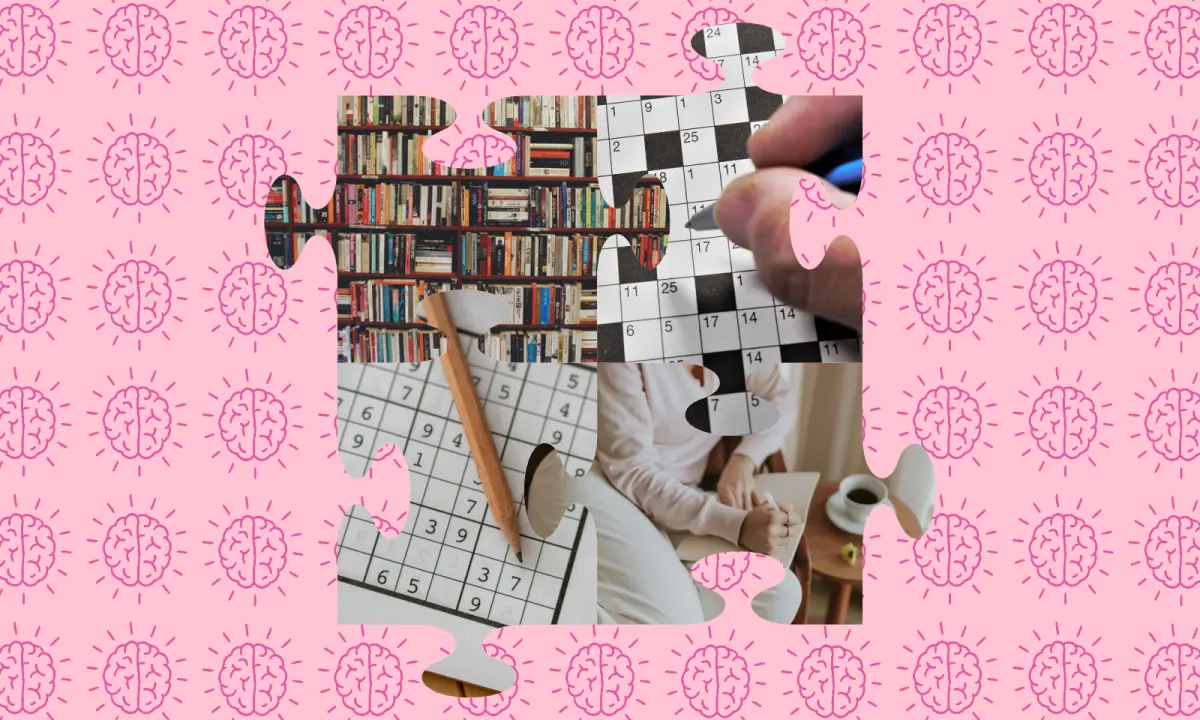
Content creator Jaye Rockett, 32, told Dazed the method cut her daily screen time from a peak of 14 hours to seven. “When your attention starts to wander, you can switch to the next task,” she said. The Conversation noted that what we call multitasking is usually rapid switching that depletes shared cognitive resources; brain stacking simply structures the switching so each activity gets a protected window without digital interruption.
Where the evidence thins out
Claims that the routine “resets the brain” or broadly improves memory, focus and productivity lack empirical support. The Conversation highlighted a critical distinction from brain-training literature: getting better at a practiced task — say, Sudoku — does not necessarily transfer to improved thinking or remembering in daily life.
Baglietto echoed the point to Dazed: psychologists see no “confident link” between the specific stacking protocol and enhanced cognitive function. “If giving them a new name encourages people to try them, fair enough. But that doesn’t mean doing them in a particular order is a proven way to improve concentration or literacy,” Baglietto said.
Pottenger offered a softer defense to VICE, arguing that “effortful thinking and challenges appears to buy your brain resilience and cognitive flexibility,” which may slow cognitive decline. But he conceded the practice is “more of a positive habit than an actual science-backed productivity tool.”

The consumerism trap
Both DAWN and Her Campus flagged a parallel economy rising around the trend. Creators display mint-condition puzzle books, special-edition novels and ornate journals. “If we’re buying multiple books, pens, and markers to satisfy a six-step brain stacking routine… money can become a worrying factor,” the Her Campus student writer observed.
DAWN warned followers may feel pressured to replicate the aesthetic, turning a low-cost intervention into a shopping list. The outlet suggested using existing notebooks, library books and newspaper puzzles instead.
Baglietto’s concern runs deeper: “Someone who already feels unproductive now has a checklist for their downtime.” The risk is converting leisure into another performance metric — “homework,” as The Conversation put it — complete with guilt for breaking the chain.

What actually helps
The consensus across outlets is modest but practical. Uninterrupted time on a single enjoyable activity produces flow states and mood benefits documented in leisure research, The Conversation noted. Agency — choosing the activity yourself — matters more than the sequence. Pottenger’s five-minute floor and Rockett’s halved screen time suggest the lowest-friction version works best.
Mandy Rulez told Dazed she intends to keep promoting the practice: “These are lifelong hobbies that bring me joy, remove screen time from the equation and encourage support of your local library. A trend that, at its core, has no real downsides.”
Provided you don’t lose sleep or money over it, or force yourself into activities you don’t enjoy.
Related reading

Trump, Xi, Putin Issue Joint Peace Declaration After APEC Sidelines Talks
President Donald Trump, Chinese leader Xi Jinping, and Russian President Vladimir Putin concluded an unprecedented three-way summit in...

Ukrainian Australians Disappointed as Albanese Appears With Lavrov in Manila
Ukrainian Australians expressed deep disappointment after Australian Prime Minister Anthony Albanese appeared alongside Sergei Lavrov during a traditional...

Democrat Eileen Laubacher Defeats Lauren Boebert in Colorado House Race
Democrat Eileen Laubacher defeated Republican Rep. Lauren Boebert in Colorado’s 4th Congressional District on Friday, ending the conservative...

Tallinn Panellists Call for Greater Trust in European Showrunners – Cineuropa
Europe’s reluctance to grant writers creative control risks stripping its series of distinctive voices, speakers warned at the...