
President Donald Trump, Chinese leader Xi Jinping, and Russian President Vladimir Putin concluded an unprecedented three-way summit in Shenzhen on Thursday, issuing a joint declaration on peace after more than an hour of talks on the sidelines of the Asia-Pacific Economic Cooperation (APEC) summit.
The meeting, which brought together the heads of the world’s three largest nuclear powers, centered on the urgent need to manage nuclear risks and address regional conflicts, though officials acknowledged that major diplomatic breakthroughs remained elusive.
The leaders gathered in a villa nestled among wooded hills to discuss a range of global security issues, including the war in Ukraine and the conflict in Iran.
While the meeting was framed by Trump as a historic opportunity to engage with his counterparts, the discussions highlighted the complex and often strained relationships between the three nations.
“We are really making history,” Trump said during opening remarks. “The three of us have a great deal to discuss.”
The Nuclear Nonproliferation Challenge
Central to the agenda was a proposed nuclear nonproliferation pact, an initiative pushed by the Trump administration to address concerns over the world’s largest nuclear arsenals. Trump was candid about the inherent difficulties of such an agreement, noting the reluctance of nuclear-armed nations to surrender their stockpiles.
“Once you have the nuclear weapons, it’s very hard to not have them,” Trump said.
“It’s the way life works.”
While the joint statement affirmed that a nuclear war cannot be won and must never be fought, China has historically shown little interest in a formal nuclear pact, as its arsenal is significantly smaller than those of the United States and Russia. During the talks, Xi argued that healthy interactions between major countries are not optional but a requirement for global stability.
Xi Greets Trump with Hug on Tarmac
The summit was marked by high-profile pageantry, including a rare in-person greeting on the tarmac where Xi offered Trump a hug, a gesture that departed from standard Chinese diplomatic protocol. This display of personal diplomacy followed months of efforts by Trump to cultivate deeper ties with both Xi and Putin, hoping that improved personal relationships might eventually translate into more manageable geopolitics.
Trilateral Meeting Dynamics
| Engagement | Duration |
|---|---|
| Trump-Putin bilateral | Approx. 40 minutes |
| Trump-Xi bilateral | More than an hour |
| Trilateral meeting | More than an hour |
The trilateral session followed separate bilateral meetings held earlier in the day. During his discussion with Xi, Trump said that the two sides had found a balance in what he described as a fair trade relationship. The leaders also discussed the flow of oil through the Strait of Hormuz, an issue of significant concern given the ongoing conflict in Iran.
The move triggered a transformation that saw its population swell to 18.2 million by 2025, making it the country’s third-largest city by urban population.
Now a premier global metropolis with a GDP surpassing Hong Kong and Singapore, Shenzhen ranks as the world’s fourth-busiest container port and a top-tier technology hub housing firms such as Huawei and Tencent. Its selection for a summit of the three largest nuclear powers underscores its evolution from a fishing village into a central node of international diplomacy and finance.
Sovereignty and International Bodies
The joint declaration issued after the meetings contained specific language regarding the role of international organizations. The three leaders concurred that the International Criminal Court and similar bodies must not abuse their jurisdiction. They committed to reform of the United Nations to better respond to global challenges and uphold its fundamental mission of maintaining international peace and security.
For Xi, the summit served as a strategic success, allowing him to position China as an international convener and a powerbroker on the world stage ahead of a key Communist Party conclave next year.
Meanwhile, the domestic political context for the U.S. remains strained, with Trump facing pressure from midterm election losses and a campaign pledge regarding the Ukraine war that remains 667 days overdue.
The summit concluded without the announcement of a formal treaty or major policy shift, leaving questions about the long-term effectiveness of the dialogue. Whether these personal engagements will lead to concrete changes in nuclear policy or de-escalation in ongoing regional wars remains unknown.

More on Donald Trump
This evening, I met with President Trump in Shenzhen. We discussed the work underway to reach a mutually beneficial trade agreement that would create good jobs, boost affordability, and fully respect Canada’s languages, culture, and sovereignty. We agreed to continue the work… pic.twitter.com/sZxXHVEIM2
Putin left Trump meeting in ‘excellent mood’ Putin’s foreign policy adviser said the Russian president and his US counterpart Donald Trump met for “35 to 45 minutes” ahead of their meeting with Chinese leader Xi Jinping, @maxseddon writes. Russia’s invasion of Ukraine was the…
President Donald J. Trump Addresses Historic Trilateral Meeting with Chinese President Xi and Russian President Putin. "We have a special responsibility to maintain open, respectful, & productive dialogue on issues impacting not just our people, but the entire planet." – @POTUS pic.twitter.com/6dLHVlAl1a
By meeting Donald Trump and Xi Jinping, Vladimir Putin is sending a holiday postcard to the rest of the world. But instead of ‘Wish you were here’, he’s signed it ‘Look: I’m here.’ My report from Shenzhen. https://t.co/K3SfGT57fN
President Trump's trilateral summit with Chinese President Xi Jinping and Russian President Vladimir Putin has the makings of an unpredictable spectacle – and that's exactly what has U. S. allies anxious. My story on @axios https://t.co/sDYY70NwCg
- Brain Stacking Replaces Doomscrolling With Analog Hobbies, But Experts Say Cognitive Benefits Are Oversold
- Ukrainian Australians Disappointed as Albanese Appears With Lavrov in Manila
- Trump, Xi, Putin Hold First Trilateral Talks at APEC Summit (world-today-news.com)
- Trump's Beef Quota Filled About 37% in Month One; Ground Beef Fell 13 Cents (daybreakwire.com)

Brain Stacking Replaces Doomscrolling With Analog Hobbies, But Experts Say Cognitive Benefits Are Oversold
“You’re allowed to enjoy a crossword puzzle without making it a treatment plan,” said Amy Baglietto, a psychotherapist...

Ukrainian Australians Disappointed as Albanese Appears With Lavrov in Manila
Ukrainian Australians expressed deep disappointment after Australian Prime Minister Anthony Albanese appeared alongside Sergei Lavrov during a traditional...
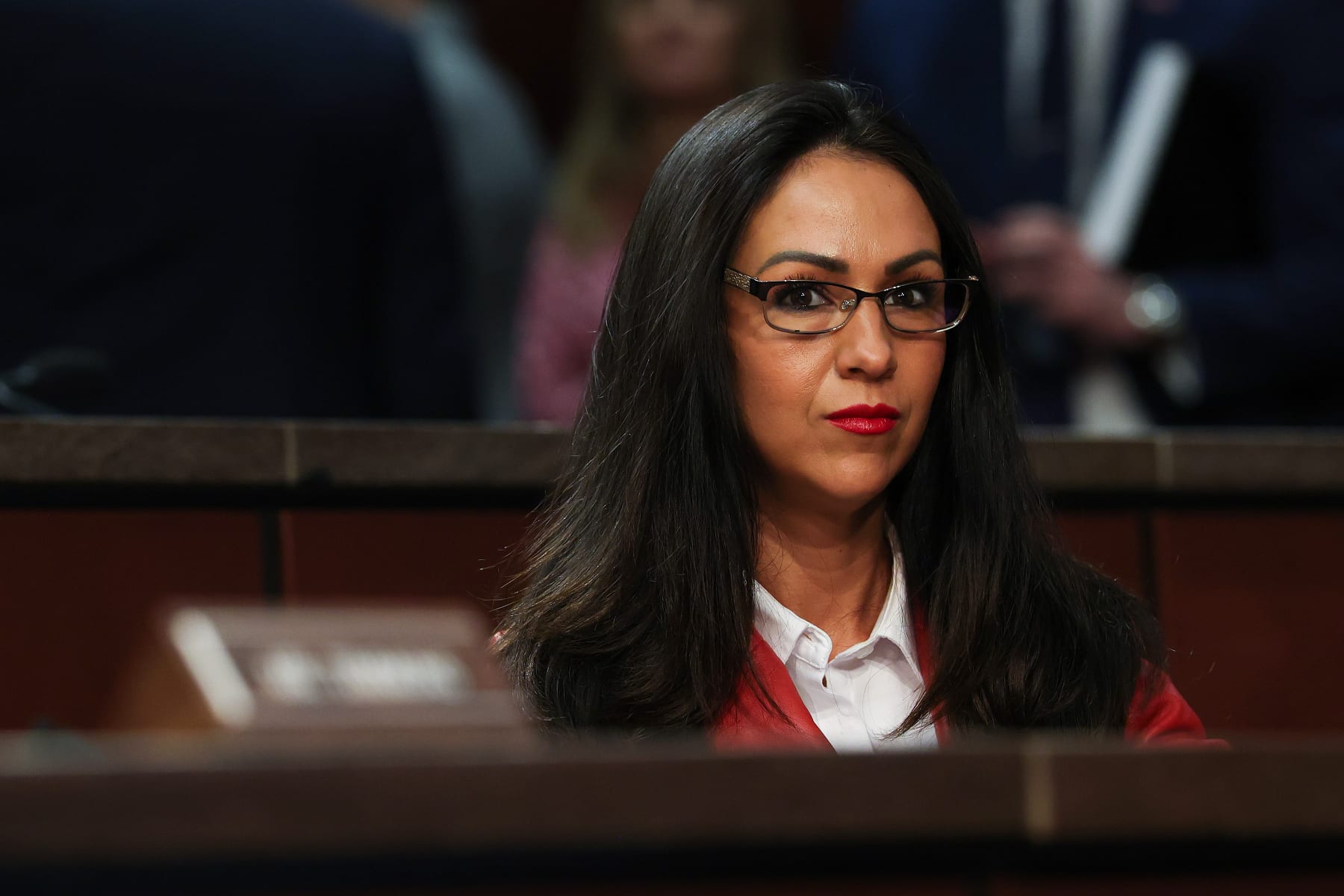
Democrat Eileen Laubacher Defeats Lauren Boebert in Colorado House Race
Democrat Eileen Laubacher defeated Republican Rep. Lauren Boebert in Colorado’s 4th Congressional District on Friday, ending the conservative...

Tallinn Panellists Call for Greater Trust in European Showrunners – Cineuropa
Europe’s reluctance to grant writers creative control risks stripping its series of distinctive voices, speakers warned at the...