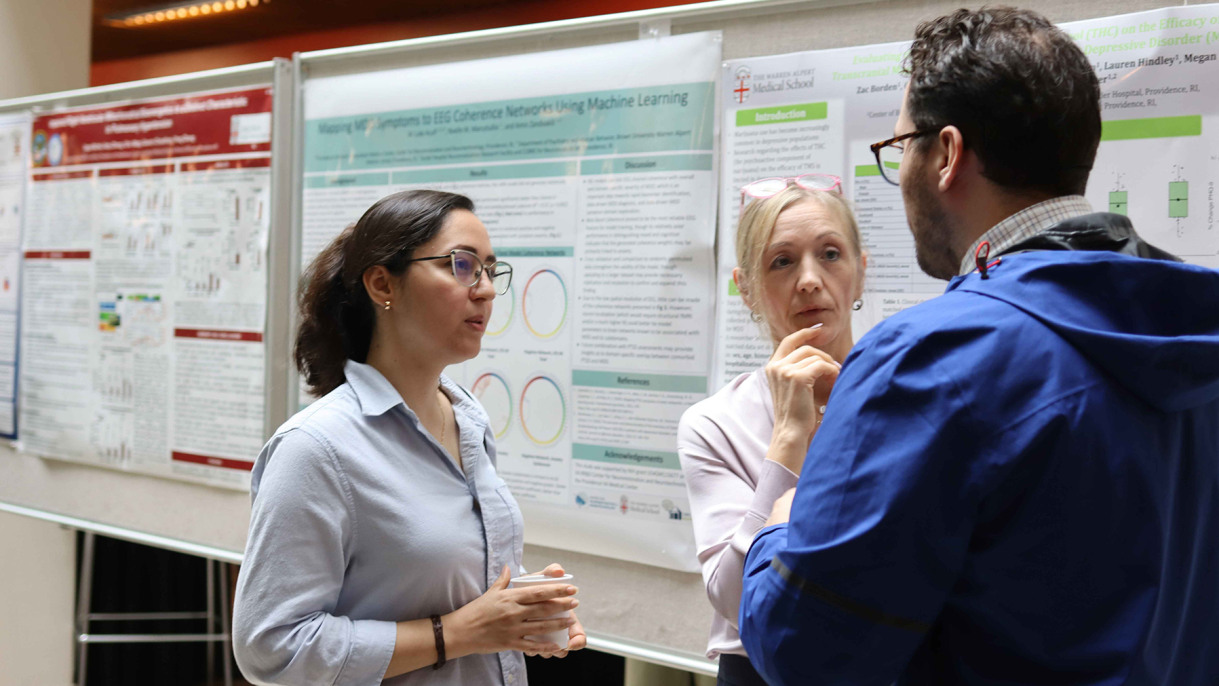
Advance RI-CTR secures $26 million for biomedical research
A federal grant of $26 million will fund the next five years of clinical and translational research in Rhode Island, according to a report from Brown University.
The funding supports the Advance Rhode Island Clinical and Translational Research (Advance-RI CTR) program, a collaborative initiative designed to move laboratory discoveries into real-world medical applications. This latest injection of capital follows a decade of sustained investment from the National Institutes of Health (NIH) into the state’s scientific infrastructure.
The program functions as a bridge between basic science and patient care. By providing education, training, and direct funding, the partnership helps researchers transition from theoretical models to clinical settings where their work can impact public health.
Decade of research investment
The current $26 million award, granted in September 2026, marks the third major phase of federal support for the initiative. The program’s history of NIH funding shows a steady upward trajectory in scale and scope.
| Grant Period | Funding Amount |
|---|---|
| 2016 | $19.5 million |
| 2021 | $19.9 million |
Since its inception in 2016, Advance-RI CTR has invested in 145 researchers across its five partner institutions. These partners include Brown University, Brown University Health, Care New England, the University of Rhode Island, and the V.A. Providence Healthcare System.
The economic impact of these grants extends beyond the immediate research projects. Dr. Sharon Rounds, associate dean for translational science at Brown and the program’s principal investigator for the last five years, said the investment drives secondary funding into the region.
“It represents new discoveries, expanded research programs and investigators who gain the resources to pursue questions that might otherwise go unanswered,” Rounds said.
Data from the program suggests a high multiplier effect for every dollar spent. For every $1 provided through grants such as Pilot Project Awards, investigators have subsequently secured $13 in additional funding. Over the last 10 years, this has resulted in $139 million in additional research funding across the partner institutions.
From the lab to the clinic
The practical utility of the program is illustrated by the work of molecular biologist Chat Jayasuriya. An associate professor of orthopaedics at Rhode Island Hospital and the Warren Alpert Medical School of Brown University, Jayasuriya has successfully translated laboratory research into a therapeutic currently undergoing safety testing through a biomedical startup he co-founded.
Jayasuriya credited the program’s support system for the successful transition of his research into a commercialized medical development.
“I don’t think we would be where we are without Advance RI-CTR,” Jayasuriya said.
The ability to move from a benchtop discovery to a startup-led clinical trial is a central goal of the translational model. Without such intermediate funding, many promising biological discoveries often stall in the academic phase, unable to secure the massive capital required for human safety trials.
Dr. Rounds characterized these federal allocations as long-term economic and scientific assets, stating that the investments will continue to pay dividends for decades to come.
The program's expansion will provide researchers with the resources necessary to address complex health questions that lack immediate commercial viability but hold clinical promise.
Related reading

Social Security Benefit Cuts Loom in 2032 as Trust Fund Depletion Approaches
The federal safety net supporting millions of Americans is facing a structural reckoning that will hit retirement income...
Gov. Morrisey Partners With Universities to Direct Opioid Settlement Funds
Governor Patrick Morrisey announced new strategic partnerships with six universities to manage and maximize the impact of West...

Pinole to Rehabilitate West Soccer Field With $107,000 League Funding
“When it rains, it gets really muddy and there’s puddles,” said Megan Tamayo, a 10th grader who has...

Vermont Records Lowest Foreclosure Rate in the Nation
Vermont foreclosure rates hit record lows Vermont recorded the lowest foreclosure rate in the United States this August,...