
Between 2021 and 2025, tourism and ecosystem services at Mount Rinjani National Park generated an economic turnover of Rp443 billion (approximately US$24.37 million) for surrounding communities. This surge in local wealth is driven by a powerful economic multiplier effect, where every single rupiah spent by a visitor translates into 3.7 times that value in local economic circulation, according to data shared by the Mount Rinjani National Park Office (BTNGR).
This isn’t just about ticket sales or entrance fees. The real story here is how a single volcanic destination on Lombok Island in West Nusa Tenggara (NTB) Province is functioning as a regional economic engine. When a hiker pays for a guide, that money doesn’t just stay with the guide; it flows into local lodging, transportation, food services, and the specialized porter and trekking sectors that sustain the mountain’s periphery.
A 3.7x Multiplier for Local Livelihoods
During a working visit by delegates from the Ministry of National Development Planning (Bappenas) on Wednesday, Budhy Kurniawan, Head of the BTNGR, explained that this multiplier ratio is the key to understanding the park’s civic impact. By converting nature tourism into a structured economic system, the park has created a wide-ranging benefit for local livelihoods while simultaneously building a foundation for sustainable conservation funding, ANTARA News reported.
Porters and trekking guides, who provide the essential labor for the ascent, are the primary beneficiaries of this circulation. Without this multiplier, the economic benefit would be confined to the park’s administrative coffers; instead, it is being distributed across the village economies of the NTB Province.
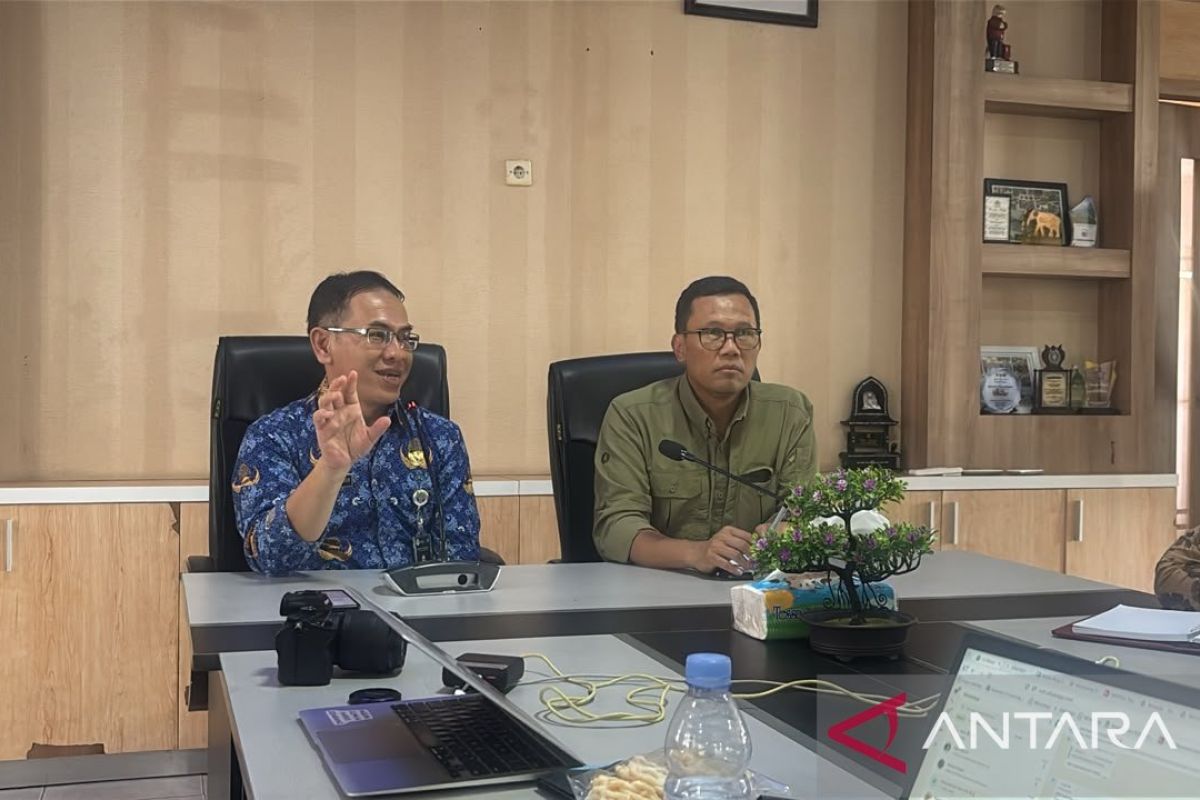
“This significant multiplier effect demonstrates that Mount Rinjani delivers wide-ranging benefits for local livelihoods and the regional economy, while simultaneously establishing a crucial foundation for sustainable conservation funding,” said Budhy Kurniawan.
State Revenue Hits All-Time Highs
While the community sees the direct benefits, the Indonesian state has seen a massive spike in non-tax state revenue (PNBP). Between 2021 and September 2026, the park contributed Rp96.9 billion (US$5.33 million) to the national treasury. The trajectory of this growth is steep, moving from a modest start to what Kurniawan describes as an all-time high.
The growth in state receipts reflects changes in nature tourism management and sustained demand from domestic and international travelers.
| Year | Revenue (IDR) | Revenue (USD) |
|---|---|---|
| 2021 | Rp577.5 million | $31,776 |
| 2022 | Rp4.9 billion | $269,615 |
| 2023 | Rp14.7 billion | $808,847 |
| 2024 | Rp22.5 billion | $1.24 million |
| 2025 | Rp25.9 billion | $1.42 million |
| 2026 (thru Sept) | Rp28.3 billion | $1.56 million |
The Tension Between Profit and Preservation
The very “ecosystem services” that generate the Rp443 billion in turnover are finite. If visitor interest continues to grow as seen through 2026, the park faces the dilemma of maximizing economic circulation for local communities while establishing a foundation for sustainable conservation funding.
This is why Bappenas has urged cross-sector synergy for ecotourism.
By integrating safety boosts and recovery events like the Rinjani Color Run, the state is attempting to diversify the way the mountain is used, spreading the economic impact across different types of visitors and seasons.
As of September 2026, the financial records show a destination that has successfully transitioned from a scenic landmark to a powerhouse of regional development. The question remaining for the NTB Province is whether the conservation funding mentioned by Kurniawan can keep pace with the sheer volume of the growth.
Worth a look
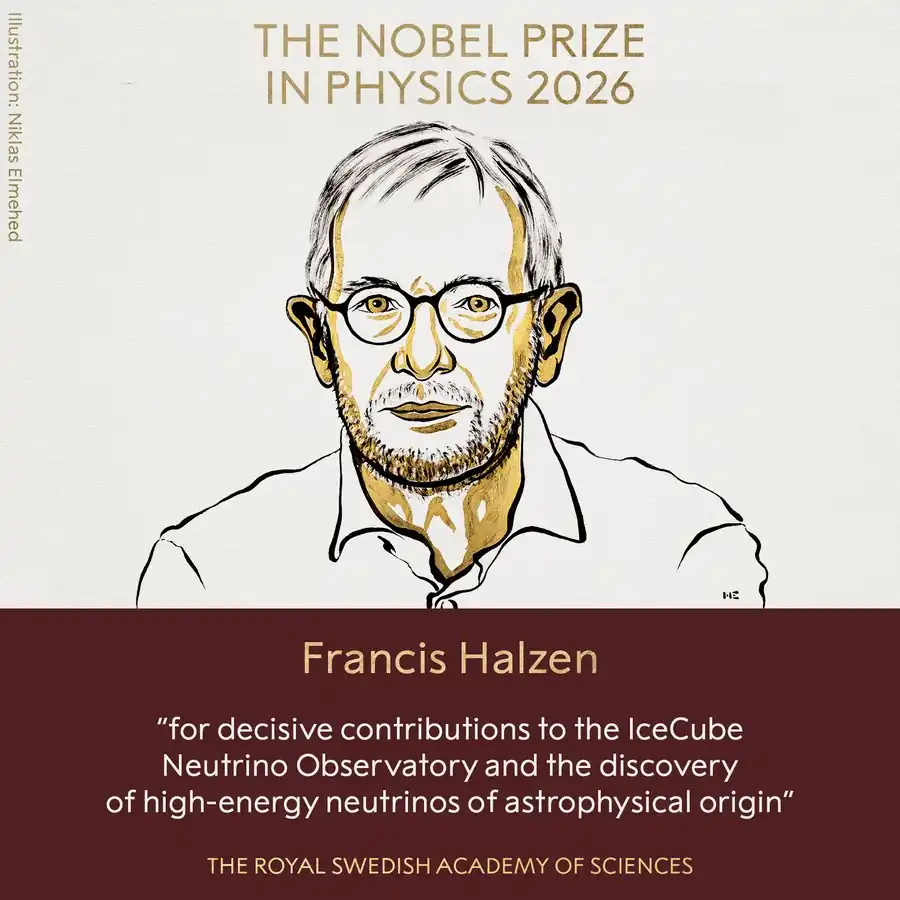
Francis Halzen Wins 2026 Nobel Prize for IceCube Neutrino Work
Francis Halzen, a professor at the University of Wisconsin–Madison, was awarded the 2026 Nobel Prize in Physics for...

Levetiracetam in Dogs: Crushing vs. Splitting ER Tablets
Crushing extended-release levetiracetam tablets in dogs alters how the drug enters the bloodstream, causing it to produce a...

Fetal Brain Purges Mutation-Riddled Neurons Before Birth
More than one-quarter of neurons in the developing human fetal brain carry significant genetic abnormalities, but the vast...

Dublin Man’s Death by Misadventure: Jury Calls for Garda Restraint Training
A Dublin inquest jury has called for changes to how Irish police handle individuals in states of extreme...