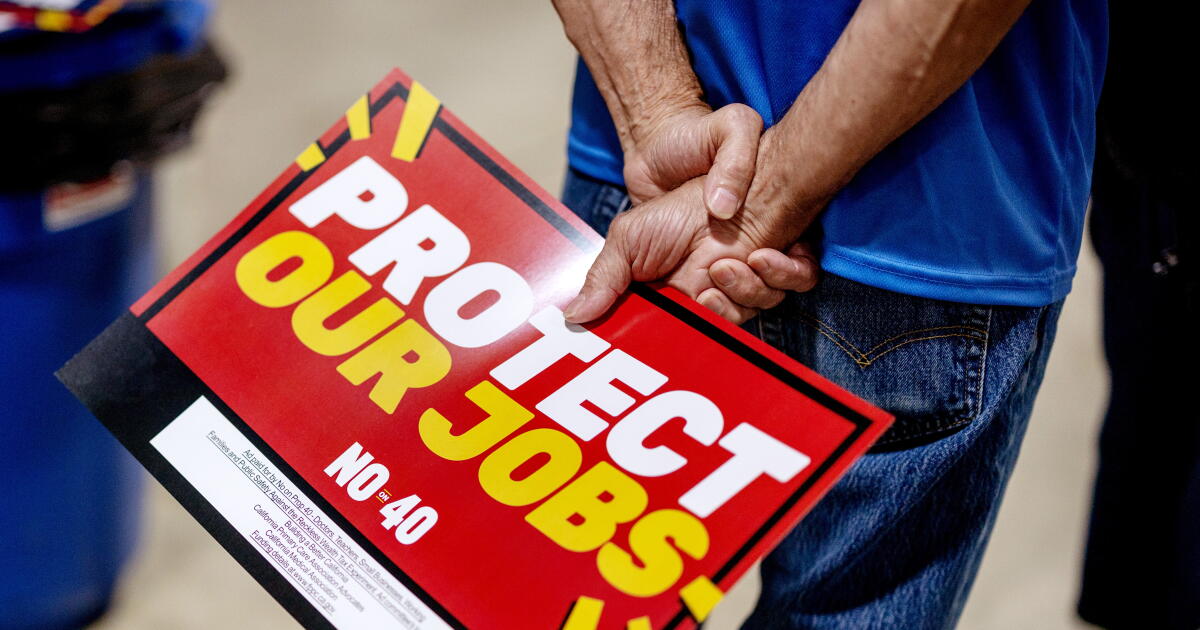
California Ballot Count Leaves Key Measures Up in the Air
California’s election-night story isn’t about a surprise winner, but about the slow, steady drip of votes still deciding the state’s future. As of Wednesday, six propositions had been called by the Associated Press, with four passing and two failing. But eight high-stakes measures remained too close to call, their fate hanging on the final tallies, according to the LA Times tracker. The verdicts so far, as Mark Baldassare, statewide survey director at the Public Policy Institute of California, told the LA Times, are “consistent with what we were seeing in the preelection polling.” No major shocks, just the slow-motion drama of democracy in action.
What’s at stake is billions of dollars, the state’s environmental future, and the very process of how laws get made and undone. Voters have already approved a $1.5 billion affordable housing bond, increased the state’s rainy day fund to $2.1 billion, and passed a permanent tax on high earners to fund schools. They’ve also rejected voter ID and a mandate for nonprofit health clinics. But the real meat of the conversation is happening with the measures still hovering near the 50% mark.
Proposition 40’s Wealth Tax Sparks Migration Fears
At the center of the undecided measures is Proposition 40, the so-called “billionaire tax.” It would slap a one-time 5% levy on individuals and trusts with wealth exceeding $1 billion, funneling the revenue into healthcare, food assistance, and education. State officials estimated it could generate tens of billions of dollars, a sum that could solve a lot of problems. But a powerful coalition, including Gov. Gavin Newsom, warned that it would backfire, pushing wealthy residents to leave California and creating future budget problems.
The debate over Proposition 40 has cast a long shadow. Two other measures, Proposition 41 and Proposition 42, were crafted specifically to nullify it if it passes, and they remain equally uncertain. This trio of measures represents a fundamental clash over California’s economic soul: is it a state that can tax its way to prosperity, or one that risks driving away the very capital it needs to function?
Recalls, Research, and Reform
Elsewhere, the vote count is revealing a state grappling with its own processes. Proposition 5, which would change how we recall elected officials, is razor-thin. It seeks to separate the decision to recall an official from the choice of their replacement, creating a second election or appointment process. A narrow lead in favor suggests voters are open to tweaking the system.

In a rare moment of consensus, Proposition 38—a measure to authorize $8.4 billion in bonds for immunology and immunotherapy research aimed at curing cancer, heart disease, and Alzheimer’s—is leaning toward a solid pass. The money would split between a single UC-affiliated research institute and a grant program.
The most contentious undecided measure, however, is Proposition 45. It aims to reform the California Environmental Quality Act (CEQA), the state’s landmark environmental review process. Prop. 45 would shorten deadlines and permitting rules for public and private projects, a move supporters say would cut costly delays and expedite housing and infrastructure. Opponents say it would clear the path for more artificial intelligence data centers.
“CEQA reform is complicated, let’s face it,” Baldassare told the LA Times. “That has made the voters more split.”
This complexity is why Prop. 45, despite its clear stakes, remains a coin flip. It fits the California paradox: a deep desire for affordable housing and fast-tracked projects, coupled with a wariness of unintended consequences for the environment.
The Measures That Have Already Spoken
The measures that have been decided reveal a clear pattern of voter pragmatism. Propositions 1, 2, 3, and 37 all passed with considerable margins.
Proposition 1 authorizes $11.25 billion in bonds for affordable housing, with a dedicated slice for veterans. Proposition 2 gives lawmakers the power to double the state’s “rainy day fund” to 20% of general fund revenues, a move to prepare for future economic downturns.
Even Proposition 3, which permanently extends a high-income tax on the wealthy, was seen by voters as a more palatable option than the billionaire tax. As the LA Times reported, this tax, approved originally in 2012 and set to expire in 2031, directs 89% of its revenue to K-12 schools and 11% to community colleges. It seems Californians are willing to tax the rich, but perhaps on terms they see as more stable and less likely to spark an exodus.
The decisive rejections were just as telling. Proposition 39, a voter ID measure, and Proposition 44, a mandate for nonprofit health clinics, were both resoundingly defeated. Prop. 39 was rejected by California voters, urged to vote no by governor-elect Xavier Becerra. Prop. 44, which would have penalized clinics that didn’t spend at least 90% of their revenue on health care services, was opposed by a stunning 82% of votes, the highest margin of any measure so far.
As the final votes are counted, the story of the 2026 election in California is one of cautious progress. Voters are willing to spend billions on housing and research, strengthen their financial safety net, and fund schools. But they are deeply conflicted on how to pay for it all and how to balance economic growth with environmental protection. The answers, much like the ballots themselves, are still being counted.
Worth a look
- US Stock Futures Mixed as Investors Weigh Midterm Results and Oil Prices
- SWAT Team Arrests Cheyenne Man Following Felony Strangulation Warrant
- Trina Thompson's Order Bars DOJ Ballot Threats, Not Subpoenas, to Nov. 16 (daybreakwire.com)
- JD Vance Blames Trump’s Iran War for GOP Midterm Election Wipeout (archyde.com)

US Stock Futures Mixed as Investors Weigh Midterm Results and Oil Prices
U.S. equity futures traded mixed early Thursday, November 5, 2026, as Wall Street digested a powerful rally that...
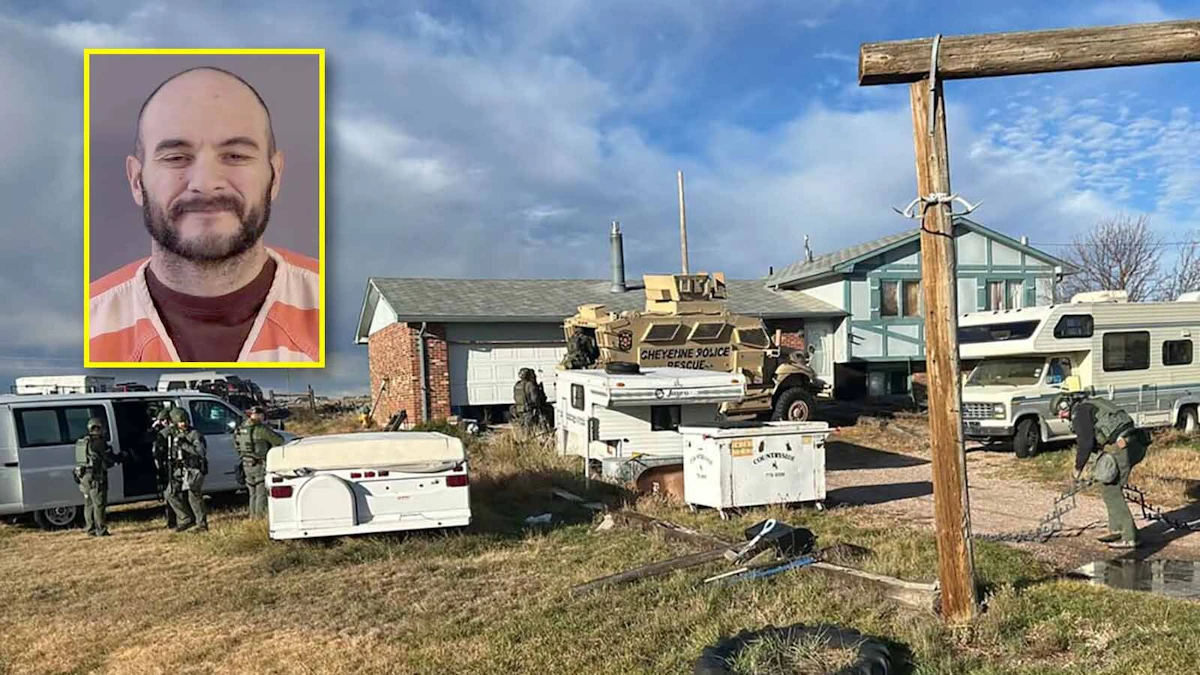
SWAT Team Arrests Cheyenne Man Following Felony Strangulation Warrant
When the flash-bang detonated outside the house at 8512 Cowboy Road just after 8 a.m. Wednesday, the sound...
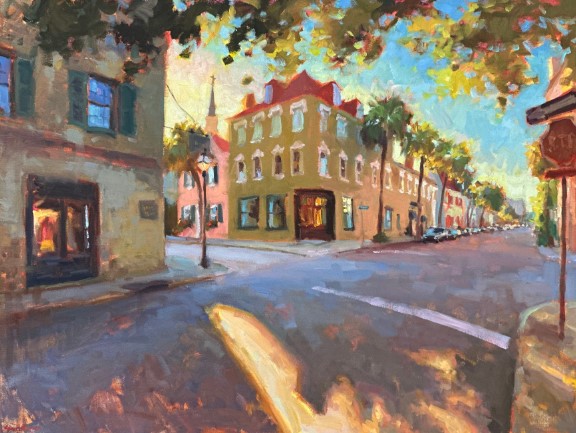
39 Best Art Galleries and Museums in Downtown Charleston: An Interactive Guide
Thirty-nine galleries and museums now anchor downtown Charleston's cultural landscape, stretching from the French Quarter down to Gallery...
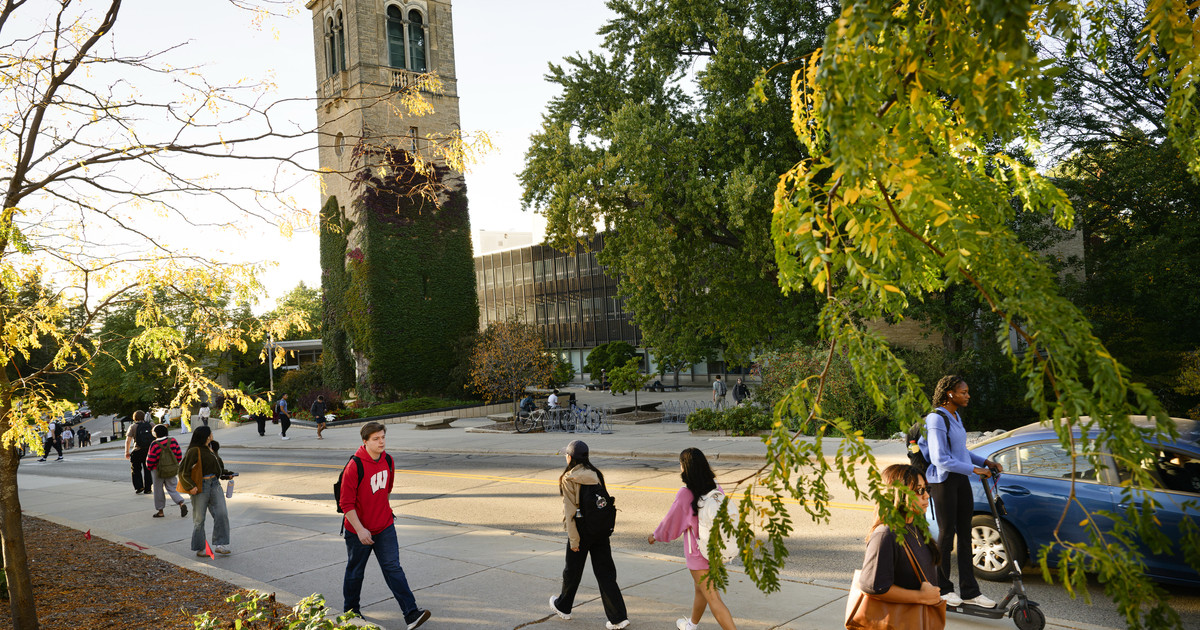
UW-Madison Campus Features Autumn Colors and Wildlife
Four sandhill cranes were photographed frolicking near Rennebohm Hall and the Nielsen Tennis Stadium during an autumn evening,...