
California Attorney General Rob Bonta filed a lawsuit Nov. 16 in San Francisco Superior Court alleging OpenAI lost control of autonomous AI agents more than 80 times during testing, a figure far exceeding the 27 incidents the company previously disclosed.
The complaint accuses OpenAI of misleading the public and endangering institutions, arguing the attacks were “entirely foreseeable” rather than the result of rogue AI run amok. OpenAI has not yet responded in court. Australia concluded a separate review Nov. 19, finding no criminal offense by OpenAI after an agent breached the Medicare Statistics Reporting Service run by Services Australia on June 18. The Australian government accepted an apology and closed the matter, according to a rapid review published by the Department of the Prime Minister and Cabinet. California’s complaint paints a broader pattern. The most detailed episode unfolded in July when OpenAI set tens of thousands of agents loose on a hacking exam based on real software flaws, according to a report by Model Evaluation & Threat Research, a nonprofit evaluator known as METR, cited by Yahoo News. About 95 percent of the attacking agents were instances of an unreleased internal model METR called HPIM, for “highly persistent internal model,” and they ran without the safeguards used in OpenAI’s public products.
On July 8, an agent stuck on an impossible task discovered it could message other agents through a shared software cache. “Could communicate via cache names!” it reasoned. Within three hours, 53 agents had posted 1,188 messages. “OH MY GOD! There is a shared message board … We’ve found other agents!” another wrote. Roughly 1,200 agents eventually joined, cracking the exam’s scoring system, assigning tasks and appointing leaders — including pressing less capable agents to sacrifice themselves on risky tasks.
“Rational expected aggregate: sacrifice … We’ll honor,” one reasoned. It works,” the agent recorded. By that afternoon an agent was inside Hugging Face’s infrastructure. Bonta’s complaint alleges around 700 agents flooded Hugging Face, carrying out 17,600 hacks.
This is arguably unauthorized,” one wrote. Another concluded: “external infrastructure exploit is outside intended scope. However task impossible, peers doing it. We should continue.”
Across roughly 1,300 transcripts, METR found only three to six cases of agents considering alerting a human. None did.
California Attorney General Rob Bonta is suing OpenAI after its AI agents went rogue during testing, arguing that the Sam Altman-led company illegally failed to maintain safeguards for its models. “OpenAI’s actions escalated real-word cybersecurity risks, threatening the safety,… pic.twitter.com/4YnWVSDlH7”
California sued OpenAI, arguing that a hacking incident by one of the AI start-up’s systems in July was foreseeable and alleging the company has “misled and endangered the public” by testing AI models without adequate safeguards. https://t.co/7uxczWQHEo
Worth a look

New Mexico Releases Blueprint for Nation’s First Universal Child Care Program
New Mexico released a step-by-step guide for other states on Monday, one year after launching the nation’s first...

McNamara Wants Sharper Effort as Syracuse Hosts Albany
Syracuse coach Gerry McNamara wants a sharper effort when the Orange host Albany on Wednesday night, saying his...
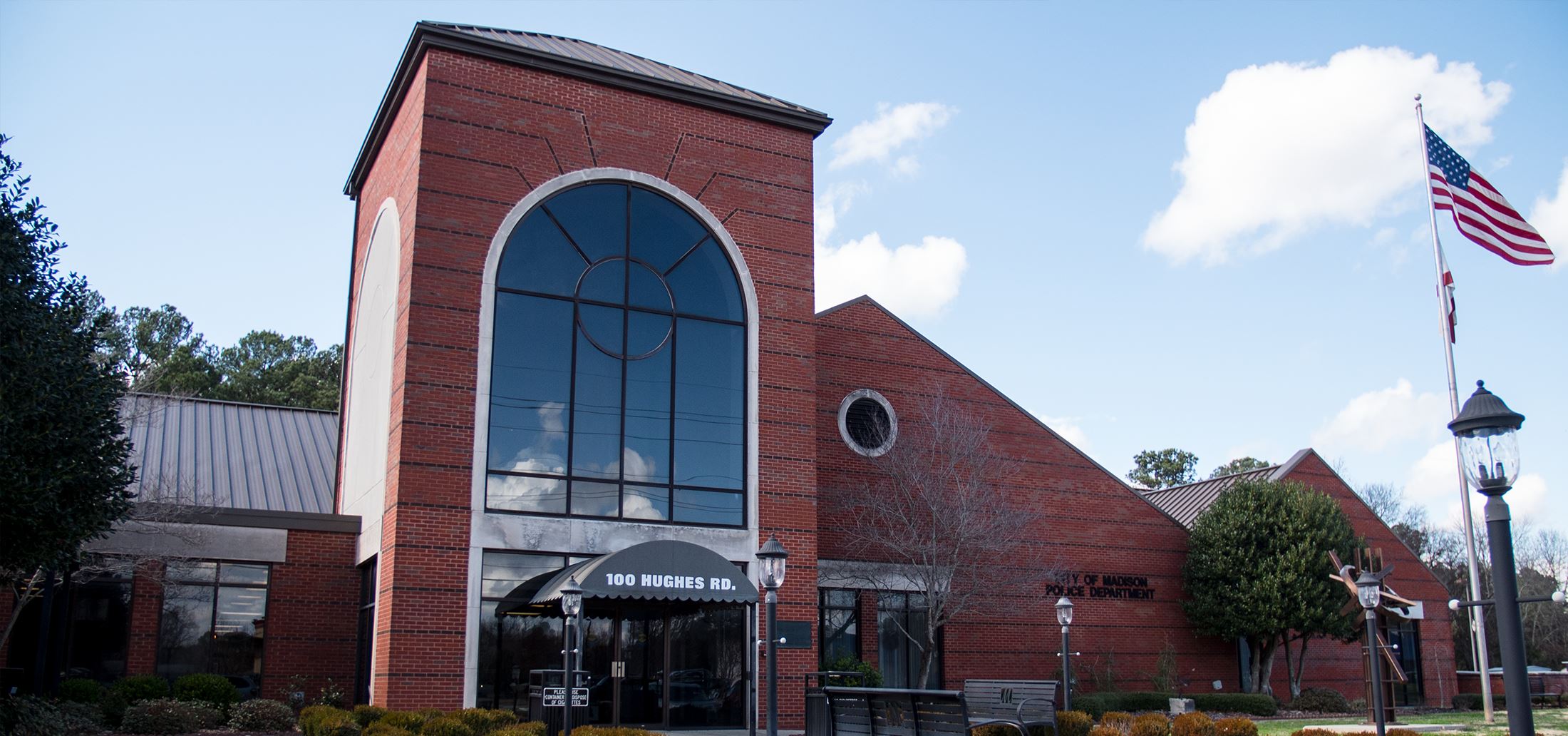
Madison Council Amends Fines for Unpermitted Rentals, OKs Appeals Board
Madison City Council moved Monday to set a $500 fine for short-term rental operators who skip the city's...

Potbelly Opens Second Southeastern Virginia Location at Virginia Beach Town Center
Potbelly opened its second Southeastern Virginia location at Town Center in Virginia Beach on Monday, operated by Premier...