“I didn’t expect to feel this good so soon,” Randie Rys told Nebraska Medicine at her first follow-up appointment around Sept. 21.
The 69-year-old became the first patient in Nebraska to receive the TOPS total posterior spine procedure on Sept. 4 at Nebraska Medical Center.
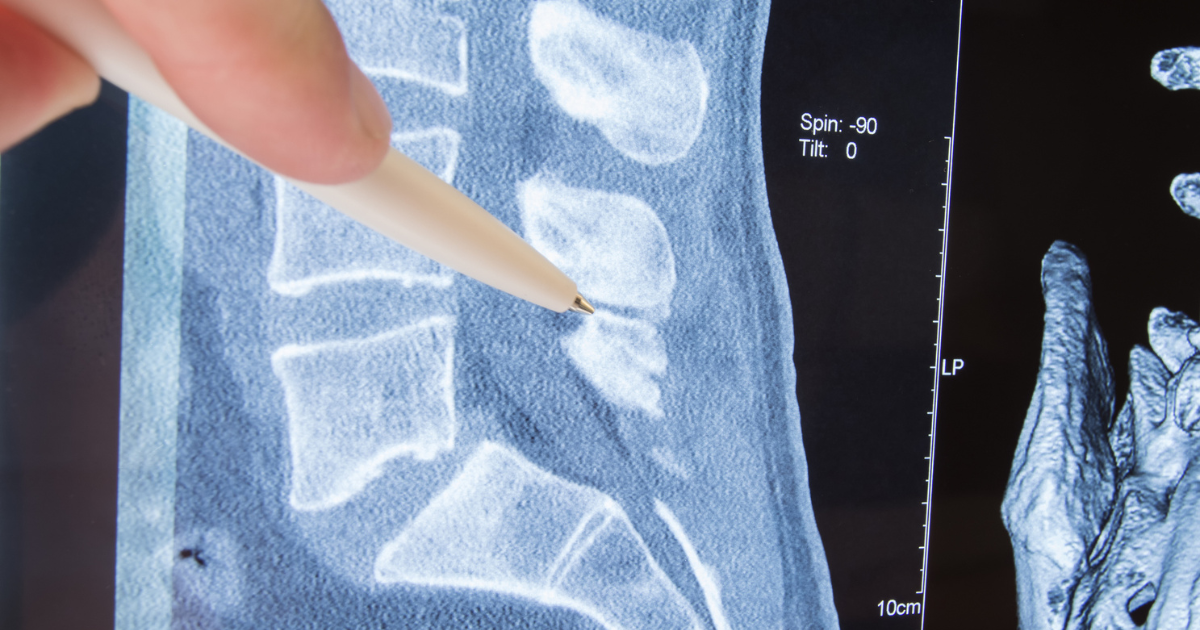
Rys had lived with lumbar spinal stenosis for nearly two years, describing her pain as a constant “10 all the time.” Multiple providers told her the vertebrae in her lower back were “bone on bone” and recommended spinal fusion.
She spent a year without relief after trying chiropractic care and other spine providers. It hurt all the time,” Rys said. “I got on the internet and started looking, and he’s the one that I liked,” she said. He was Dr. Katzir.”
When Rys met neurosurgeon Miki Katzir, MD, fusion was still the plan. Katzir offered TOPS as an alternative, explaining it would replace the joint rather than fuse the bones. “I told him that sounded better to me than spinal fusion,” Rys said. “With spinal fusion, your spine is locked, whereas now my spine’s just like it was before.”
The TOPS system removes bone pressing on nerves and implants an artificial joint between two vertebrae, preserving motion at that level. “You’re not locking up your spine,” Katzir said. “The artificial joint is designed to encourage movement that feels natural.” “It’s a very unique procedure to consider if you’re the right candidate,” Katzir said.
Rys walked with a walker the same day as surgery and went home on Sept. 8 after four days in the hospital. Her physical therapy consisted mostly of walking hospital hallways and home exercises. “Surgery went great,” Rys said. “We have physical and occupational therapy in the hospital and let you stay until you are ready to leave,” he said. “No one kicks you home the same day.”
At her follow-up, she reported feeling 80% better. “I can go up stairs, lift my legs, and go for a walk and not have to stop,” Rys said. The leg pain that accompanied her back pain has also faded.
TOPS may suit patients with moderate-to-severe lumbar spinal stenosis or grade 1 degenerative spondylolisthesis who retain movement at the affected level, lack severe disc damage or major instability, and have not improved with nonsurgical care. Fusion remains the standard when the spine is severely damaged or unstable.
Nebraska Medicine, whose main campus Nebraska Medical Center has been ranked the No. 1 hospital in Nebraska and Omaha by U.S. News & World Report every year since 2012, is specifically recognized for its neurosurgery program. The health system operates the 718-bed Nebraska Medical Center and 70 specialty clinics, serving as the independent clinical partner of the University of Nebraska Medical Center.
“Don’t get scared. Seek a second opinion,” Katzir said. “Even if you’ve been told you need fusion, we may be able to offer you this cutting-edge technology of motion preservation surgery.”

New Mexico Releases Blueprint for Nation’s First Universal Child Care Program
New Mexico released a step-by-step guide for other states on Monday, one year after launching the nation’s first...

McNamara Wants Sharper Effort as Syracuse Hosts Albany
Syracuse coach Gerry McNamara wants a sharper effort when the Orange host Albany on Wednesday night, saying his...
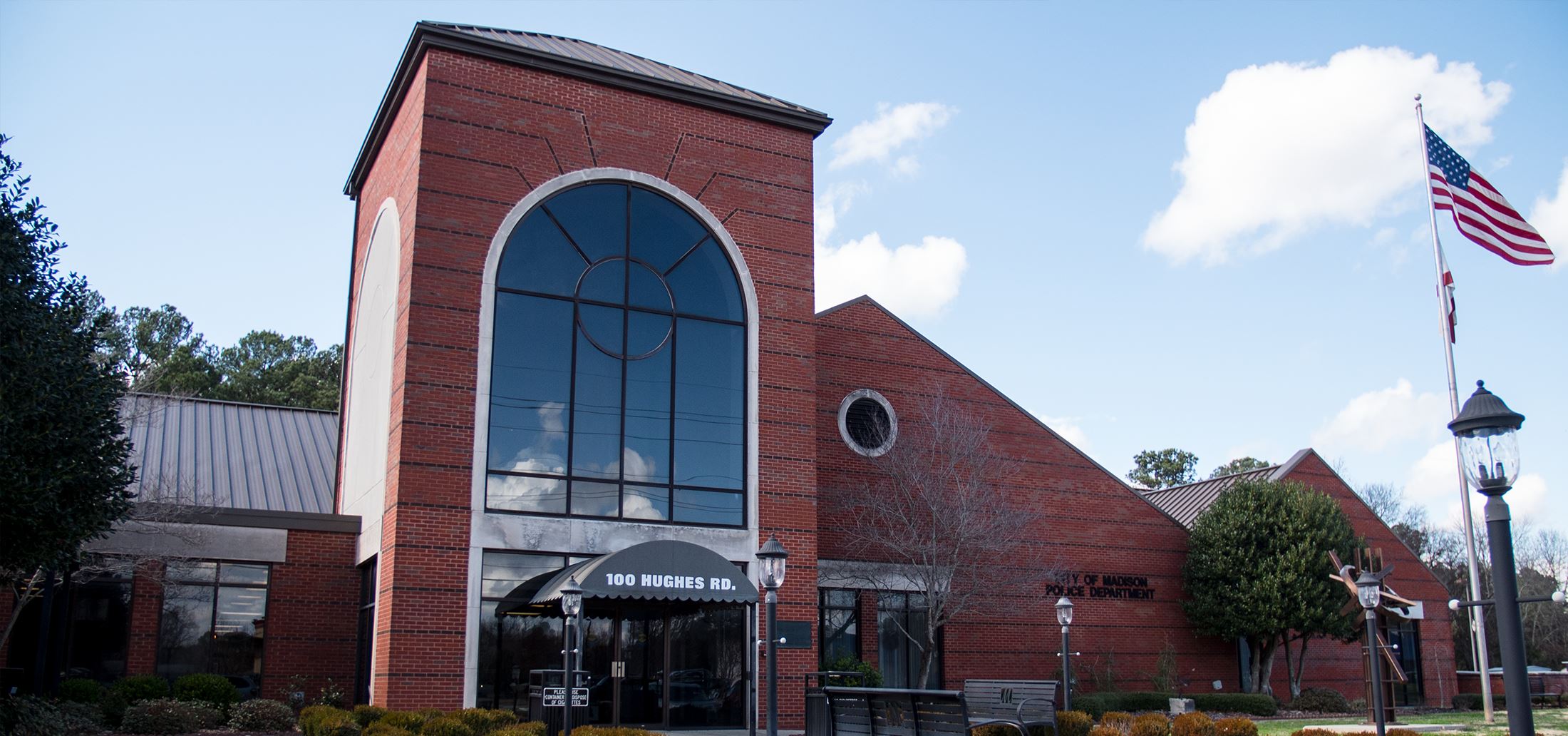
Madison Council Amends Fines for Unpermitted Rentals, OKs Appeals Board
Madison City Council moved Monday to set a $500 fine for short-term rental operators who skip the city's...

Potbelly Opens Second Southeastern Virginia Location at Virginia Beach Town Center
Potbelly opened its second Southeastern Virginia location at Town Center in Virginia Beach on Monday, operated by Premier...