
Socializing in Carson City, Nevada, requires specific conversational precision to ensure casual connections remain uncomplicated.
According to reporting from Casual Encounters Board, the primary challenge for adults seeking low-pressure companionship is the ambiguity of signals regarding intent and availability.
Misunderstandings often arise when individuals fail to distinguish between a desire for straightforward companionship and a search for deeper emotional commitment. The source notes that inconsistent conversation rhythms or resistance to discussing meeting parameters often indicate a partner whose actions do not align with their stated interest in casual encounters.
Establishing clear mutual understanding through straightforward queries can prevent awkwardness during in-person interactions. Asking about available weekday evenings, private expectations, and preferred contact frequency helps determine if two people are truly aligned before any physical meeting occurs.
Selecting low-key public locations serves as a practical buffer for initial introductions. The Casual Encounters Board suggests that quiet craft beverage patios or museum lobbies in Carson City provide balanced lighting and independent foot traffic, making an introduction feel relaxed rather than scrutinized.
Coordination involves agreeing on separate, practical public locations in advance. This allows both parties to arrive and depart independently using separate transit options, which protects sensitive residential details and ensures personal autonomy.
A partner’s willingness to meet in an open, ordinary daytime spot can indicate a level of mutual respect and practical awareness. If an individual unexpectedly pushes to move an arrangement to an isolated car or a private residence, the recommendation is to politely decline and hold firmly to the previously agreed-upon public setting.
Arranging spontaneous connections requires the establishment of unambiguous personal limits and designated hours. Practical boundaries include:
- Arriving via personal transit.
- Designating an alert contact person nearby.
- Keeping initial meetups brief.
- Explicitly reserving the right to leave if conversational comfort drops.
Attentive partners tend to respect these simple logistical limits immediately. Conversely, pushy questioning, dismissive jokes, or rapid boundary testing are identified as indicators of poor compatibility that warrant canceling plans without the need for extensive explanation.
When initial boundaries feel ignored during a conversation, tightening a schedule or returning to public settings provides necessary breathing room to reassess interest. Proceeding with an introduction only after limits are accepted allows for more grounded and confident interactions.
The expectation that casual arrangements bypass preliminary conversational clarity is a common pitfall. A “no strings attached” evening is defined as pursuing enjoyable companionship without long-term commitments, rather than an assumption that both parties share identical views on pace or transport.
Some adults prefer exchanging several candid introductory messages over a few days to gauge comfort before meeting. Directly discussing personal schedules and preferred communication paces ensures that neither participant feels unexpectedly rushed or uncomfortably delayed during the planning stages.
Transparency regarding whether a meetup is a standalone event or a recurring connection helps eliminate confusing signals about long-term romantic intentions. This includes agreeing on whether drinks occur beforehand, deciding on independent transportation, and maintaining an explicit agreement about the duration of the encounter.
In some instances, an individual may prefer unattached intimacy with zero post-meeting communication, viewing the interaction as purely transactional. Assessing this interpersonal alignment beforehand prevents pressure regarding unwanted socialization or hurried physical intimacy that contradicts original intentions.
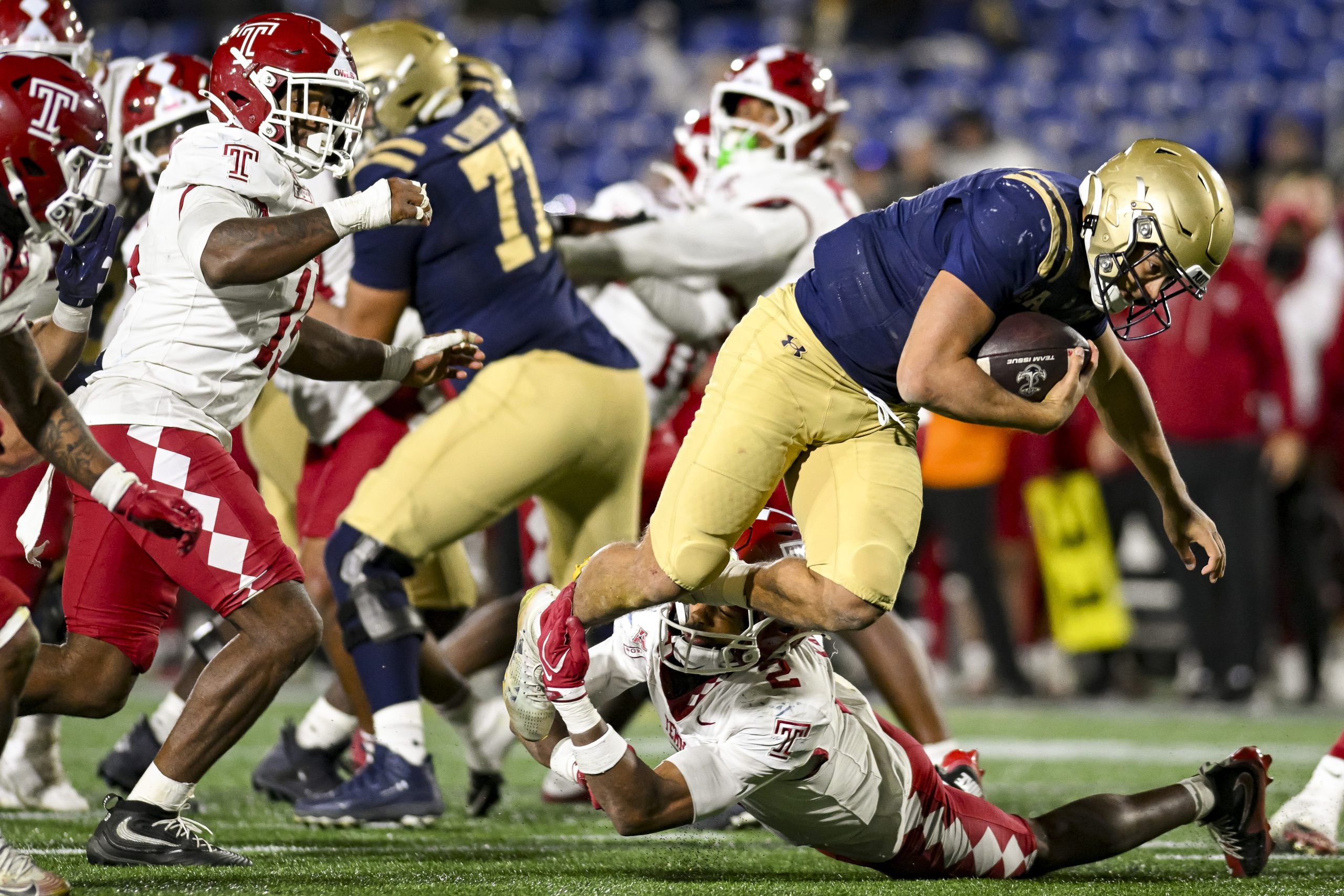
Temple Owls Lose 42-35 to Navy in Annapolis
A Lesson in Annapolis: Football, History, and the Temple Owls Driving down Route 301, the world seems to...

No. 24 Kentucky Faces No. 15 Kansas in Champions Classic Showdown
No. 24 Kentucky hits the road for the first time this season on Tuesday, facing 15th-ranked Kansas in...
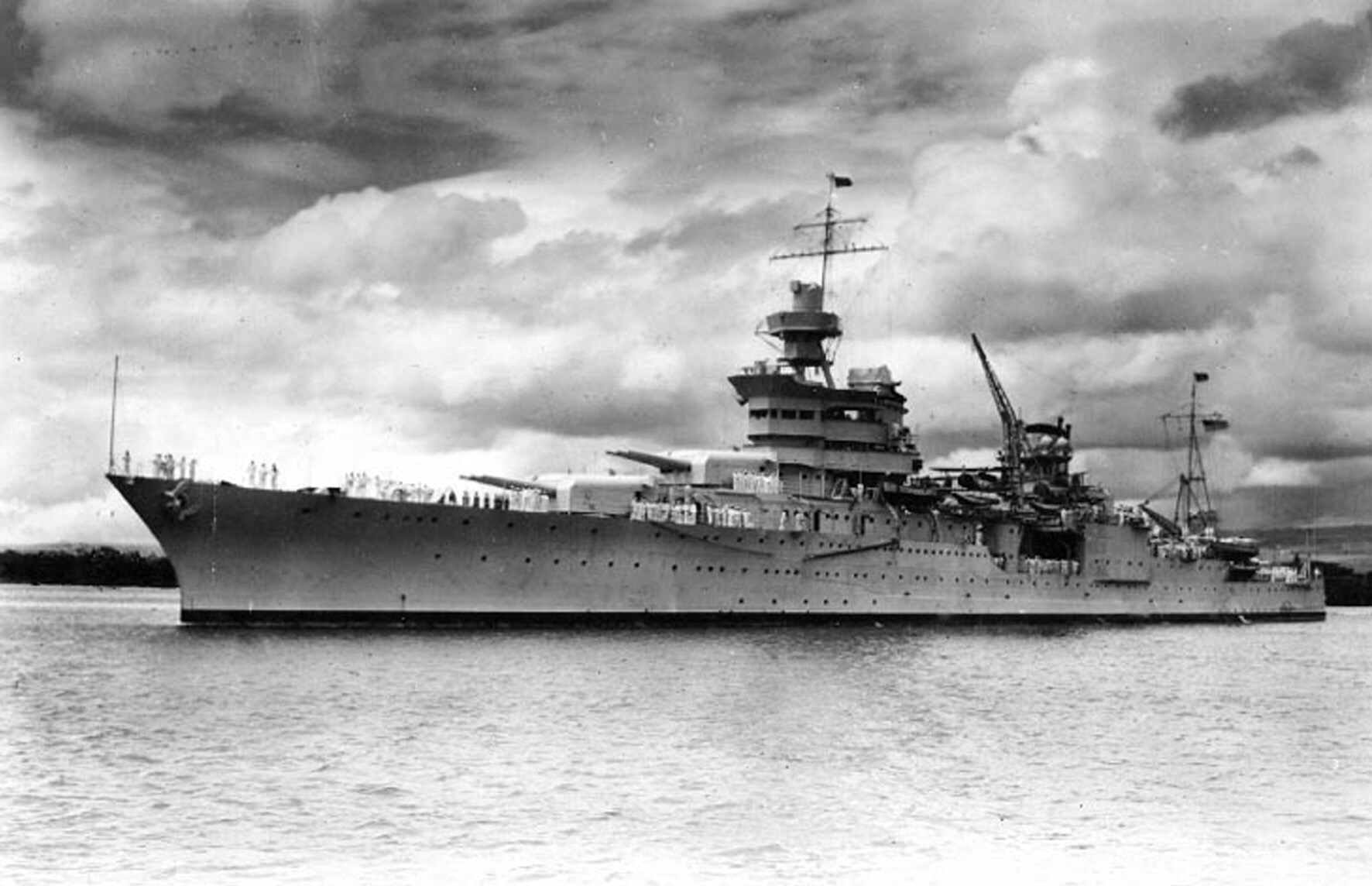
Last Eight USS Indianapolis Sailors Identified After 81 Years
Final Eight Sailors from USS Indianapolis Identified Eighty-one years after the USS Indianapolis slipped beneath the waves of...
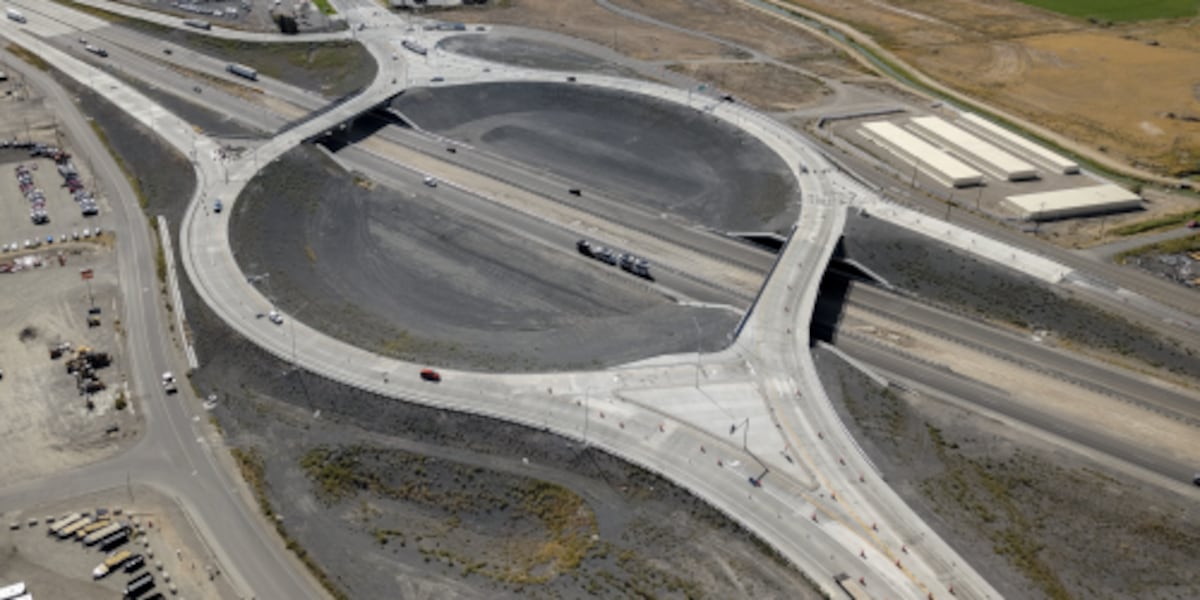
New I-84 Lanes to Open Near Twin Falls After Weekend Traffic Shifts
New I-84 lanes near Twin Falls Interchange The Idaho Transportation Department is preparing to open new lanes on...