
Raleigh Diocese refers financial investigation of Wilmington priest to law enforcement
The Catholic Diocese of Raleigh has officially referred a case involving Father John McGee, a longtime pastor at Immaculate Conception Church in Wilmington, to law enforcement following a preliminary investigation into financial irregularities. This development marks a significant escalation in a situation that first surfaced publicly earlier this autumn.

According to a statement issued by the Diocese in an email to parishioners this past Friday, the decision to involve authorities was made after a review conducted by third-party accounting and legal professionals. While the Diocese confirmed the referral, officials have provided no specific details regarding the nature of the alleged financial discrepancies, and they have declined to offer further comment while the matter remains under review by external agencies.

The referral follows the sudden departure of Father McGee from his role at the parish. On October 2, the Diocese announced that the Very Reverend John McGee, O.S.F.S., V.F., had resigned as both the pastor of Immaculate Conception Church and the Dean of the Cape Fear Deanery. Father McGee had served as the pastor of the Wilmington parish since 2008, a tenure spanning nearly two decades.
For the congregation at Immaculate Conception, the news represents a period of significant uncertainty. The transition of long-serving clergy often impacts the daily operations and administrative stability of local parishes, particularly when departures are linked to investigations of this nature. While the Diocese has initiated this process to ensure transparency and accountability, the lack of public detail regarding the allegations leaves many questions unanswered for those who attend the church.
The standard for financial transparency in religious institutions
The decision to utilize third-party auditors is a common practice for large dioceses managing the complex fiscal realities of parish-level assets. In the United States, religious organizations are generally exempt from the stringent public financial reporting requirements imposed on secular non-profits by the Internal Revenue Service. However, internal oversight structures, such as those overseen by the United States Conference of Catholic Bishops, often serve as the primary mechanism for maintaining fiscal integrity.
When financial irregularities are suspected, the move to bring in outside legal and accounting firms is intended to remove internal bias and provide an objective basis for potential criminal referrals. This process ensures that the institution is following established protocols for stewardship, though it also creates a vacuum of information for the local community until law enforcement completes its own inquiry.
As this is a developing situation, the timeline for any potential findings from law enforcement remains unclear. The Diocese of Raleigh has stated they will provide updates as new information becomes available, but for now, the parishioners of Immaculate Conception and the broader Wilmington community are left waiting for the next phase of the investigation to conclude.
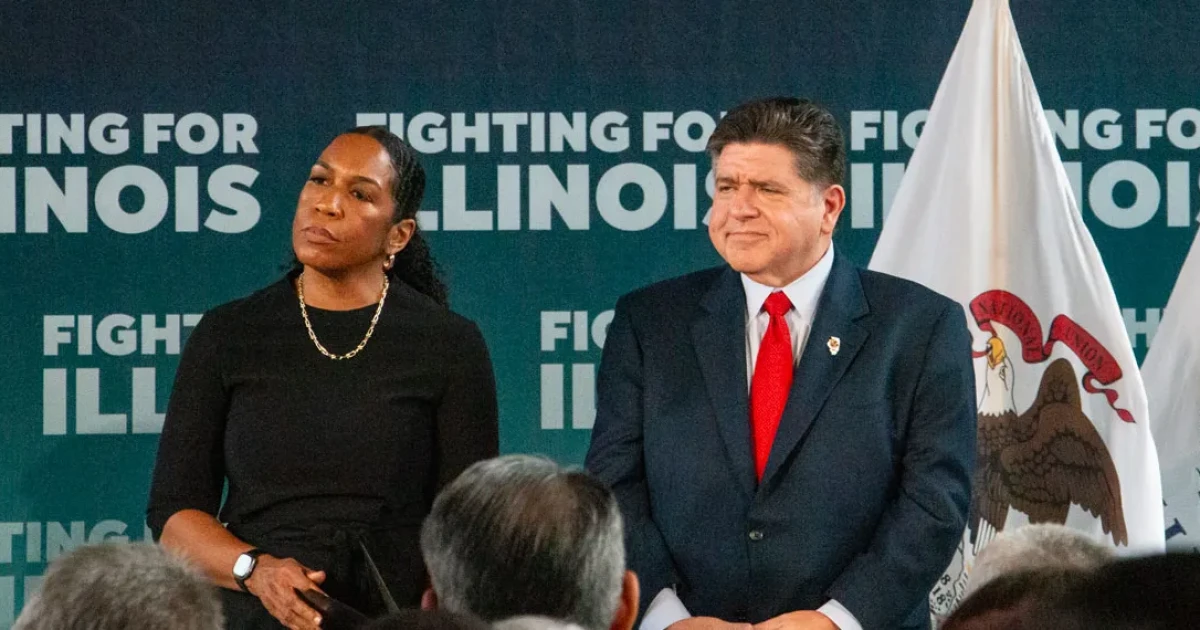
Gov. Pritzker appeals FEMA decision to deny Illinois disaster aid
Governor Pritzker Challenges FEMA Denial of Illinois Disaster Aid Governor JB Pritzker formally appealed the Trump administration’s refusal...

Boise State enters compete month with championship Aspirations
Boise State football coach Spencer Danielson has a specific name for the final stretch of the college football...

UH Mānoa to debut new theatrical production The Storyteller
Hawaiian Storytelling Takes Center Stage at University of Hawaiʻi The University of Hawaiʻi at Mānoa is set to...

Why Data Suggests Georgia Football Should Feel Confident Against Ole Miss
Georgia football fans should feel confident heading into the November 9, 2026, matchup against Ole Miss because data...