Just a week after intercepting a shipment of counterfeit watches valued at over $66 million, officers at the Port of Louisville have seized another haul of fake luxury timepieces. This latest seizure, made on October 30, stopped 591 counterfeit Audemars Piguet watches from Hong Kong that were bound for a residence in Texas. Had the watches been genuine, their combined Manufacturer’s Suggested Retail Price would have exceeded $85 million, according to U.S. Customs and Border Protection.
This isn’t just a story about fancy watches. It’s a snapshot of a problem hitting American consumers and businesses right at the border. The scale of these seizures—in just six months, Louisville CBP has intercepted five shipments of counterfeit jewelry and watches, pushing the total value of seized goods to $285 million—reveals a persistent and sophisticated global supply chain dedicated to flooding the market with fakes.
A Weekly Pattern, a Massive Problem
The timing of these two seizures is striking. The first contained 460 counterfeit Audemars Piguet watches. The second, just a week later, contained 591 watches. Both were destined for the United States, a key market for counterfeit goods. At face value, these watches are worthless, said Louisville’s Port Director Philip Onken.
The impact goes far beyond the individual buyer who gets duped. Every time a counterfeit good is purchased, a legitimate company loses revenue. This translates to lost profits and, over time, the loss of U.S. jobs. The American economy is built on innovation and intellectual property, and counterfeits directly undermine that foundation. It’s a form of theft that ripples through the entire supply chain, from the designers and manufacturers to the retailers and the workers they employ.
The Engine of Counterfeit Commerce
Counterfeits are a global problem, and the data points to a primary source. Nearly 90% of CBP’s Intellectual Property Rights seizures in Fiscal Year 2025 originated from China and Hong Kong. This doesn’t mean every product from those regions is fake, but it does highlight the scale of the illicit manufacturing and export network. The ability to produce high-quality fakes of complex goods like luxury watches requires a sophisticated and well-funded operation, one that law enforcement is constantly trying to dismantle.
For the average consumer, the challenge is identifying these fakes. Counterfeit goods often have telltale signs of their inferior quality. This can be peeling labels, low-quality ink, and printing errors. The packaging itself is often a dead giveaway, looking flimsy or inaccurate compared to the genuine product’s high standards. In other sectors, like apparel, watch for poor or uneven stitching, improper sizing, or even designs that a brand has never produced. Counterfeit electronics are notorious for short battery life and a tendency to overheat, posing a real safety risk to users.
CBP protects the intellectual property rights of American businesses at the border through an aggressive enforcement program, safeguarding them from unfair competition and malicious use while upholding American innovation and ingenuity.
Protecting Yourself in a Digital Marketplace
As shopping moves increasingly online, the risk of encountering counterfeits grows. Consumers have a powerful line of defense, though, starting with their own purchasing habits. The simplest advice is also the most effective: buy directly from the trademark holder or from authorized, reputable retailers. When shopping on a third-party site or an unfamiliar marketplace, a little due diligence can save you a lot of money and hassle.
Before clicking “buy,” check the seller’s reviews. Look for patterns of positive feedback and, more importantly, any negative reviews that mention counterfeit goods. A legitimate business will provide a working U.S. phone number and a clear email address for customer service. The E-Commerce Counterfeit Awareness Guide for Consumers offers a more detailed checklist for shopping on online marketplaces safely. And always remember that old adage: if a deal seems too good to be true, it almost certainly is. A luxury watch for a fraction of its retail price is not a bargain; it’s a red flag.
For businesses, the threat is constant. The work of CBP’s Centers of Excellence and Expertise is critical in this fight. These units of trade experts use their deep knowledge to identify and seize counterfeit goods before they can enter the domestic market and cause economic harm. Their work on the front lines is a direct defense of American commerce and innovation.
The seizures in Louisville are a clear signal that enforcement is active, but the problem is far from solved. As global supply chains evolve, so do the methods of counterfeiters. The fight requires constant vigilance from customs officers, brand owners, and consumers alike. Each seizure represents a victory, but the underlying demand for illicit goods ensures the battle will continue for years to come.
Related reading

Scott Colom could become Mississippi’s first Black senator since Reconstruction
A Mississippi Senate Race Built on Quiet Belief “Watching Scott’s campaign pick up so much momentum has been...
Winona Claims Class 1 Third Place Trophy in Five-Set Victory
Winona claims Class 1 third-place trophy in five-set thriller over Billings Winona secured the Class 1 third-place trophy...

Jefferson City Community Center leaders say council is withholding funds
Funds Frozen, Safety Stalled Leaders of the Jefferson City Community Center say they are caught in a bureaucratic...
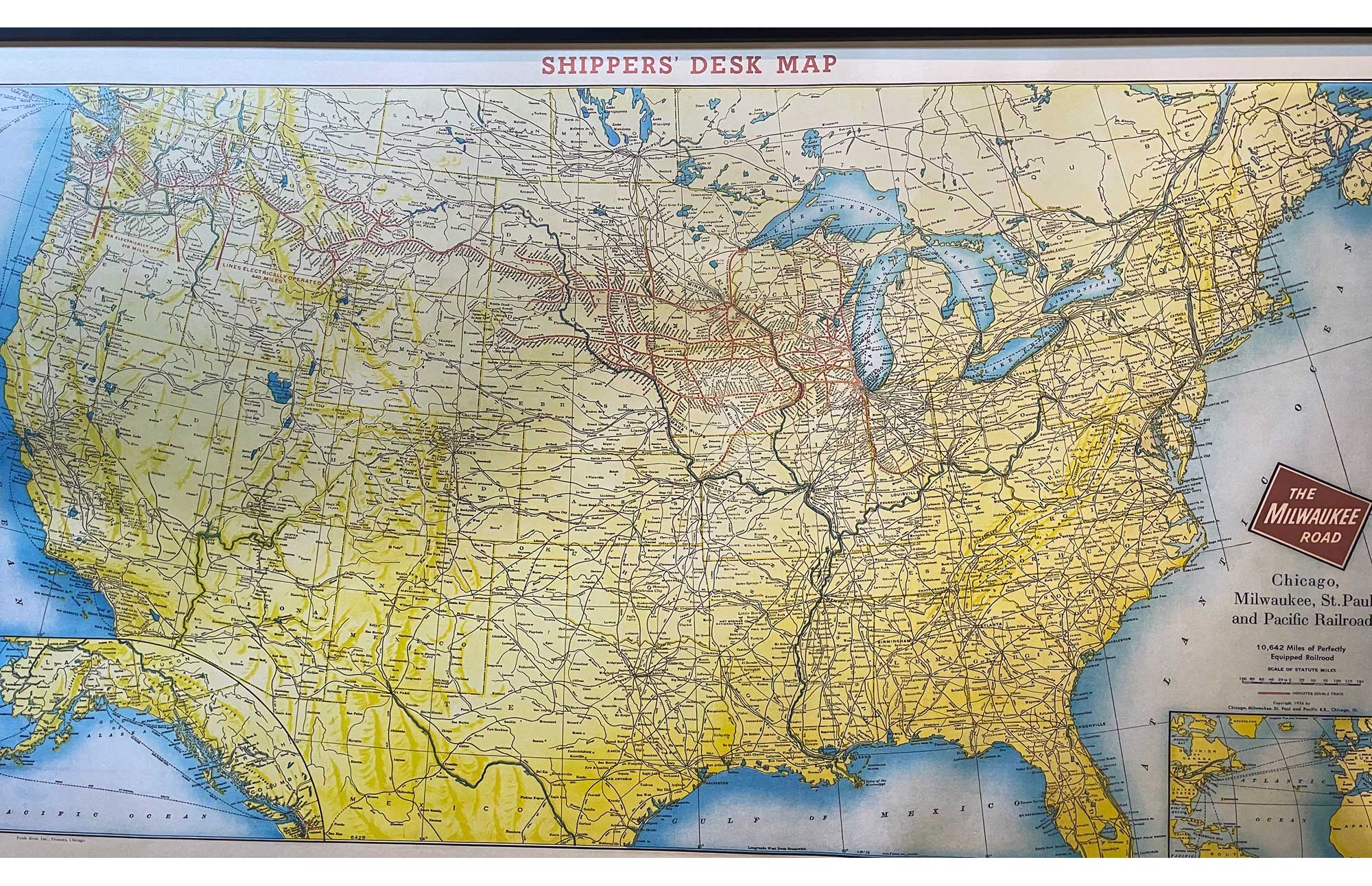
CNU 35 Twin Cities Highlights Historic Mill District Urbanism
Imagine a map. Eight feet wide. It sprawls across a wall, a sprawling web of more than 10,000...