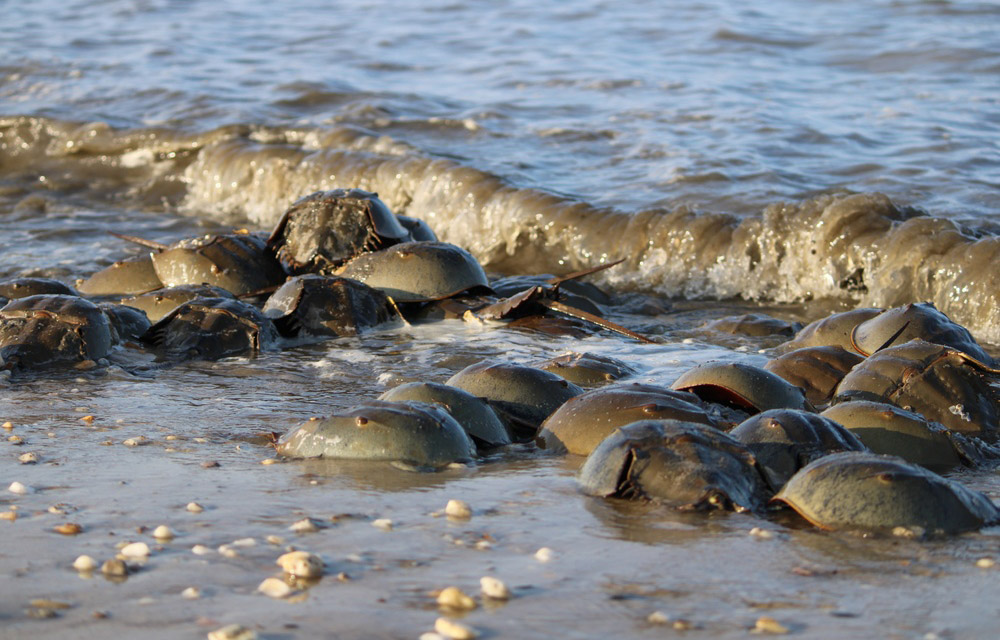
The Center for Biological Diversity (CBD) has filed a lawsuit against the Massachusetts Division of Marine Fisheries to force the release of data regarding horseshoe crab mortalities, SeafoodSource reported.
The legal action, filed on 10 November in the Superior Court Department of Suffolk, seeks a judicial ruling that these records should be considered biological take records and made available to the public under state law. The nonprofit argues that the state’s refusal to disclose how many crabs are dying during harvesting and biomedical procedures prevents meaningful wildlife conservation efforts.
“It’s impossible to meaningfully save wildlife without having complete data made publicly available,” said William Snape, an attorney for the CBD.
The dispute centers on information the state has categorized as “strictly confidential.” In February 2026, the CBD submitted a public records request for harvest and mortality data covering the years 2024 and 2025, but officials denied the request.
Horseshoe crabs serve two primary, high-value functions in the current economy. They are harvested as bait and are also extensively “bled” for their blood, which is a critical component in the biomedical sector for various types of testing.

The CBD contends that the current lack of transparency allows corporate interests to operate without public oversight. The nonprofit claims that the Division of Marine Fisheries is causing harm to the species by shielding this data from scrutiny.
“Horseshoe crabs are incredible animals that shouldn’t be killed and injured, especially not at such high levels and in secret,” said William Snape.
Snape added that while these creatures are among the world’s heartiest, they are being “carelessly and brutally” wiped out by corporate practices.
This lawsuit follows a similar legal victory for the CBD in another jurisdiction. Last year, a U.S. court ordered the Maryland Department of Natural Resources to turn over its data on horseshoe crab harvesting after the group filed suit there.
The fight for transparency is occurring alongside a broader push for federal protections. The CBD is currently attempting to secure Endangered Species Act (ESA) protections for the crustaceans, a move that has met resistance from federal regulators.
In February, NOAA Fisheries denied a petition for these protections. The CBD has responded by filing a lawsuit against the agency, alleging that the federal government’s negative 90-day finding was “arbitrary, capricious, and unlawful.”
The nonprofit claims that NOAA Fisheries essentially issued a 12-month finding without first performing a required species status review or providing the procedural opportunities that typically accompany such a review.
The 8 Stupidest Attractions in New York City – Yahoo Travel
New York City offers a staggering concentration of world-class culture, from the halls of the Metropolitan Museum of...

Mauricio Pochettino Blocks Lisandro Martinez Transfer to Barcelona
Lisandro Martinez faces an unexpected lifeline at Old Trafford after Manchester United appointed Mauricio Pochettino as manager, according...

Zoox Is Now Available on Uber in Las Vegas
Uber began matching riders with Zoox robotaxis in Las Vegas on Monday, the first time the Amazon unit...
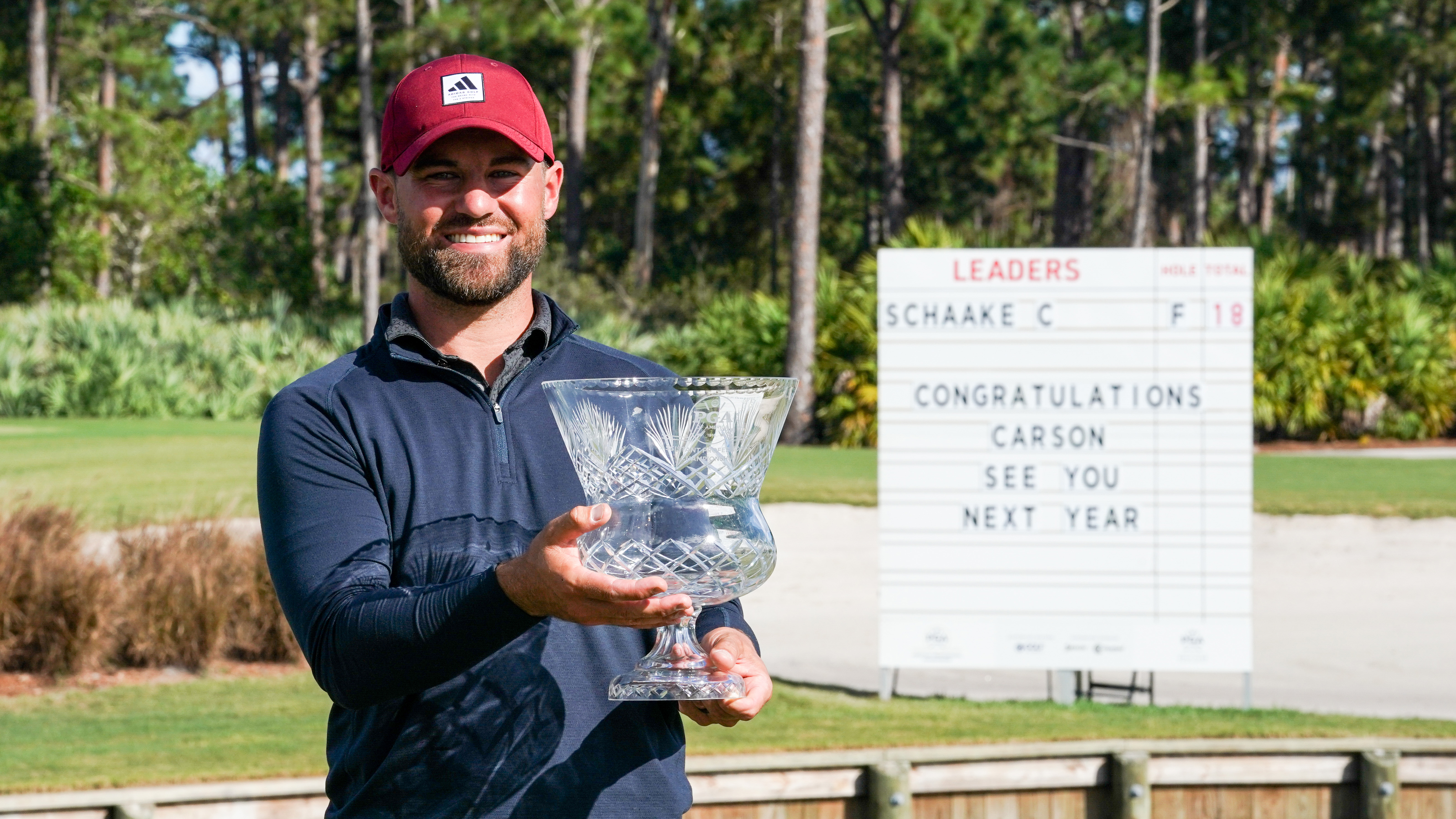
Carson Schaake Overcomes Late Bad Break to Win Assistant PGA PPC
Just forty minutes after suffering through one of the most brutal misfortunes in the sport, Carson Schaake found...