
Ironworker jobs in Annapolis are currently seeing a steady climb in demand, driven by a convergence of large-scale infrastructure projects and sustained commercial development across Anne Arundel County.
As of November 2026, contractors across the Maryland region are actively seeking skilled laborers to handle structural steel erection, rebar reinforcement, and rigging for everything from high-rise construction to specialized institutional facilities.
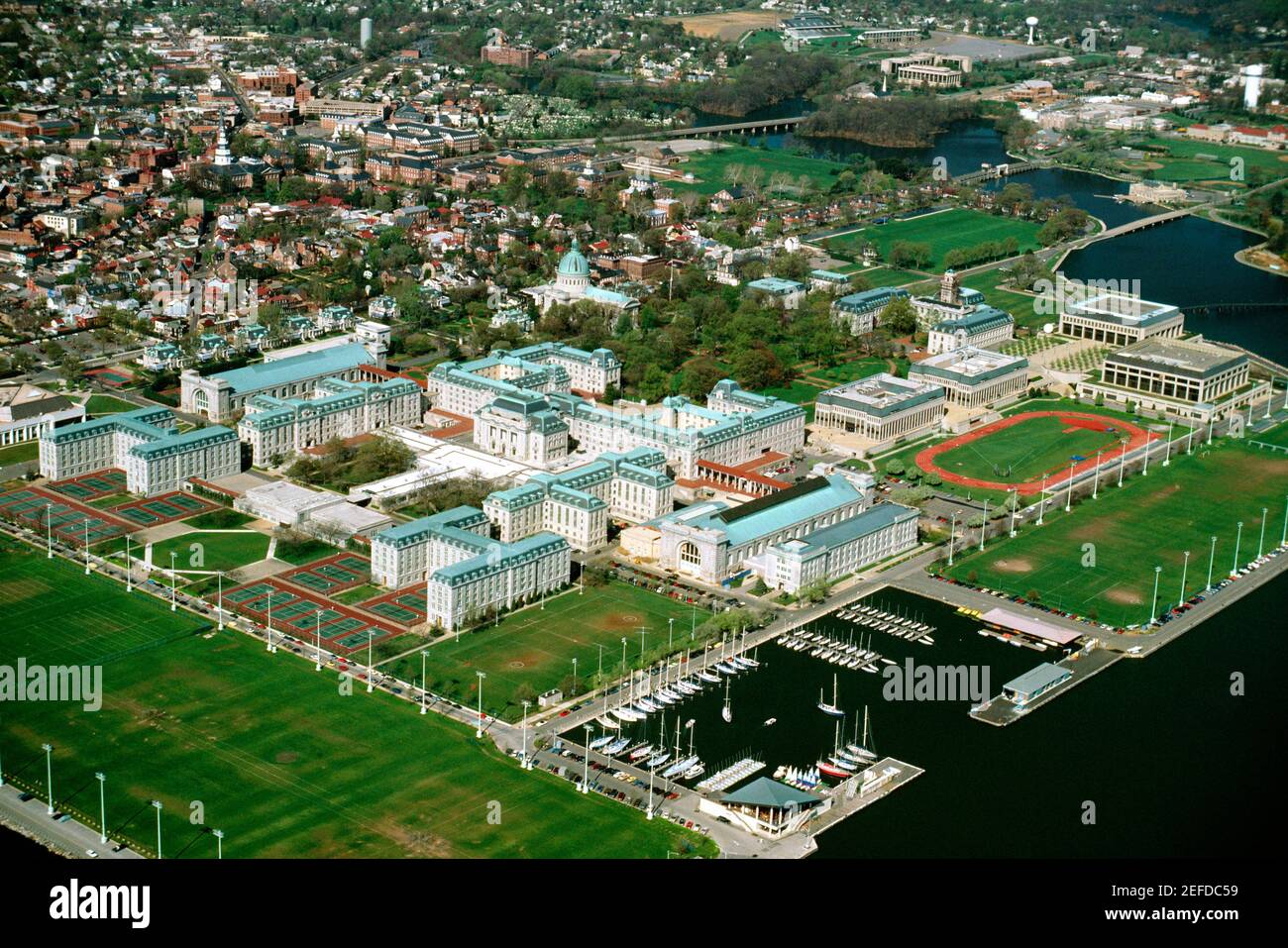
The market for ironworkers in Annapolis is uniquely shaped by the city’s dual identity as a government and medical hub. The continuous facility expansion at the U.S. Naval Academy requires highly specialized structural steel work, while the ongoing growth of the Anne Arundel Medical Center campus adds a consistent stream of commercial steel contracts to the local pipeline.
These projects, coupled with waterfront revitalization efforts at City Dock, ensure that ironworkers with diverse project experience remain in high demand throughout the calendar year.
For those entering or advancing in the trade, the financial reality remains competitive. According to industry data, ironworkers in the Annapolis area typically command wages ranging from $36 to $70 per hour. This variance is tied directly to an individual’s specific skill set, with contractors offering the most lucrative packages to those holding structural welding certifications, AWS credentials, or proven experience in high-rise steel erection.

Beyond the immediate job listings, the long-term outlook for the profession remains robust. The U.S. Bureau of Labor Statistics ironworker outlook projects continued growth for the field, fueled by national infrastructure investment and industrial development. This trend is mirrored locally, where the need for reinforcing iron, ornamental installation, and rigging expertise shows no signs of slowing.
Training remains the most reliable path to securing these high-paying roles. Most professionals in the field utilize Iron Workers International union apprenticeships or gain experience through licensed contractors. For those looking to distinguish themselves, certifications are essential.
“A résumé rarely shows an ironworker’s full range of structural steel and project experience,” noted representatives from TradeScouts, an organization that tracks trade career data. “Contractors want to see exactly which steel systems, project scales, and certifications an applicant has.”
The emphasis on verified credentials like OSHA 10 and 30, along with NCCER certifications, is non-negotiable for most industrial and commercial contractors in Maryland. Workers who document their history with specific steel systems and project scales are finding that they can command more attention from employers before a job is even officially posted.
This proactive approach to career management is increasingly common as workers look to leverage their skill sets into foreman, superintendent, or project management positions.
While the demand is clear, the work is physically and technically demanding. The reliance on specialized rigging and structural welding means that the barrier to entry is high, favoring those who have invested in formal training. Some workers look toward the ApprenticeshipUSA portal or CareerOneStop to identify available training programs that align with current industry standards.
For the veteran ironworker, the career trajectory often moves beyond the beam. Experienced professionals in the region frequently transition into structural steel inspection, quality control, or even contractor ownership. As Annapolis continues to balance the preservation of its historic waterfront with the demands of modern infrastructure, the role of the skilled ironworker remains fundamental to the city’s physical growth.
Worth a look
The 8 Stupidest Attractions in New York City – Yahoo Travel
New York City offers a staggering concentration of world-class culture, from the halls of the Metropolitan Museum of...

Mauricio Pochettino Blocks Lisandro Martinez Transfer to Barcelona
Lisandro Martinez faces an unexpected lifeline at Old Trafford after Manchester United appointed Mauricio Pochettino as manager, according...

Zoox Is Now Available on Uber in Las Vegas
Uber began matching riders with Zoox robotaxis in Las Vegas on Monday, the first time the Amazon unit...

Carson Schaake Overcomes Late Bad Break to Win Assistant PGA PPC
Just forty minutes after suffering through one of the most brutal misfortunes in the sport, Carson Schaake found...