
The Central Arizona Project is officially taking its fight against federal water cuts to court, diving into a high-stakes legal battle that could redefine who bears the heaviest burden as the Colorado River shrinks.
The Central Arizona Project filed a motion in Nevada district court to intervene in an ongoing lawsuit against the U.S. Department of the Interior. The agency’s controversial new management framework, drafted to govern the river over the coming decade, threatens to slash deliveries to Arizona, Nevada, and California while not forcing any new cuts on the four upstream states collectively known as the river’s Upper Basin.
A Legal Challenge Over Potential Zero-Delivery Scenarios
The core dispute centers on fears that the federal framework grants Washington the unilateral power to reduce supplies to central and southern Arizona down to nothing during severe droughts. Brenda Burman, general manager for the Central Arizona Project, laid out the stakes during an Oct. 27 news conference.
The Central Arizona Project signed on to a Nevada lawsuit challenging federal cutbacks on the Colorado River. Here's why. https://t.co/HTVhxJUmy8
“The United States has given itself the ability in its framework documents to take the CAP system and all of our water users, over 50 municipal and industrial users, 11 tribes, to zero,” Burman said.
That outcome would upend an economy where the canal supplies at least some water to 80% of the state’s residents and 90% of its economic activity. The move follows a unanimous September vote by the Central Arizona Water Conservation District Board of Directors clearing the way for litigation, closely following the State of Arizona’s decision to join Nevada’s lawsuit on Oct. 16.
Upper Basin Fails Ten-Year Water Delivery Obligation
The legal collision arrives at a tipping point for the American Southwest. The river failed to meet its 10-year average delivery obligation to the Lower Basin states, measured as water flowing past Lees Ferry in northern Arizona through the water year ending Sept. 30.
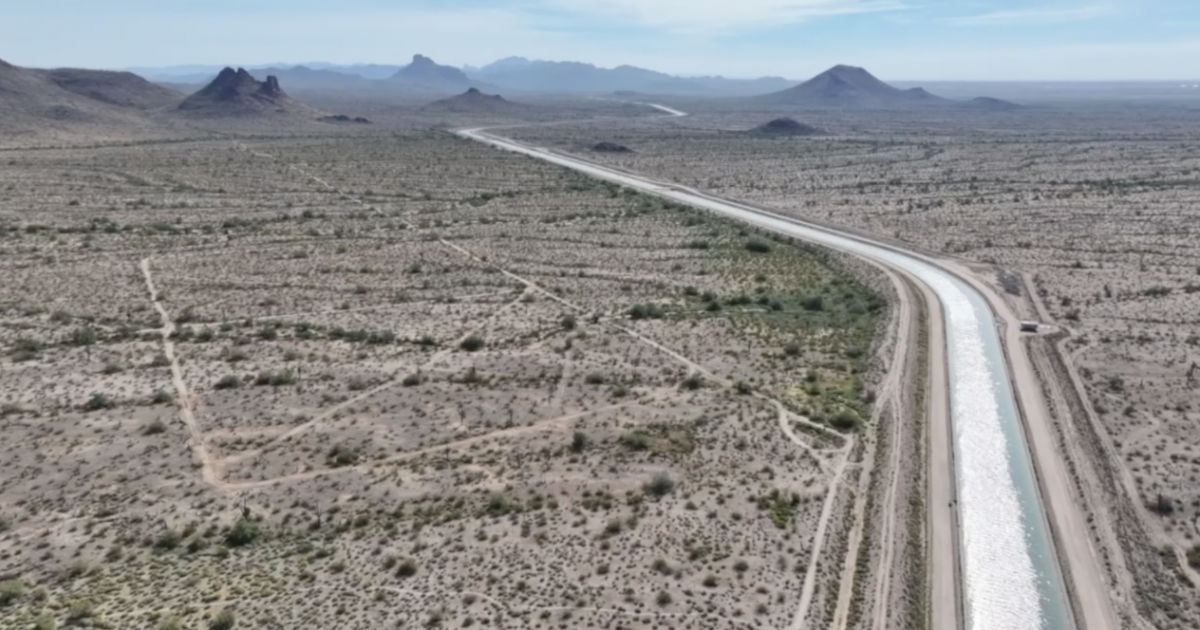
Under the compact, the Upper Basin states of Wyoming, Colorado, Utah, and New Mexico are required to deliver a specific volume over a rolling ten-year average. While those states argue that climate change and a lack of massive storage reservoirs—rather than their own usage—are driving the crisis, Lower Basin officials argue it is fundamentally unfair to absorb steep cuts without enforcing upstream obligations.
“CAP is not and has never been junior to the Upper Basin,” Burman argued, pushing back against the notion that Arizona should simply absorb reductions while upper states escape mandatory restrictions.
Short-Term Agreements Versus Long-Term Risks
For the immediate future, the path forward appears slightly less volatile. The federal plan envisions the Lower Basin states surrendering 1.25 million acre-feet over the next two years, with 760,000 of that total coming directly out of Arizona’s 2.8 million-acre-foot share. Local water managers accepted those short-term sacrifices, but drew the line at the long-term threat of losing twice that in future years unless the Upper Basin states also take mandatory cuts.
Meanwhile, Upper Basin representatives have maintained that Arizona should rely on water previously banked underground rather than turning to the courts.
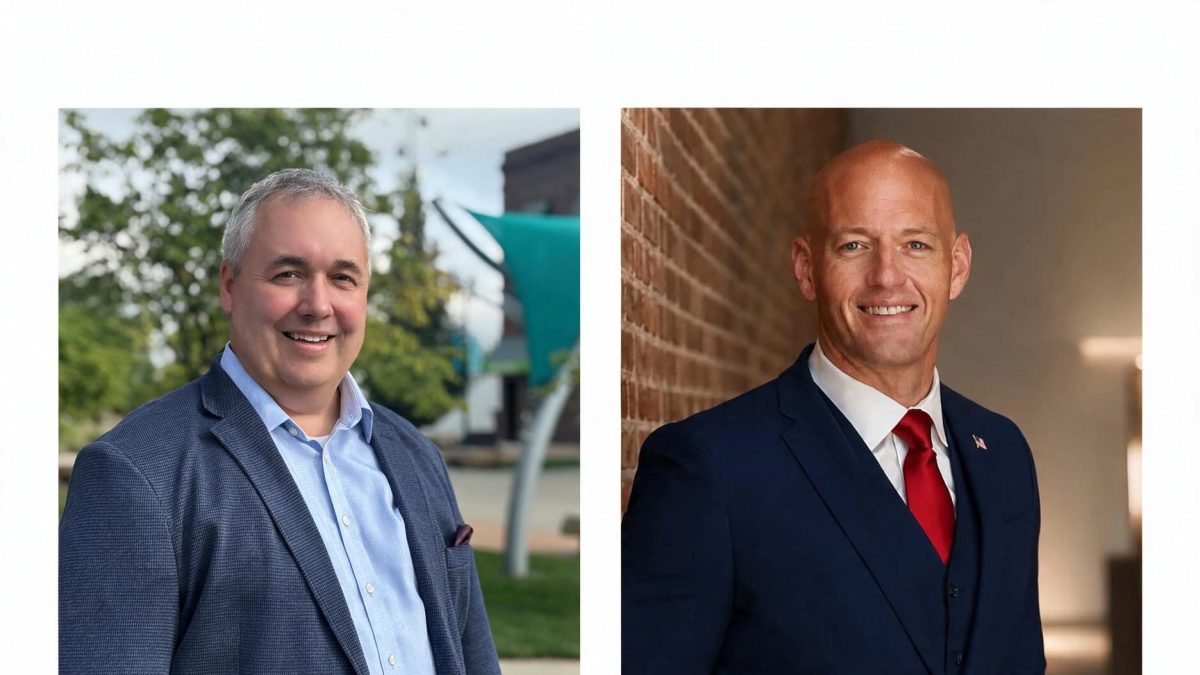
Grand Island Mayor Candidates O’Neill and Reed File Campaign Reports
Grand Island Mayoral Race Draws New Campaign Filings The financial ledger of local politics just expanded in Hall...
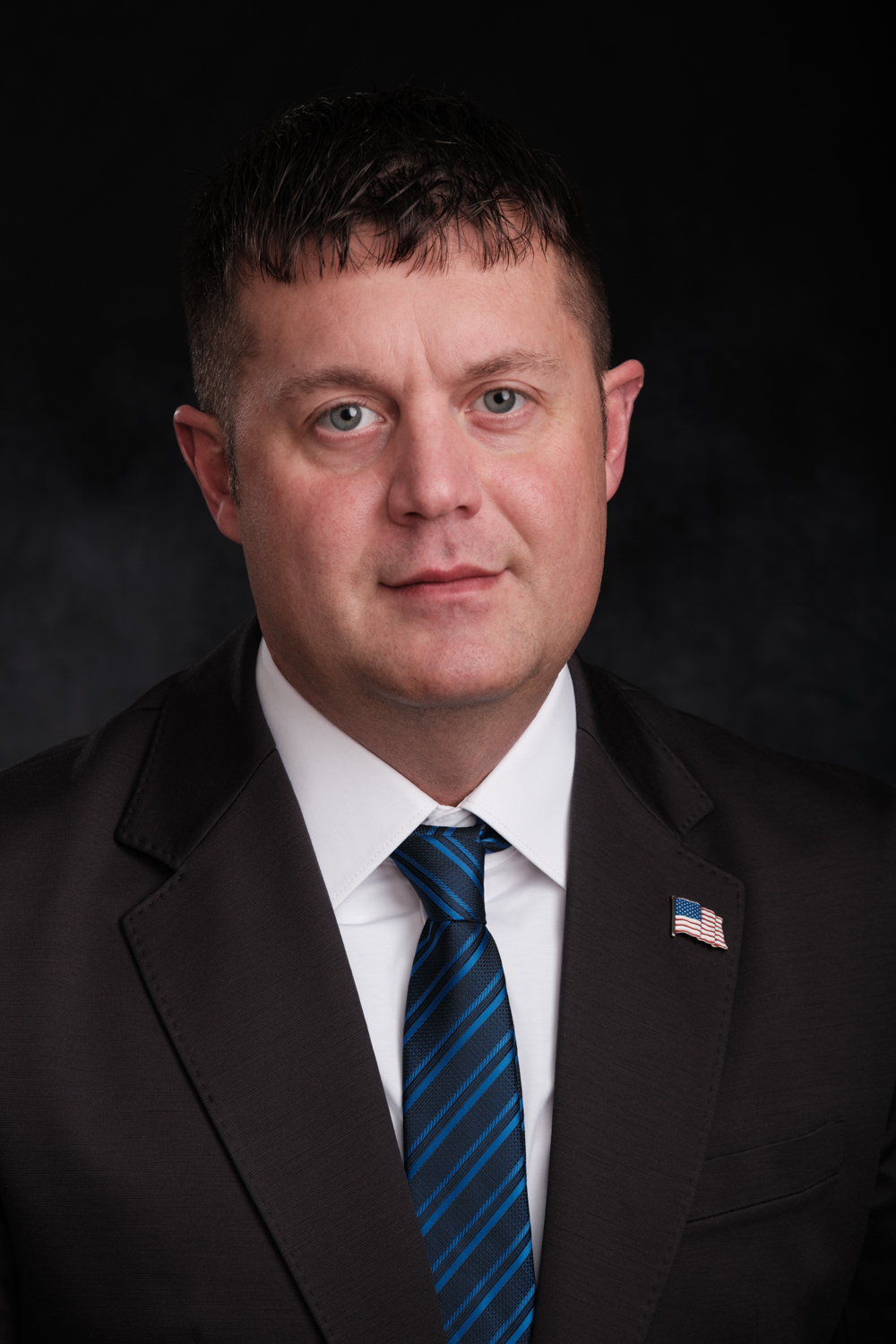
Libertarian Candidate Calls Native Peoples ‘Pets’, Native News Online Says
Montana Senate Debate Erupts After Libertarian Candidate Calls Native Americans "Pets" During a maternal health forum in Billings,...

St. James Academy Wins Inaugural Kansas Girls Flag Football State Championship
St. James Academy Claims Kansas’s First Girls Flag Football Championship History arrived on a Tuesday evening in late...

Pete Buttigieg Campaigns for Scott Colom in Mississippi Senate Race
Pete Buttigieg Pushes Mississippi Voters to Send Shockwaves in High-Stakes Senate Race Former U.S. Transportation Secretary Pete Buttigieg...