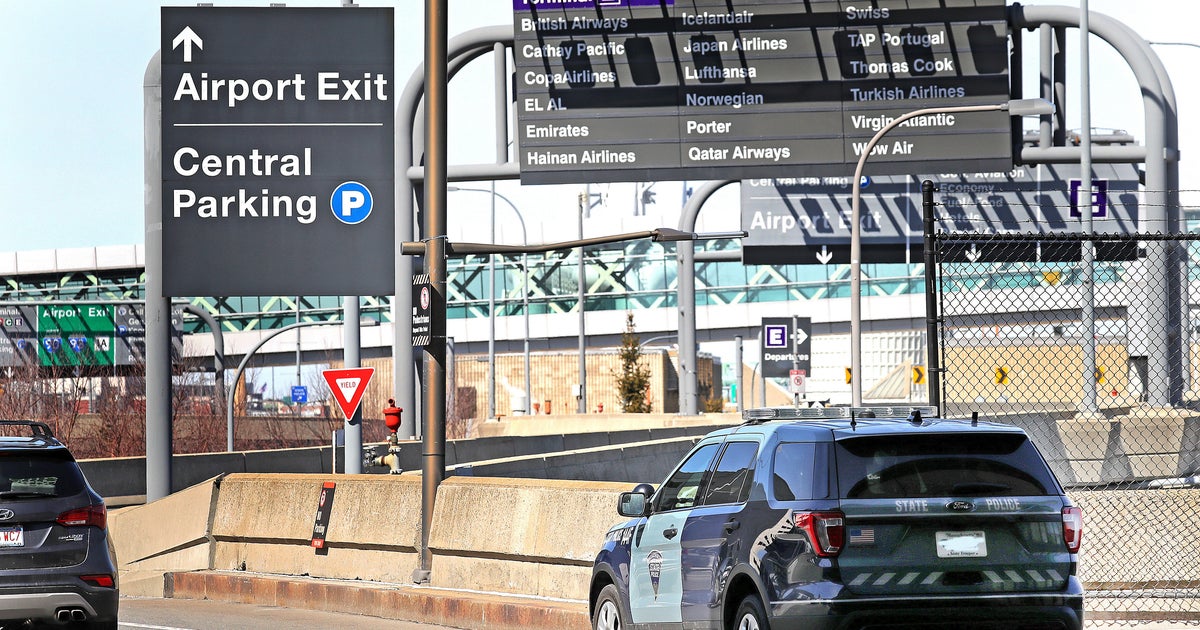
“It’s obviously a concern of people with bad intentions or nefarious acts is always a concern,” said Todd McGhee, a former Massachusetts state trooper, regarding the security protocols at Boston Logan International Airport. A WBZ-TV I-Team investigation has revealed that state troopers assigned to conduct essential security sweeps of airport terminals were repeatedly failing to perform their duties, according to reports from CBS News.
The security failures reached a critical point on October 4, when a passenger was discovered left overnight in a restricted area of the airport. This incident, which bypassed the standard nightly checks intended to secure the facility after TSA staff depart, has triggered a large-scale investigation by the Massachusetts State Police. The breach is particularly sensitive because checked luggage—which can contain firearms—is permitted, whereas carry-on items are strictly regulated; leaving a passenger in a secure zone creates a significant vulnerability in the airport’s perimeter integrity.
Surveillance footage contradicts trooper reports
The investigation into the October 4 incident centers on a discrepancy between official reports and visual evidence. While a trooper reportedly logged that a security sweep had been completed, surveillance cameras in the terminal allegedly showed that the officer never actually entered the area. This discrepancy suggests that the trooper may have misrepresented his actions, an act that McGhee noted would typically serve as grounds for disciplinary measures.
The role of these sweeps extends beyond mere presence. As McGhee explained, the purpose of the uniformed patrols is to ensure the facility is “buttoned up” once the final flights have landed and TSA personnel are no longer manning the gates. These sweeps are designed to ensure no unauthorized individuals remain in secure or restricted zones overnight.
“The troopers are assigned there to do the security sweeps. It’s not just presence, the uniformed presence for deterrence, it’s to ensure that things are buttoned up after the last flight comes in, after TSA is no longer manning those gates, and that there’s no one who is left behind there,” McGhee said.
Massachusetts State Police launch internal probe
In response to the findings, the Massachusetts State Police have confirmed they are conducting an internal affairs investigation to determine if the troopers on duty fulfilled their specific responsibilities. While the individual trooper involved in the October 4 incident has not been identified, the department has confirmed that the officer is facing an internal investigation and that a broader probe has been opened to examine the systemic nature of these failures.

A spokesperson for the Massachusetts State Police issued a statement emphasizing their commitment to the safety of travelers and airport employees:

“The Massachusetts State Police remains committed to the safety and security of everyone traveling through or working at Boston Logan International Airport. When this incident came to our attention, the Department worked with our airport partners to review the circumstances and reinforce established security protocols. The Department also opened an internal affairs investigation to determine whether the Troopers on duty fulfilled their responsibilities in the course of their shift. We will continue to work closely with our partners to maintain the safety and security of Logan Airport.”
Massachusetts State Police
The failure to conduct these sweeps is being characterized by former personnel as a supervisory issue. McGhee pointed out that because Logan Airport is equipped with a substantial network of cameras, it is relatively simple for leadership to review footage to verify whether activity—or a lack thereof—matches the reported logs.
New requirements for body-worn cameras
Following the October incident, the protocols for airport security patrols have been adjusted. I-Team sources indicate that troopers assigned to Logan Airport are now required to activate their body-worn cameras while conducting terminal sweeps. This move is intended to provide a digital audit trail that matches the written reports submitted at the end of a shift, theoretically preventing the type of misreporting identified in the recent investigation.
The implications of these lapses extend to the broader security infrastructure of the Commonwealth of Massachusetts and the operational reliability of one of the nation’s major aviation hubs. For travelers and airport staff, the reliance on these nightly checks is a fundamental component of the airport’s layered security model, designed to catch anomalies before they can be exploited.

Yhonzae Pierre Addresses Alabama Defensive Front Sack Slump
“As a defense, no, we're not satisfied,” outside linebacker Yhonzae Pierre said. The Alabama defensive front, which began...
North Charleston Man Arrested for Sexual Exploitation of a Minor
North Charleston man faces felony charges in sexual exploitation investigation Connor Burslem, a 32-year-old resident of North Charleston,...
DNC Chair Ken Martin Congratulates Helena Foulkes on RI Victory
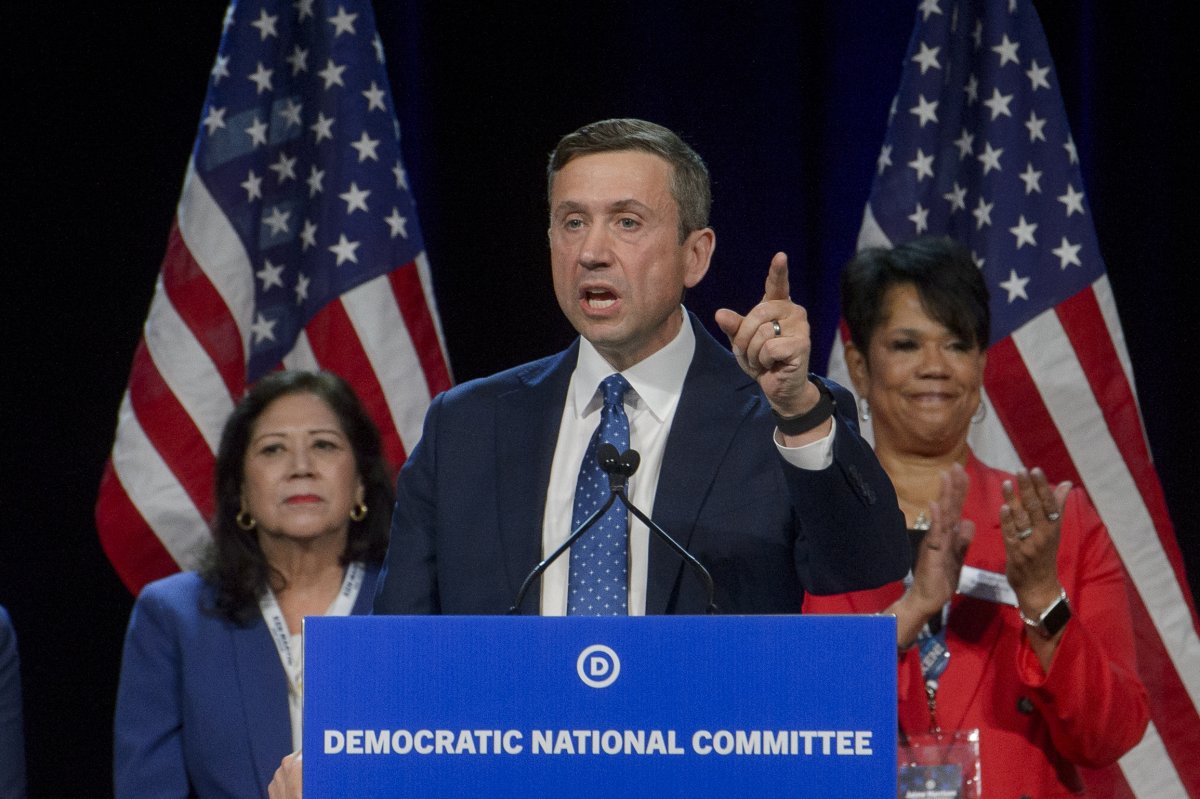
Ken Martin congratulates Helena Foulkes on Rhode Island gubernatorial victory The Democratic National Committee has officially recognized Helena...
Two Columbus Charter Amendments Lead Early Election Results
Early votes show strong support for two competing plans to change Columbus City Council elections Early voters in...