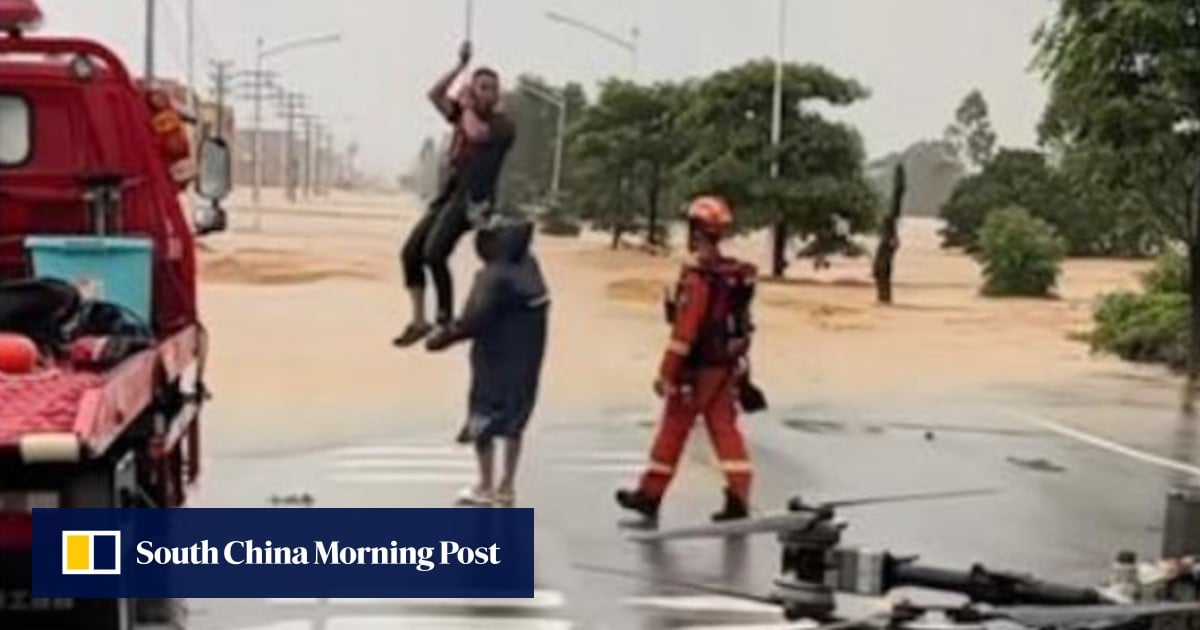
As severe flooding inundates China’s southern Guangxi Zhuang autonomous region, authorities have turned to an expansive fleet of uncrewed aerial systems to conduct search-and-rescue operations and deliver life-saving supplies. The deployment marks a significant evolution in the nation’s emergency response capabilities, shifting from the high-risk, manual techniques of the past toward a technology-driven approach capable of reaching areas cut off by rising waters.
A Shift in Disaster Response
The reliance on heavy-duty drones represents a stark contrast to disaster relief efforts in China nearly two decades ago. During a devastating earthquake 18 years ago, responders relied on manual, high-risk methods, including paratroopers performing blind-drop operations in treacherous weather to assess damage and re-establish communications. In that era, drone technology was nonexistent. Today, China’s manufacturing dominance in the drone sector has made uncrewed systems a central component of emergency logistics. According to officials, these systems can swiftly enter hazardous zones that are otherwise unreachable for ground crews, allowing for rapid surveys of inundated regions and the identification of residents trapped by floodwaters.
Typhoon Maysak’s Impact
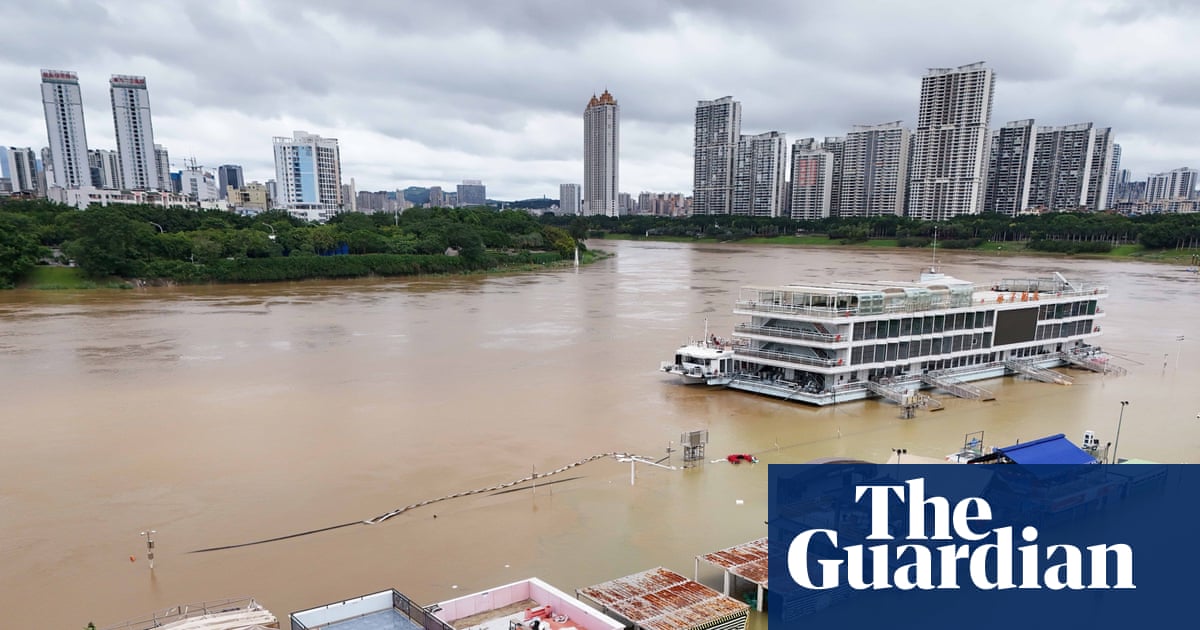
The current flooding follows the landfall of Typhoon Maysak, the first typhoon of the 2026 season to hit China. The deluge caused rivers to swell and dam walls to break, including a partial collapse at a reservoir in Hengzhou. The human toll of the disaster has been severe. According to Ding Wei, the vice mayor of Nanning, 39 people died in the flooding, and nine others remained missing. Beyond the immediate threat of water, residents have faced secondary dangers, including the escape of hundreds of snakes from flooded breeding farms. Authorities have responded by increasing the local supply of antivenom and issuing safety guidance to the public.
Coordinated Drone Operations
The rescue effort has involved a massive mobilization of human and technological resources. Approximately 130,000 people have been evacuated, supported by 5,700 boats and a fleet of drones. The drone operations are multifaceted, serving several critical functions: * Supply Delivery: Drones have been used to airdrop hundreds of tons of drinking water and first-aid supplies to isolated communities. * Communication Restoration: Manufacturers like Vertaxi have deployed E40H drones equipped with mobile base stations to provide signal coverage within a 50-kilometer radius, allowing stranded residents to issue distress calls. * Reconnaissance: High-definition imagery is streamed in real-time to command centers, enabling officials to evaluate reservoir levels, landslide sites, and road conditions to allocate rescue forces efficiently. DJI, a major producer of the drones deployed, reported that an estimated 100 drones, predominantly from the FC series, are currently on-site.
Broader Challenges and Relief Efforts
While focus remains on the situation in Guangxi, the central government has allocated significant emergency funding to address the nationwide impact of recent extreme weather. This includes 100 million yuan for infrastructure in Guangxi, as well as additional funds for Hubei province, where rare tornadoes and violent thunderstorms on Monday night resulted in 11 deaths and hundreds of injuries. However, the respite may be short-lived; meteorologists have warned of further rainfall in some areas, and the approach of Typhoon Bavi has prompted authorities in coastal provinces to prepare for additional heavy weather.
Find more reporting in our World section.
Worth a look

Zelenskyy Criticizes Partners for Lack of Missile Strike Warnings
Five Russian ballistic missiles struck Kyiv without prior intelligence alerts from international partners on Tuesday evening, prompting criticism...

Benjamin Netanyahu Denies Meeting Egyptian Intelligence Chief Despite Records
Israeli Prime Minister Benjamin Netanyahu denied meeting with former Egyptian intelligence chief Abbas Kamel during an interview on...
Saudi Energy Minister Vows Response to Houthi Airport Attacks
Riyadh’s international airport attacks killed 14 people and left skies over the Saudi capital largely empty on October...

Sudan Customs Extends Vehicle Clearance Deadline to December 3
Sudan Customs has extended the customs clearance deadline to December 3, 2026, for vehicles at ports granted exemptions...