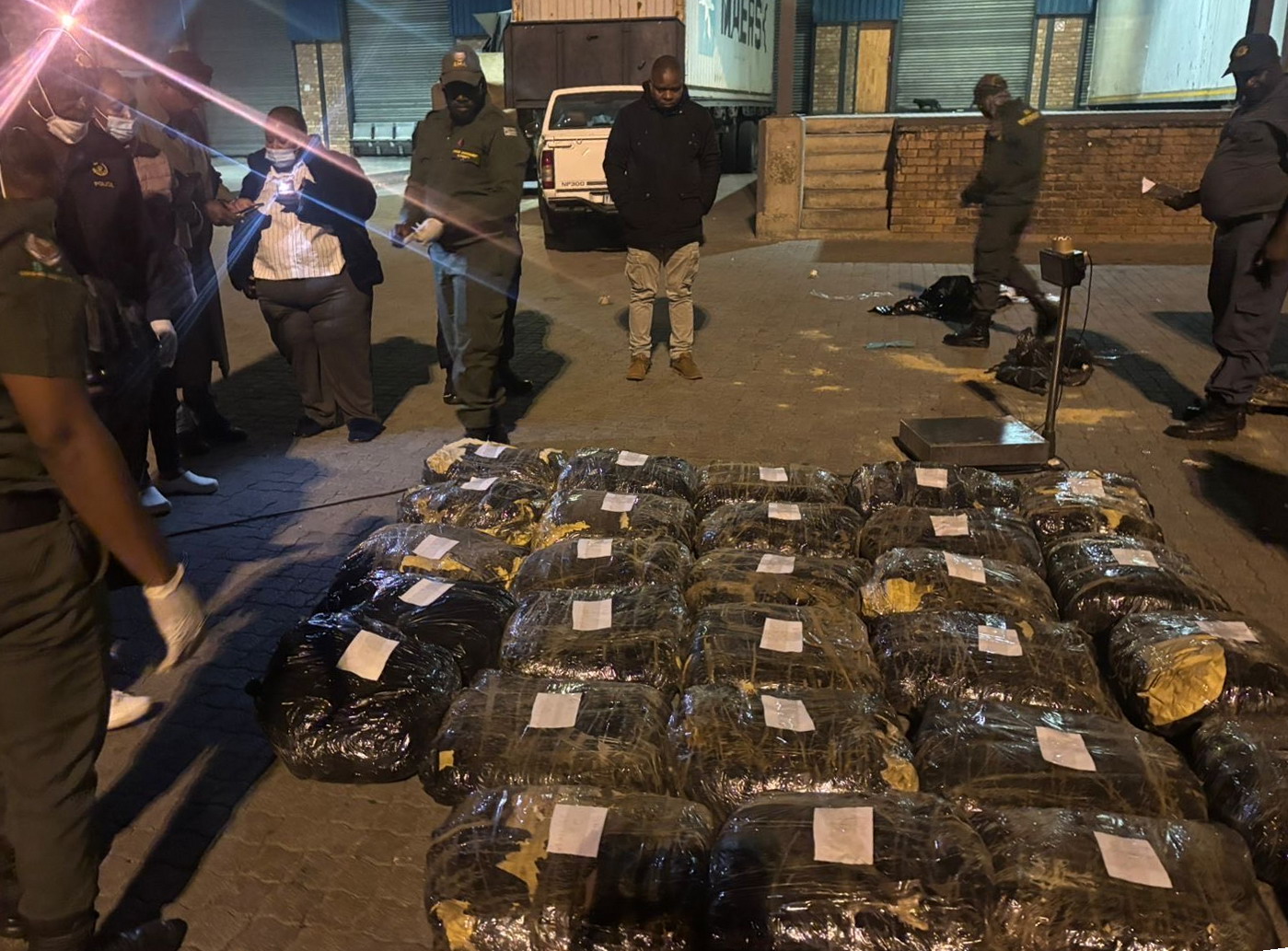
In one of the largest drug seizures in South African history, the Border Management Authority (BMA) has intercepted a consignment of methaqualone valued at nearly R1 billion at the Beitbridge port of entry. The substance, which is a key ingredient in the production of Mandrax tablets, was discovered following an intelligence-driven operation coordinated by the National Targeting Centre.
Details of the Beitbridge Interception
The operation took place on a Tuesday after authorities identified a truck traveling through Zimbabwe toward the South African border. Upon the vehicle’s arrival at the Beitbridge port of entry, BMA officials utilized a sophisticated on-site truck scanner to examine the cargo. The search revealed a hidden compartment within the vehicle. BMA personnel spent eight hours dismantling the truck to access the concealed shipment. Subsequent testing confirmed the substance was methaqualone. The Hawks and K9 units were brought in to assist with the recovery of 713,000 grams of the drug, which authorities estimate to be worth R998,200,000. Following the discovery, three suspects were arrested and transported to the Musina Police Station. While initial reports identified the suspects as Malawian, other official information indicated that the group included two Malawian nationals and one Zambian. The Hawks are currently conducting further investigations to determine the intended destination of the drugs and whether the operation is linked to a broader transnational criminal network.
Rising Trends in Regional Drug Trafficking
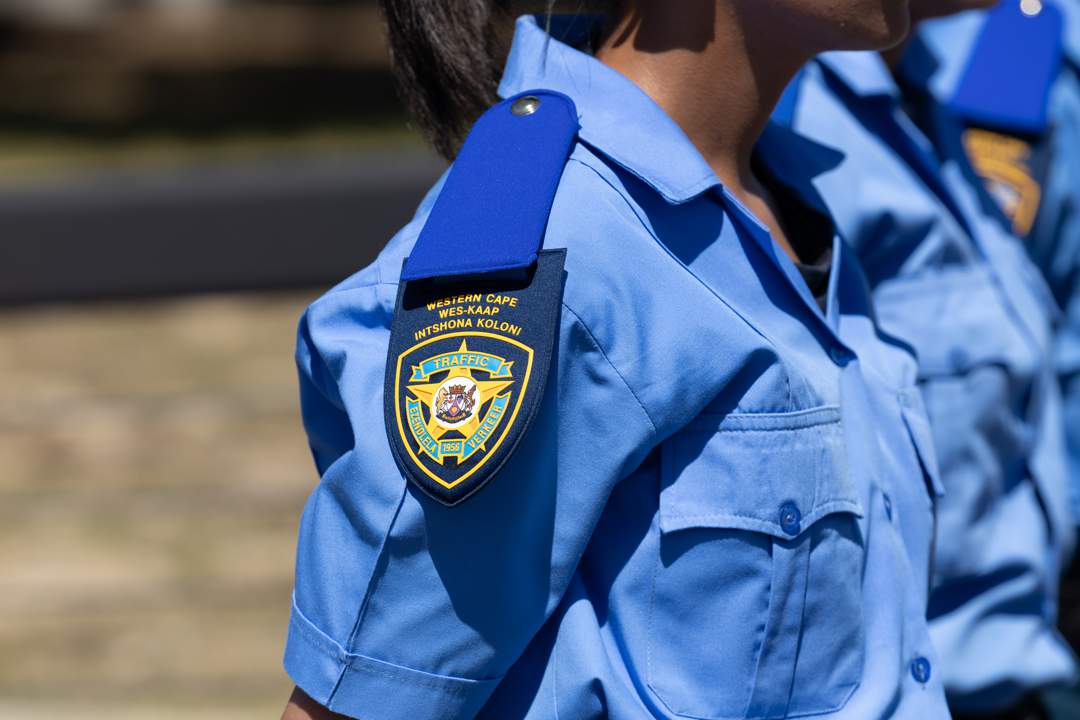
The Beitbridge seizure is the latest in a series of major law enforcement actions against illicit drug operations in South Africa. Criminal syndicates are reportedly smuggling raw materials into the region and establishing manufacturing facilities, often in rural areas with limited police presence. The involvement of foreign nationals in these operations has become a recurring theme. Over the past two years, authorities have dismantled at least four major drug-manufacturing labs involving Mexican nationals, leading to concerns that international cartels are attempting to establish a footprint in South Africa. Previous significant enforcement actions include: * July 2024: A raid on a drug laboratory in Groblersdal resulted in the seizure of chemicals and crystal meth valued at an estimated R2 billion. Four suspects, including two Mexican nationals, were arrested. * May 2026: Eleven suspects, including five Mexican nationals, two Mozambicans, one Zimbabwean, and three South Africans, were arrested at a farm in Swartruggens. Authorities discovered a large-scale manufacturing facility for methamphetamine, with an estimated value exceeding R1 billion. * Durban Harbour: Police recently recovered 32 bricks of cocaine worth over R13 million hidden in an imported bus, and in a separate incident, recovered pure cocaine valued at R80 million disguised as kidney beans within a shipping container.
Border Security and Enforcement Strategy
BMA Commissioner Dr. Michael Masiapato praised the Beitbridge operation as a demonstration of the effectiveness of enhanced security measures, including the use of advanced technology and inter-agency cooperation. Home Affairs Minister Leon Schreiber stated that the breakthrough highlights the government’s commitment to using intelligence-led investigations and digital transformation to restore the rule of law at the country’s borders. Beyond drug interdiction, South African military forces—operating under Operation Corona—have been active in securing the nation’s six land borders. In June, these patrols intercepted R9 million worth of contraband and stolen vehicles. During the same period, military personnel apprehended 521 undocumented foreign nationals, with Mozambican citizens accounting for the largest group of those detained. Additionally, soldiers questioned suspicious individuals, resulting in the identification of 76 people wanted in connection with various crimes. As the government intensifies its focus on the illicit economy—which is estimated to cost the country up to R100 billion annually—officials have emphasized that these operations are essential for protecting local industries, stabilizing the economy, and preventing the further erosion of the rule of law.

Find more reporting in our World section.

Wicknell Chivayo Gave Sugar Sugar Unregistered Toyota Fortuner
Zimbabwean businessman Wicknell Chivayo’s death has left a tangled web of unpaid car dealer debts and unresolved gifts,...
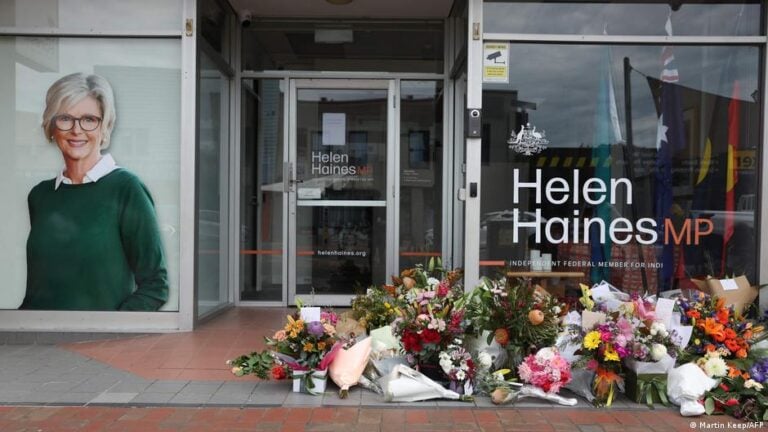
Haines hit in critical condition
Independent Australian MP Helen Haines remains in critical condition following a deliberate car attack outside her Wangaratta office...
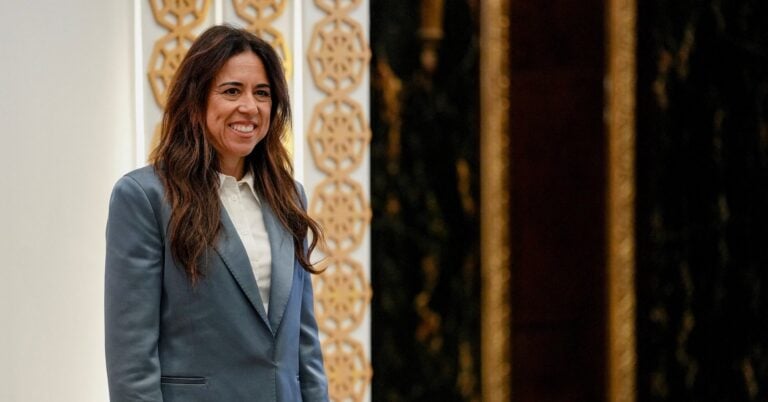
UAE’s Nusseibeh Joins Race for UN Chief
Senior United Arab Emirates diplomat Lana Nusseibeh entered the contest for United Nations secretary-general on October 21, 2026,...
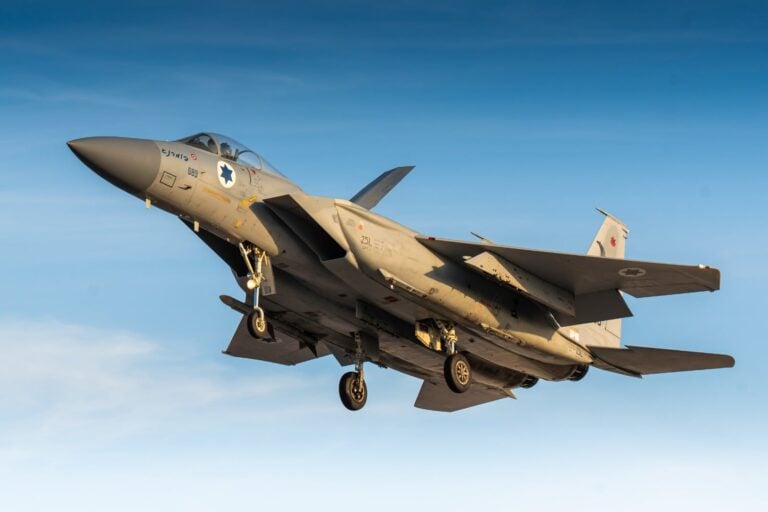
Reports: Israeli jets flew to Iran’s border, some US officials suspect bid to provoke Tehran
Dozens of Israeli fighter jets flew near Iran's border on Monday in a high-stakes military exercise.