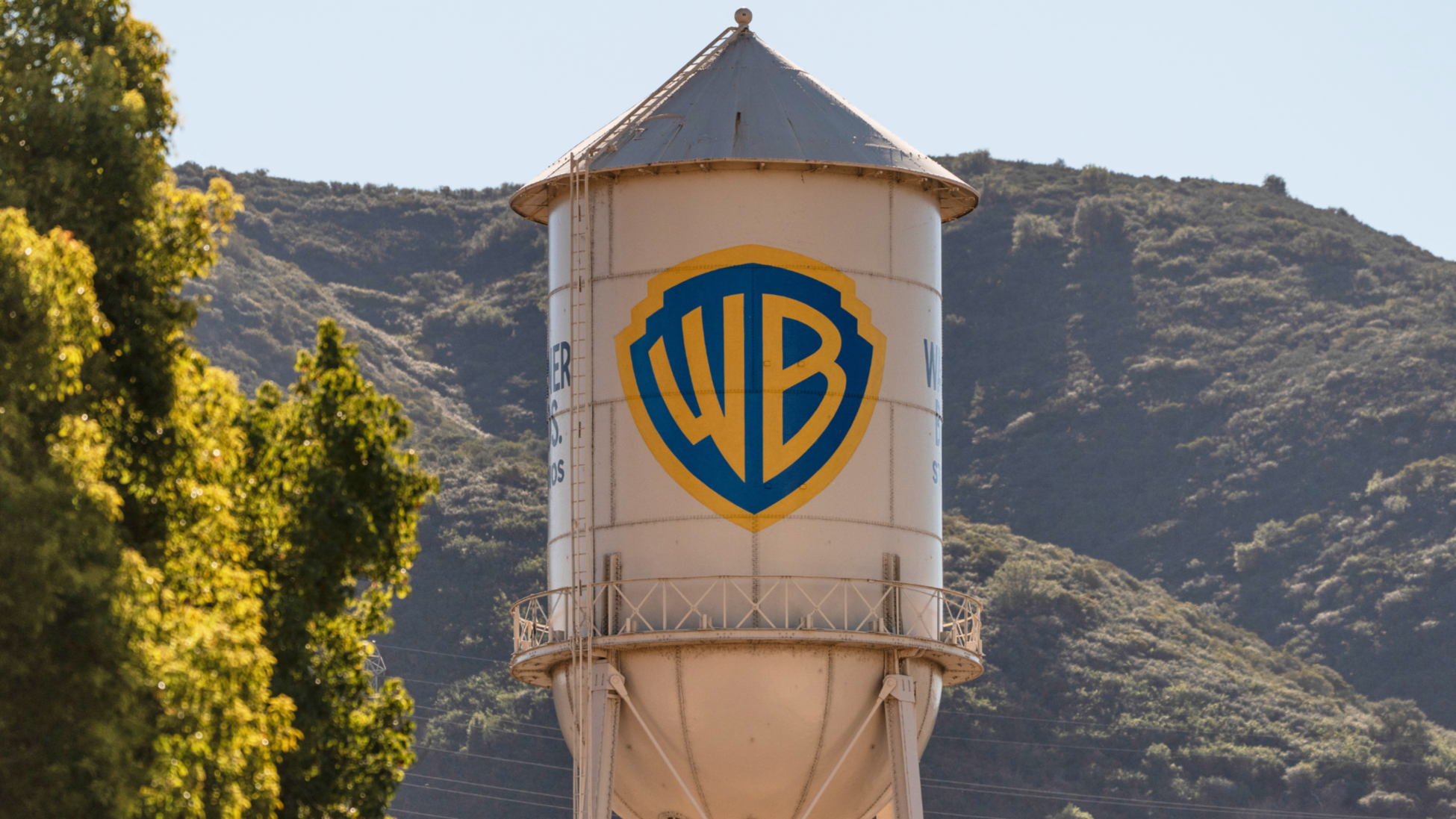
California Attorney General Rob Bonta and 11 other states filed a federal lawsuit on Monday to block the $110 billion merger between Paramount Skydance and Warner Bros. Discovery. The states allege the deal would violate antitrust laws by reducing competition in film distribution and cable television licensing, potentially harming consumers and theaters. In February, Paramount agreed to pay $31 in cash per WBD share, valuing WBD at $81 billion in equity value and $110 billion in enterprise value.
The Antitrust Challenge to the $110 Billion Merger
The legal action, filed in the U.S. District Court for the Northern District of California, marks a significant escalation in regulatory scrutiny for the media industry. The coalition of 12 states argues that the consolidation of two of Hollywood’s four major studios would lead to higher prices, lower quality, and less content for film and television, harming movie theaters, basic cable distributors, and ultimately, audiences on every sofa and movie theater seat in the U.S., according to California Attorney General Rob Bonta. Bonta noted the states were “fighting for free and fair markets, not rigged markets.”

The states’ complaint focuses on three specific market areas: the distribution of wide-release theatrical films, the distribution of anticipated top-grossing films, and the licensing of basic-cable channels. The states calculated that the combined company would hold around 27 percent of the wide-release film market, more than 30 percent of the anticipated top-grossing film market, and 27 percent of basic-cable licensing revenue. In the wide-release market, the complaint calculated that the merger would raise the Herfindahl-Hirschman Index, a measure of concentration, by 359 points to 2,074. The states said that the level was presumed to substantially lessen competition under federal merger guidelines.
Paramount’s Defense and Regulatory Proposals
Paramount has made repeated entreaties to Bonta to strike a deal that would allow its merger with Warner Bros. to close. The studio proposed a firm commitment, via a consent decree, to produce 30 films annually, with a 45-day theatrical release window and a 90-day streaming window, alongside promises to keep both Paramount and Warner Bros. lots open in California. Paramount has said that combining forces with Warner Bros. would allow the media company to tackle mounting competition for audiences, talent, and investment.
In a statement, Paramount said, “We continue to engage constructively with the remaining few regulators around the world still considering the merger, including State Attorneys General, and are prepared to address any legitimate antitrust issues.” It added: “We are confident this transaction raises no such concerns, as demonstrated by the dozens of antitrust authorities around the world that have carefully reviewed the transaction.”
Tensions Over California Corporate Presence
The legal friction has spilled over into the corporate strategy of Paramount CEO David Ellison. Reports indicate that advisors have pressured Ellison to consider moving the company’s headquarters out of California, citing an inhospitable regulatory environment. According to Semafor, confidantes have suggested reallocating a portion of the company’s $30 billion in planned annual spending outside of California if Bonta were to sue to stop the merger. “No decisions have been made, these people said, and the considerations may just be a show of brinkmanship, given so much of the industry’s production takes place outside of Hollywood already,” Semafor reported.
Bonta addressed these reports during a Monday press conference in front of Los Angeles’ Hollywood sign, characterizing the potential relocation as a “last-ditch effort to blackmail my office.” While Paramount has publicly committed to keeping both company lots operational in California under the current deal, the threat of an exodus highlights the high stakes for the state’s entertainment labor market, which has already faced a production exodus to other states—even to Canada—with thousands of entertainment jobs lost in recent years. Ellison and his executives have said that the combined Warner Bros.-Paramount would create jobs in California, helping to stymie that outflow.
Financial Stakes and Market Impact
The timeline for the merger, which is expected to close during the third quarter of this year, now faces significant uncertainty. The deal has drawn opposition from Hollywood, including actors and writers who fear job losses, as well as theater owners who worry the merger will result in fewer movies, narrowing consumer choice and eroding competition. The complaint alleges that removing one studio could strengthen the combined entity’s position in negotiations over ticket-revenue shares, release dates, and screen allocation. As the industry awaits the outcome, the focus remains on whether the combined entity will successfully integrate the operations of these two entertainment behemoths.
Find more reporting in our Entertainment section.
Worth a look

Oscar-winning actress Hilary Swank Announces Surprise Pregnancy
Oscar-winning actress Hilary Swank announced on Wednesday, October 14, 2026, that she is expecting her third child with...

Sony Adds 9 Games to PlayStation Plus Game Catalog in October 2026
Sony Interactive Entertainment announced its October 2026 PlayStation Plus lineup, bringing nine titles to the Game Catalog starting...

BBC Announces Two-Part J.K. Rowling Documentary Series
BBC Factual and BBC Scotland have commissioned a two-part documentary series examining J.K. Rowling’s literary success and her...
The Assassin(s) Movie Ignites Political Debate in South Korea
South Korea’s political and historical divisions have intensified following the September 23 release of the political thriller film...