
Christina Applegate Faces New Medical Uncertainty After MS Misdiagnosis
Christina Applegate is returning to the beginning of her medical journey after discovering her long-held diagnosis of multiple sclerosis (MS) was incorrect. The actress, widely recognized for her roles in Dead to Me and Anchorman, revealed on her podcast, MeSsy, that she is now undergoing testing for a range of other conditions, including lupus and Lyme disease. This development follows a period of significant physical decline that Applegate had previously attributed to MS, an autoimmune condition where the immune system attacks the body’s own tissues.
Lyme disease is something they should consider as it’s also something that is very hard to detect once it’s chronic.

The shift in her medical narrative comes after a seven-month hiatus from her podcast, which she co-hosts with The Sopranos star Jamie-Lynn Sigler. According to Variety, Applegate returned to the program on October 21, 2026, visibly shaken. She explained that advancements in medical technology led doctors to conclude that her previous MS diagnosis was a misclassification. While the news of not having MS might seem positive in a vacuum, Applegate noted the complexity of her situation, stating that she is not actually feeling better; rather, her symptoms are persisting or even worsening.
“We’re going in to square one, just doing some testing and going one by one of the sister-of diseases,” Applegate told her listeners, as reported by RTE.ie. She noted that conditions such as rheumatoid arthritis (RA), lupus, and Lyme disease can mimic the symptoms of MS, making the diagnostic process a slow, methodical pursuit of the truth.
The Physical Toll of an Unidentified Illness
Despite the correction in her medical records, the physical reality for the 54-year-old actress remains grueling. The discrepancy between her diagnosis and her lived experience has created a profound sense of identity crisis. Applegate expressed to her audience that she feels like a “fraud” because she has spent nearly six years living as a person with MS, an identity she has deeply integrated into her life and advocacy work.
The severity of her current physical state was detailed by TMZ, which reported that Applegate is facing daily challenges that severely limit her mobility. In a recent episode of MeSsy, she shared a startling metric of her decline: it recently took her a full 10 minutes just to move off her pillow and get out of bed. She further disclosed that she now relies on a walker to navigate her home, a necessity she noted she never previously required. This physical deterioration underscores the urgency of her current diagnostic search, as the true cause of her symptoms remains unknown.
A Timeline of Diagnosis and Advocacy
Applegate’s journey from a prominent comedic actress to a dedicated health advocate has been defined by her transparency regarding her health. The following timeline outlines the major milestones of her recent medical history:

- August 2021: Applegate publicly announces her diagnosis of multiple sclerosis (MS).
- 2022: Following the conclusion of the third and final season of Dead to Me, Applegate announces her retirement from acting.
- October 2026: Applegate reveals via the MeSsy podcast that new technology has proven her MS diagnosis was incorrect.
- Late October 2026: Testing begins for “sister diseases,” including lupus, Lyme disease, and rheumatoid arthritis.
The Burden of Advocacy and Identity
For years, Applegate has been a vocal champion for the MS community, using her platform to spread awareness and support those living with the disease. The revelation of her misdiagnosis has created a unique emotional tension between her personal health and her public role. She expressed a sense of guilt toward the community she has championed, telling Variety that she felt she had “let everybody down.”
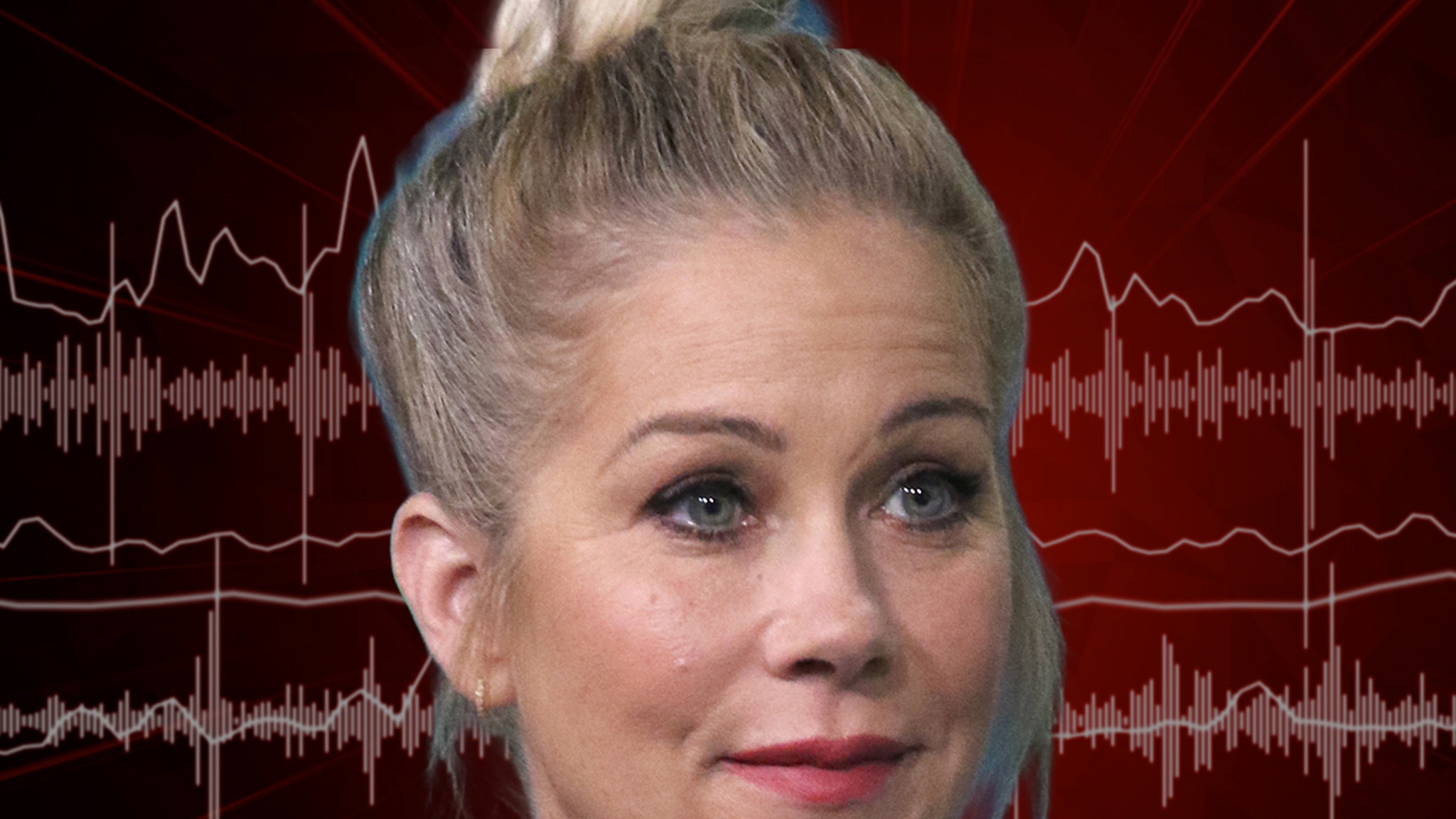
However, Applegate has been quick to clarify that her connection to the MS community remains intact. She told her co-host, Jamie-Lynn Sigler—who was diagnosed with MS in 2001—that the people in that community are still “her people.” She emphasized her commitment to continued advocacy, stating, “I’m still your warrior, and I’m still going to speak out on your behalf forever and ever. Despite not having MS. I still feel like part of this community.”
Medical Complexity and the Diagnostic Gap
The difficulty in distinguishing between various autoimmune and inflammatory diseases is a well-documented challenge in clinical neurology and rheumatology. As Applegate noted, the symptoms of rheumatoid arthritis, lupus, and Lyme disease frequently overlap with those of MS, often leading to diagnostic errors when symptoms are non-specific or presented in isolation. This “square one” scenario highlights the limitations of even advanced diagnostic protocols when faced with complex, multi-systemic symptoms.
For the American consumer and the broader entertainment industry, Applegate’s situation serves as a stark reminder of the volatility of health-related narratives in the public eye. In an era where celebrity health journeys often drive significant social media engagement and brand equity for wellness platforms, the reality of a misdiagnosis serves as a sobering counter-narrative to the often-linear stories of recovery and triumph. Her transition from a high-profile acting career to a focus on health advocacy reflects a broader cultural shift toward more raw, unvarnished depictions of chronic illness, moving away from the sanitized versions often seen in traditional media.
As the testing continues, the primary question remains: what is the actual driver of Applegate’s declining mobility? Until a definitive diagnosis is reached, her struggle remains a testament to the unpredictable nature of autoimmune health and the profound impact of a misclassified identity.
Disclaimer: The cultural analyses and financial data presented in this article are based on available public records and industry metrics at the time of publication.
Related reading

Julia Stiles eliminated from Dancing With the Stars Disney Night
Julia Stiles and professional partner Ezra Sosa were eliminated from Dancing with the Stars on Monday, November 2,...

Diesel Prices Drop While Petrol Prices Remain Steady in South Africa
South African motorists will see virtually no change at the pump for petrol while wholesale diesel prices drop...

Stacey Solomon Slams Outrageous Media Intrusion and Says Being Stalked Should Be Illegal
Stacey Solomon Calls Media Intrusion at Pickle Cottage "Outrageous" "To me that’s no longer of public interest," Stacey...

Baked by Melissa Launches Bite-Size Cupcake Kits at Target for $7.99
Baked by Melissa is stepping out of the bakery and into the baking aisle, launching its bite-size cupcake...