
Columbia University’s iron gates will remain locked to the surrounding Morningside Heights community, a Manhattan judge ruled last week, effectively ending a year-long legal battle to restore public access to the campus walkway known as College Walk.
Judge David Cohen's decision favors the university, which has maintained strict security protocols since October 2023. The lawsuit, brought by neighborhood residents, sought to force the university to reopen the pedestrian path on West 116th Street between Broadway and Amsterdam Avenue.
In a ruling defining the boundaries of private property rights, Judge Cohen dismissed the residents' claims, stating that the plaintiffs had "no right" of access to the thoroughfare. The court found that even if Columbia had historically permitted unrestricted public use of the walkway, that past practice did not constitute an irrevocable legal entitlement for the public to continue entering the campus.
Toby Golick, the attorney representing the Morningside Heights residents, said that she and her clients were very disappointed in the decision and planned to appeal, as reported by the New York Daily News.

The tension over the gates traces back to the autumn of 2023, when university officials first restricted access following the onset of campus protests. The situation intensified in the spring of 2024, when anti-Israel demonstrators established encampments on the university lawns. Those actions necessitated police intervention and solidified the school’s decision to maintain a high-security perimeter, requiring a Columbia-issued ID for all students and faculty seeking entry.
For the residents who filed the lawsuit, the closure represents more than just a loss of a shortcut. The plaintiffs argued that a 1953 agreement, which saw the city transfer the street area to the university, implicitly preserved public access. They also contended that the continued closure violates disability law, as the restricted access forces older and disabled residents to take long, cumbersome detours to circumvent the campus.
Judge Cohen’s ruling, however, was decisive regarding the 1953 contract. The court found nothing in the original agreement that granted the public a right to use the walkway. According to the ruling, “Even if Columbia previously granted unrestricted public access to College Walk, as it remained their private property, nothing prevented them from restricting access at any time.”
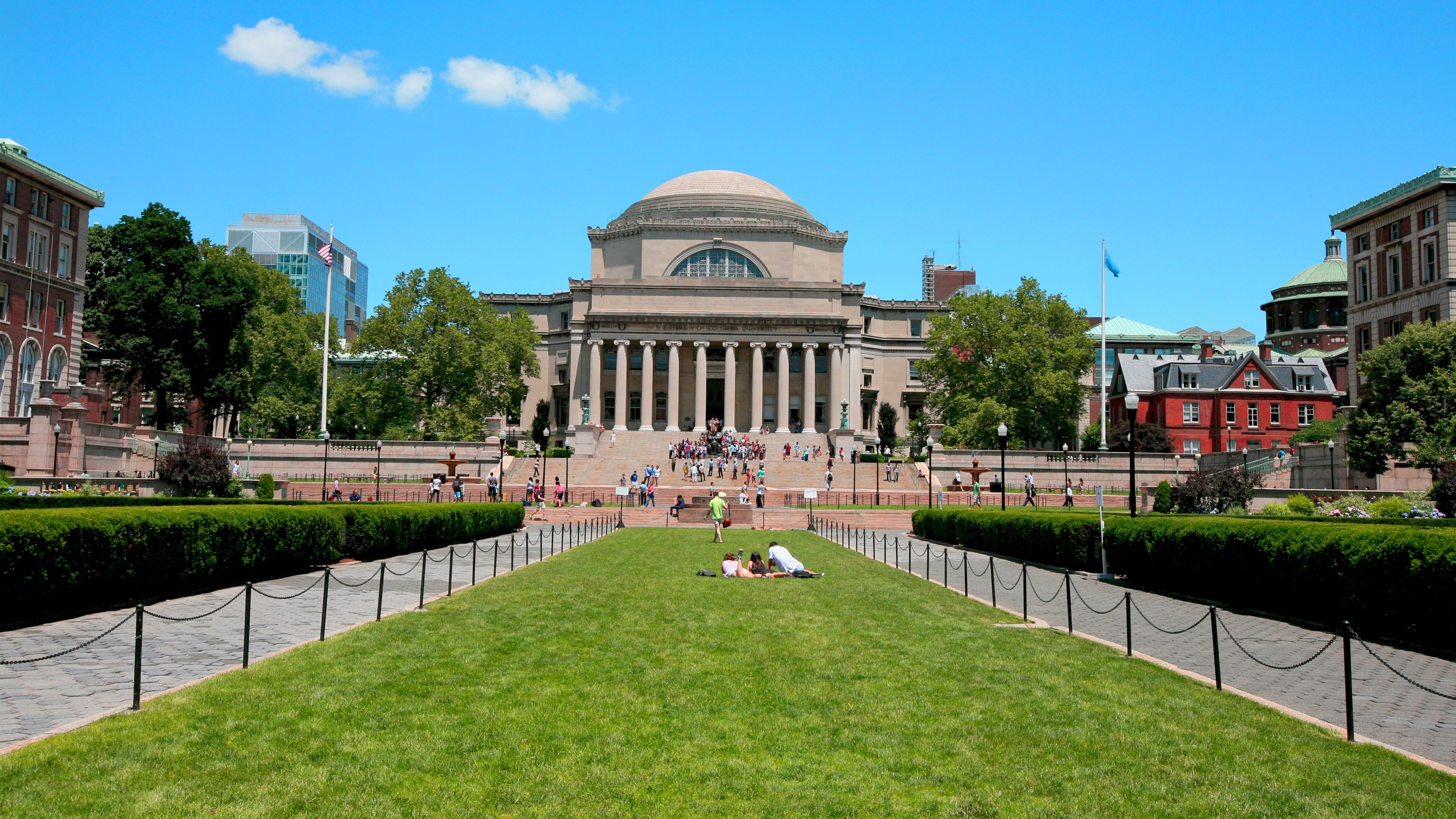
The legal defeat follows a period of heightened political pressure regarding the university’s relationship with its neighbors. Zohra Mamdani, who grew up in the neighborhood and is the son of a Columbia professor, threatened in September to take legal action against Columbia if they did not open their gates. Despite that pressure, the court has now affirmed the university’s authority to regulate its own grounds.
A spokesperson for Columbia University welcomed the ruling, telling the Columbia Daily Spectator that the administration is pleased by the court’s recognition that College Walk remains private property.
For now, the gates remain under lock, key, and the watch of security guards. While the residents have expressed their intent to appeal, the current judicial order maintains the status quo.
Keep reading

How to Watch Kennesaw State at No. 18 Alabama Basketball – Yahoo Sports
Alabama basketball is officially hitting the road, but first, they have one more business trip to handle in...

Wyoming SUN Bucks Report Shows Success in Summer Food Assistance
The Wyoming Department of Family Services released a final report outlining the outcomes of the SUN Bucks program,...

Milwaukee Hemp Businesses Face Stricter Federal THC Limits in December
A new federal law taking effect on December 11 will impose stricter THC limits on hemp-derived products, forcing...

WV State Parks Foundation Launches $220,000 Trail Improvement Campaign
State park trails across West Virginia face mounting maintenance backlogs as a newly launched private fundraising campaign seeks...