
The People’s Consultative Assembly (MPR) has set a special plenary meeting for Dec. 9 to name and swear in Indonesia’s fresh vice president after Gibran Rakabuming Raka stepped down, thereby delaying the timeline initially expected.
MPR Speaker Ahmad Muzani said that the calendar was adjusted after the legislative body obtained a communication from President Prabowo Subianto concerning an adjustment to when the special plenary meeting would take place. The assembly has also given Prabowo until Nov. 25 to submit the names of two vice presidential candidates.
“At the joint meeting, we agreed that Wednesday, Dec. 9, 2026, would be the date for the plenary session,” Muzani told reporters at the parliamentary complex in Jakarta.
The gathering on Dec. 9 will represent a landmark event in the constitutional history of post-reform Indonesia, wherein the nation’s incoming vice president will be picked by the assembly rather than via a countrywide vote. Muzani said the session would cover the election, formal confirmation, and inauguration of the new vice president.
Muzani pointed out that the charter mandated the president to put forward two contenders, and the MPR would subsequently choose the new vice president from that pair. He conceded that the transfer of power marked a never-before-seen constitutional procedure for Indonesia since direct presidential ballots began in 2004.

“This is indeed a new experience in our constitutional practice. This is the first time under the current system that a vice president will be elected by the assembly, so adjustments and more thorough preparations are necessary,” Muzani said.
Based on Article 8(2) of the 1945 Constitution, should the vice presidency become empty, the MPR is required to assemble within a 60-day window to select a successor out of a pair of applicants named by the president. This regulation, which came into effect through a 2001 constitutional amendment, has never been utilized previously to fill a vacant vice presidency.
Gibran, the eldest son of former President Joko Widodo, stepped down on Nov. 12 due to personal considerations, following decisions rendered by Indonesia’s top two courts regarding the legitimacy of the educational equivalency paper he relied upon to run in the 2024 presidential race.
Gibran has steadfastly claimed that his departure had nothing to do with the diploma dispute, asserting that he holds complete and authentic graduation records for all phases of his schooling. He had previously said he wanted to avoid prolonging political controversy over the issue.
More on Consultative Assembly
Worth a look

How Napping Patterns May Predict Health Risks and Mortality in Older Adults
For millions of older adults, a mid-day rest is a cherished ritual, a quiet pause to recharge in...

Why Sleep Matters When It Comes to Weight Gain and Loss – NPR
If you want to maintain a healthy weight, you probably know you should watch what you eat and...

Bouchaker to Be Sentenced Over Parnell Square Attack
“I hope whatever god you believe in doesn’t forgive you, because harming innocent children is simply unforgivable,” Leanne...
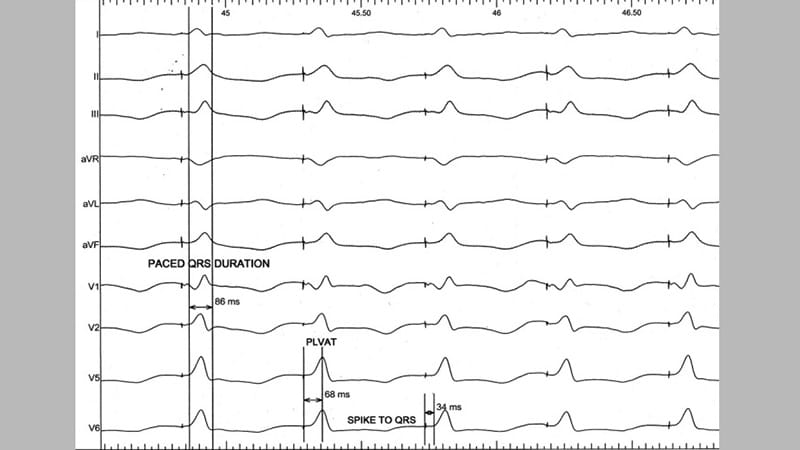
LBBP Superior to RVP in Reducing Heart Failure and Cardiomyopathy Risk
Left bundle branch pacing reduces deaths, heart failure hospitalizations, and pacing-induced cardiomyopathy compared with traditional right ventricular pacing...