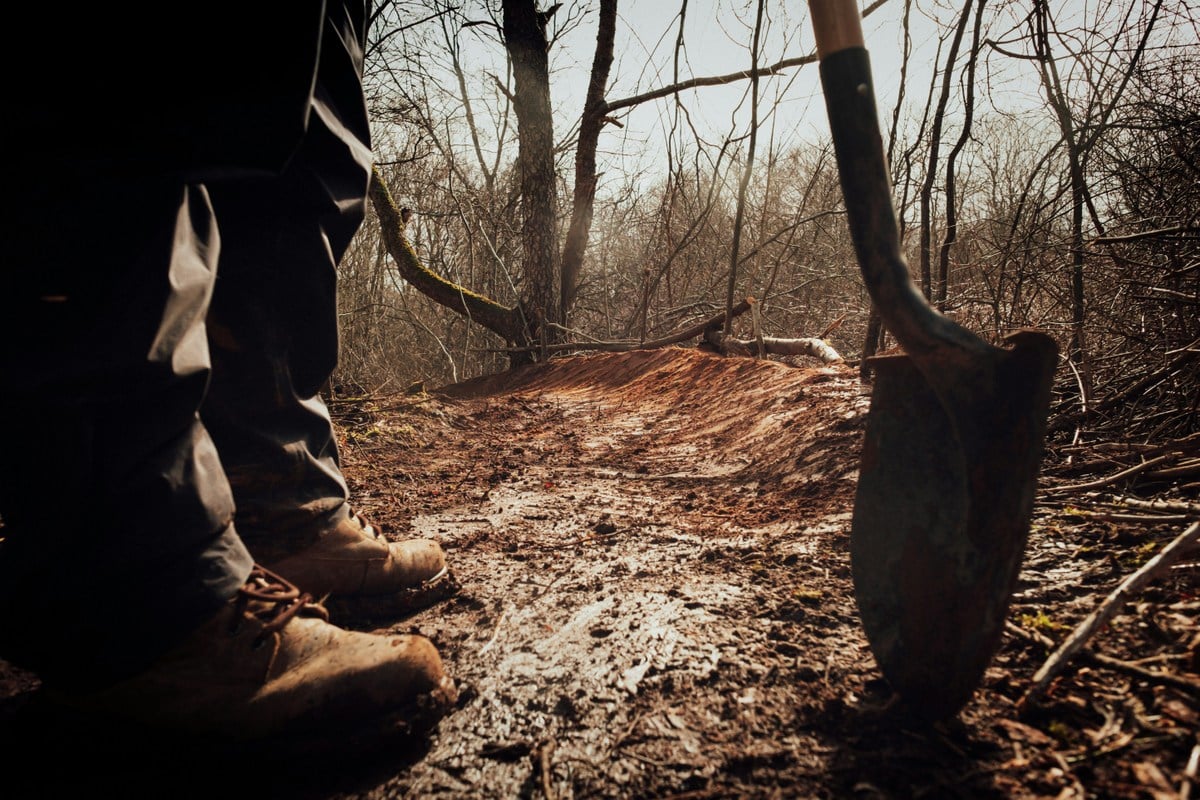
State park trails across West Virginia face mounting maintenance backlogs as a newly launched private fundraising campaign seeks to raise more than $220,000 over the next year.
The West Virginia State Parks Foundation announced the statewide initiative on November 11, 2026, according to the West Virginia Explorer. The campaign seeks private donations to repair deteriorating paths, improve accessibility, and purchase equipment for maintenance crews operating across the state park system.
Brad Reed, executive director of the nonprofit foundation, said that maintenance needs frequently take a back seat to other budgetary demands. Some estimates place total maintenance, equipment, and project needs throughout the state park system at approximately $260 million.
“Almost every park needs additional funding to help support trail costs,” Reed told West Virginia Explorer. “Agency prioritization of funding often must push trail work to the back burner.”
The current drive follows a yearlong fundraising effort that generated $110,000 for playground improvements. Foundation leaders hope to double that figure for trails during this new campaign cycle.
The initiative carries two primary objectives. To begin with, the foundation intends to allocate funding for trail work selected by groups supporting individual forests and state parks, working alongside the West Virginia Division of Natural Resources. Potential improvements include drainage repairs, erosion control, bridge rehabilitation, trail resurfacing, improved signs, and accessibility upgrades.
Donors may designate the specific park or forest they wish to support, and the foundation will honor those requests. Most project work will begin after the one-year fundraising window closes, though significant problems requiring more immediate attention may be addressed sooner.
The second objective focuses on outfitting maintenance crews with heavy equipment that can be shared regionally across West Virginia’s 35 counties. Noting that the Division of Natural Resources brought on a statewide trail coordinator years ago and set up similar roles at select larger recreation sites, Reed pointed out that these personnel still require extra support to carry out large development initiatives.

Related reading

Hartford Home With Children Inside Struck by Gunfire – NBC Connecticut
Gunfire struck a Hartford home on Saturday, hitting a residence where an 80-year-old woman and her three grandchildren...
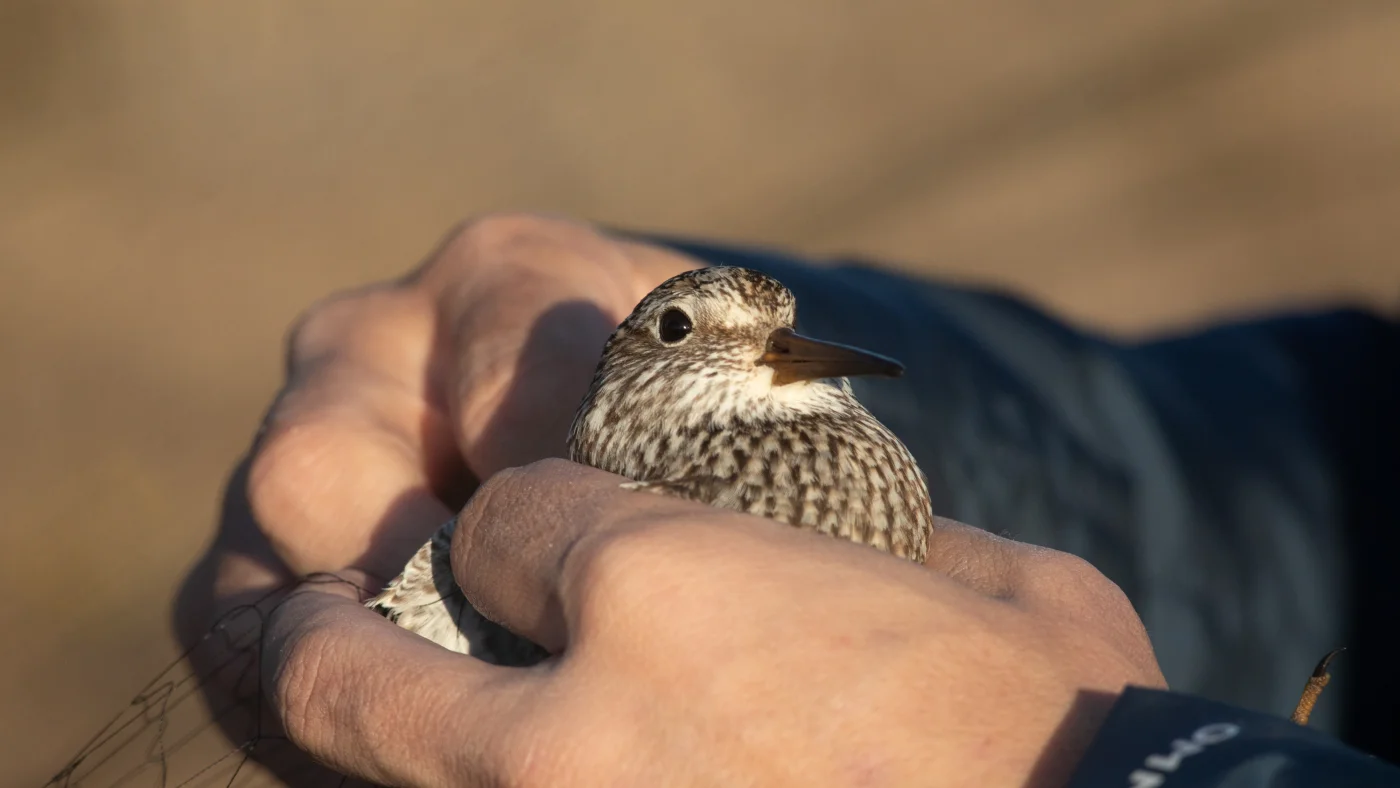
What Super-Athlete Birds Are Revealing About Climate Change – NPR
Pectoral sandpipers and other shorebirds are facing severe population declines as warming Arctic temperatures cause their migratory patterns...

California Colleges Lose International Students at Twice the U.S. Rate – Los Angeles Times
California, long the primary gateway for international students seeking a U.S. education, has ceded its top-tier status. Data...

New Arkansas Museum Chronicles Worst Maritime Disaster in US History
On April 27, 1865, the steamship Sultana exploded on the Mississippi River, claiming nearly 1,200 lives in the...