
Columbus City Council Approves Gateway Fund, Clearing Path for Plaza Redevelopment
The Columbus City Council voted 6-3 on Tuesday to dissolve the existing Railroad Overpass Fund and establish a new Gateway Entrance Fund, a decisive move that unlocks approximately $3.24 million for downtown improvements. This legislative shift effectively repurposes surplus capital from the State Road 46 railroad overpass project—completed in 2020 on time and under budget—to finance the $2.6 million redevelopment of Gateway Plaza and associated safety enhancements at Mill Race Tower.
The decision settles a complex financial puzzle for city leadership. Under a 2017 ordinance, the original fund was earmarked to return unused capital to the project’s various contributors. However, city officials, led by Mayor Mary Ferdon and the local redevelopment commission, worked to secure agreements to redirect those resources. As reported by the City of Columbus, the city successfully negotiated the transfer of funds from most partners, with the notable exceptions of Bartholomew County and CSX, whose contributions are being handled separately.
Balancing Maintenance Obligations and Urban Vision
The path to approval was far from unanimous. While the Merritt Chase design for the plaza—selected following a 2024 request for proposals—garnered praise for its aesthetic appeal, council members remained divided on the long-term fiscal responsibility of the project. Council President Kent Anderson, along with Elaine Hilber and Jerone Wood, cast the dissenting votes. Their concerns centered on the city’s existing maintenance burden and the preference for returning surplus funds to their original sources as established by previous policy.
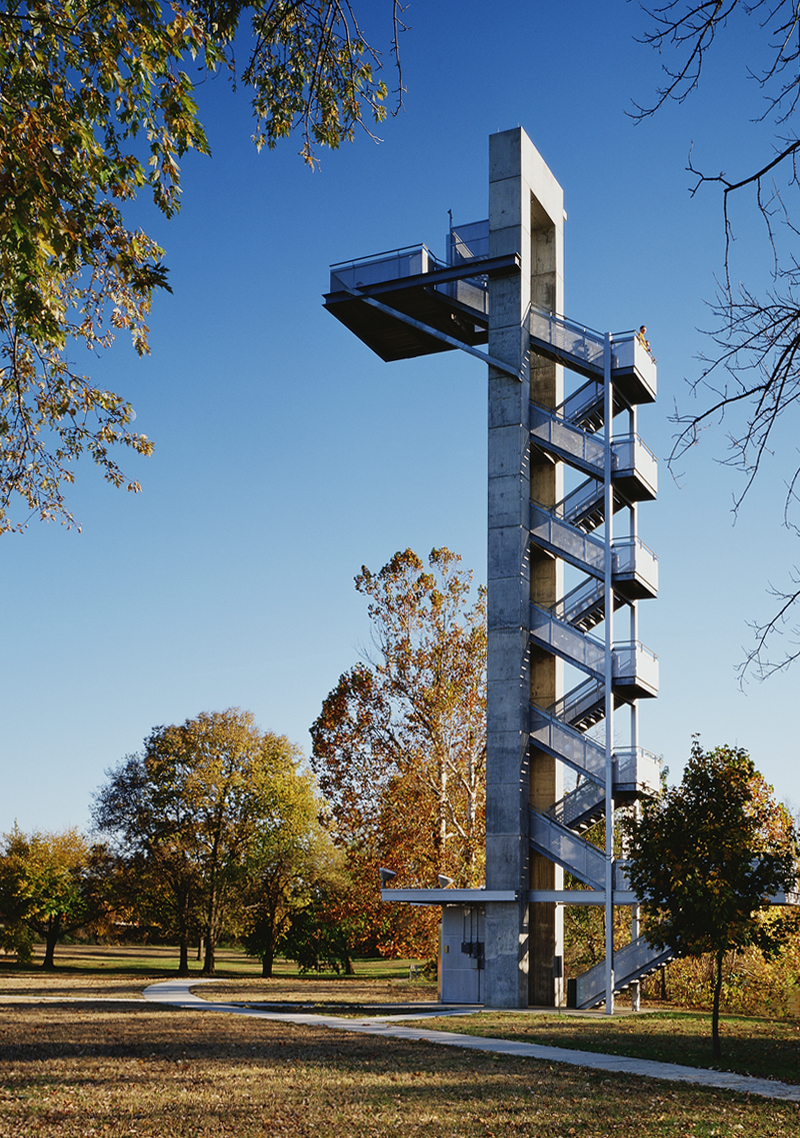
Proponents, including Councilmen Tom Dell and Jay Foyst, argued that the project is a vital component of the city’s Downtown 2030 plan. The argument for the redevelopment rests on the idea of “reactivating” the downtown core. For local business owners, the stakes are tangible. John Pickett, a downtown business owner, testified during public comment that investing in public spaces is a necessary step for the continued vitality of the city’s commercial center.
The Human Stakes of Public Space
Beyond the technical debates over capital allocation, the project has taken on a significant symbolic weight. The proposed plaza may bear the name of the late Robert Garton, who served as the president pro tempore of the Indiana Senate from 1980 to 2006. During the public comment session, his children, Brenda and Brad Garton, expressed their support, noting that their father would have been honored by the creation of a permanent, beautiful green space in the city he served for decades.
The practical reality of the project is that it has already undergone significant refinement. The initial concept for the plaza carried a price tag of $4.7 million. Through a rigorous process of value engineering and scope reduction, the city managed to bring the cost down to $2.6 million, a figure local officials believe is sustainable. According to reporting by localnewsdigital.com, the approved funding plan allocates $2.9 million for capital improvements, with the remainder of the transferred funds supporting maintenance and preservation efforts.
Not every resident is convinced of the necessity. Critics like Tori Reynolds questioned whether the plaza would see sufficient public use to justify the expenditure, highlighting a recurring tension in municipal government: the choice between funding new, ambitious civic projects and maintaining the existing infrastructure that residents rely on every day. By moving forward, the council has opted for a strategy of growth, betting that the revitalized Gateway Plaza will serve as a centerpiece for the city’s evolving downtown landscape.

North Dakota and Minnesota probate limits depend on estate value
Probate becomes a legal requirement in North Dakota and Minnesota when a deceased person leaves behind real estate...
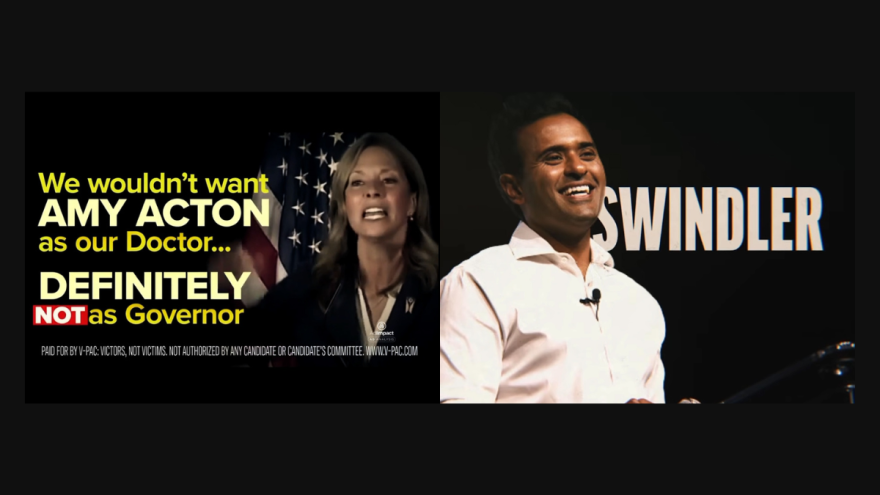
Vivek Ramaswamy Faces Backlash Over Amy Acton Attack Ad
The Political Fallout of the Ramaswamy Ad Campaign In the final stretch of the 2026 Ohio gubernatorial race,...
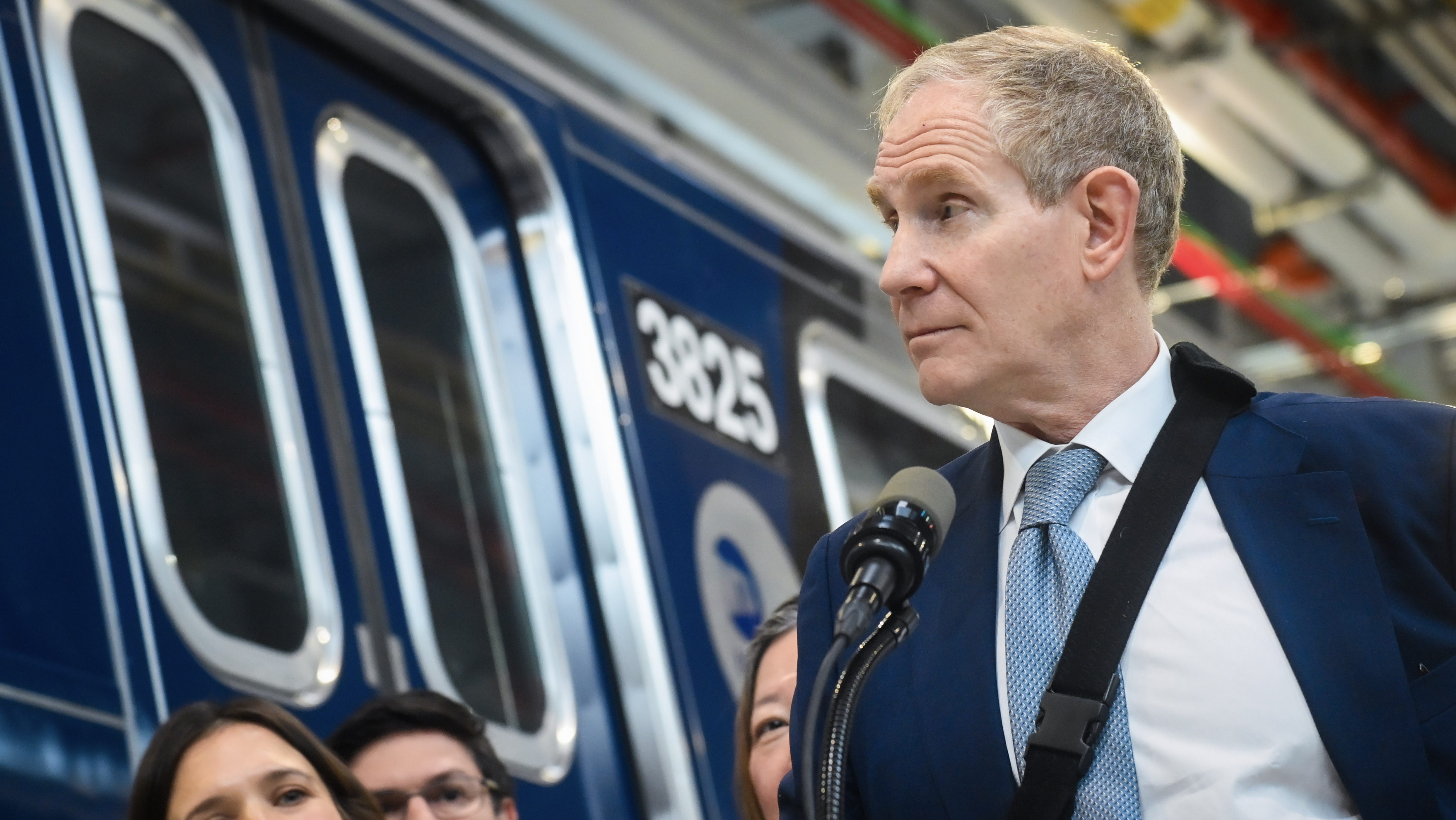
MTA Urges Congress for Reliable Funding and Tariff Relief
The MTA’s Post-Election Wishlist for Congress Following the results of Tuesday’s national election, which handed Democrats a firm...

Deb Haaland elected governor as Colorado flooding causes detours
New Mexico is entering a new chapter of governance following this week’s election results, which solidified a Democratic...