
In a column for The Portland Press Herald, a columnist argues that the Portland City Council’s Housing and Economic Development Committee bungled the Back Cove Music Festival contract review last fall, causing organizers to cancel the 2026 event and ultimately terminate the three-year agreement.
The inaugural festival at Payson Park in August 2025 drew about 12,000 attendees each day, below the agreed 12,500-person cap, yet the columnist writes that the event ran smoothly and earned rave reviews. Organizers said they needed capacity raised to 15,000 to make the festival financially sustainable, but the city signaled it was unlikely to approve the increase.
The committee’s extended deliberations pushed the timeline past the point where producers could mount a 2026 edition, and in January they announced the second year would be skipped with hopes of returning in August 2027.
“After careful consideration, we’ve determined that the current capacity limit does not support a financially sustainable long-term model for the festival that benefits all parties,” Shore Sound Entertainment owner Jordan Wolowitz and GoodWorks Entertainment co-founder David Rosenfeld wrote in an email to Portland Parks, Recreation and Facilities Director Ethan Hipple.
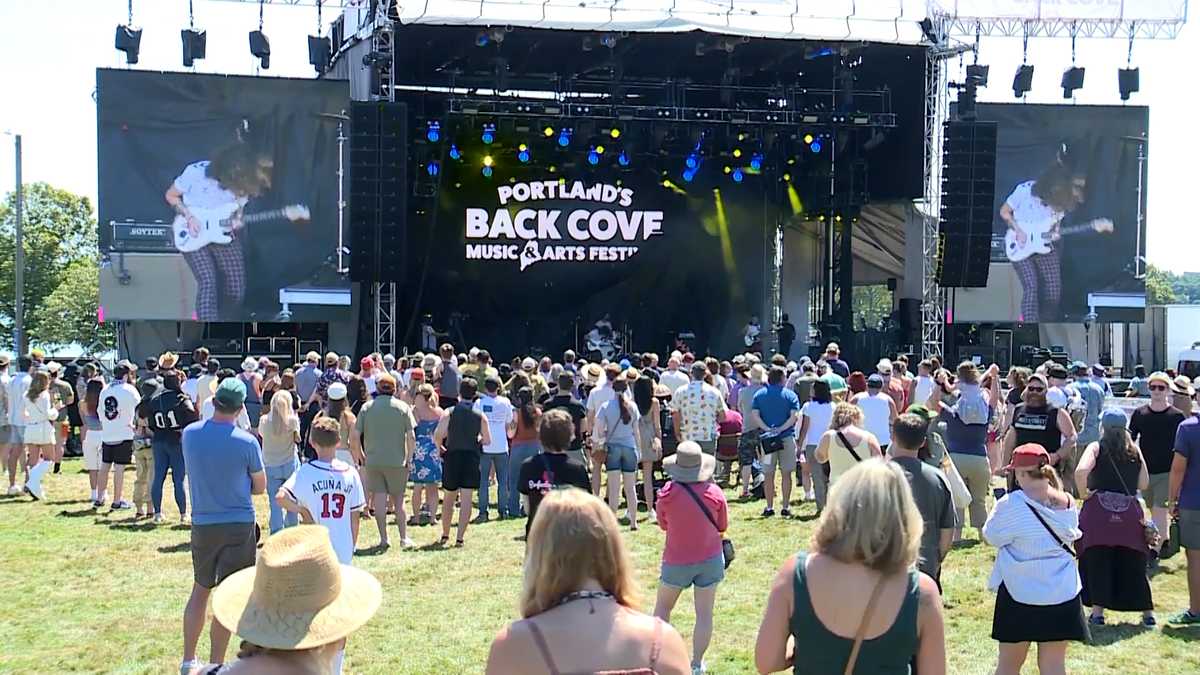
The city attorney, Michael Goldman, subsequently informed Mayor Mark Dion and the council that organizers had deemed the event “not financially viable and that they will not be moving forward with it.” A termination agreement is now being drafted for the producers to sign.
“We truly appreciate all the time, effort, and support you and the entire city dedicated to the festival. It has been a pleasure working with you, and we hope to have the opportunity to work together again in the future.”
Wolowitz and Rosenfeld wrote in their email to Hipple.
The columnist notes that the three-year contract, unanimously approved in October 2025, already included an increasing city share of ticket sales up to $2 per ticket and a $100,000 annual payment to the Portland Parks Conservancy.
Revenue from the first festival funded safety upgrades at Payson Park, including new bike lanes and speed bumps. Committee negotiations added a higher noise deposit — $5,000 up from $1,000 — and a requirement for council approval before any transfer of the festival agreement.
Payson Park occupies 47.5 acres along Back Cove in Portland’s Back Cove neighborhood, bordered by Ocean Avenue and Baxter Boulevard. Portland purchased the former Payson estate from William Martin Payson for $26,262 in 1917; the property had belonged to Rev. Edward Payson, a prominent Congregationalist preacher. A 1921 bequest of $2,500 funded the park’s entrance and gates.
The Longfellow Arboretum, a 2.5-acre collection named for the Portland-born poet Henry Wadsworth Longfellow, was created on donated city land using a bequest from Mrs. Clifford Leys. In 2008, Payson Hill Terrain Park formalized the hill for free skiing and sledding lessons, the only municipal park in the United States to offer them.
“There was nothing here worth thwarting what should have been a hallmark annual event for the city,” the columnist writes. The piece argues that a second year would have given officials real data on crowd impacts and likely would have sold out after the strong debut, whereas the cancellation leaves only memories and those new speed bumps.
Keep reading
NH Environmental Officials: Drought Worsening, No Improvement Until Spring
"We see how low the rivers are," said Ted Diers, assistant director of the Water Division at the...

Evers Appeals FEMA Denial of Hazard Mitigation Funds After Wisconsin Storms
“It is imperative that the Hazard Mitigation Grant Program is added to this declaration so the communities in...

Indiana Thanksgiving Dinner Costs Dropped 8% This Year
Indiana Thanksgiving dinner costs dropped 8% this year as turkey prices fell sharply, pushing the average meal for...

Cranston Stabbing Suspect Returned to RI, Faces Arraignment Friday in Maserati Attack
David Mendez, a 55-year-old Cranston man accused of stabbing a 46-year-old acquaintance inside a Maserati on Park Avenue...