
CommonSpirit Health is advertising registered nurse positions across Washington state, part of a broader push by one of the nation’s largest nonprofit health systems to staff its hospitals and clinics amid a persistent national shortage.
The listings, posted on the organization’s careers portal, carry the standard equal-opportunity language required of federal contractors but also outline specific compliance steps — background checks, drug screens, and pay-transparency protections — that shape how candidates move from application to offer.
The postings note that external hires must pass a post-offer, pre-employment background check and drug screen. Qualified applicants with an arrest or conviction record will be considered in a manner consistent with federal and state laws, including local “ban the box” ordinances such as those in San Francisco and Los Angeles.
The language signals that CommonSpirit, which operates facilities in more than 20 states, is aligning its Washington hiring with the patchwork of fair-chance statutes that have spread across the West Coast.
“We will not discharge or in any other manner discriminate against employees or applicants because they have inquired about, discussed, or disclosed their pay or the pay of another employee or applicant,” the notice says, quoting the regulatory text at 41 CFR 60-1.35(c).
That provision, enforced by the Office of Federal Contract Compliance Programs, bars federal contractors from retaliating against workers who share compensation information — a rule that has gained new attention as pay-transparency laws take effect in Washington, California, and Colorado.
The system also participates in E-Verify, the federal electronic employment-eligibility program, and directs applicants who need a reasonable accommodation under the Americans with Disabilities Act to call (415) 438-5575. The phone line is reserved solely for accommodation requests; other inquiries are not returned.
The notice lists the full spectrum of protected classes — race, color, religion, sex, sexual orientation, gender identity, national origin, age, disability, marital status, parental status, ancestry, veteran status, genetic information — mirroring the language the OFCCP requires of every covered contractor.
Washington’s nursing market remains tight. The state Employment Security Department projected roughly 5,300 annual openings for registered nurses through 2030, driven by retirements and pandemic-era burnout. The postings do not disclose salary ranges, though Washington’s 2023 pay-transparency law requires employers with 15 or more employees to include wage scales in job advertisements.
A spokesperson for CommonSpirit declined to comment on specific vacancy numbers or starting wages for the Washington roles. The organization’s careers site directs applicants to search by keyword and location; the RN listings appear under the “Nursing” job family with filters for full-time, part-time, and per-diem schedules.
The hiring push comes as CommonSpirit continues to integrate its operations after the 2019 merger of Catholic Health Initiatives and Dignity Health. The combined system reported $33.9 billion in operating revenue for fiscal 2023 and employs more than 150,000 people nationwide. Its Washington footprint includes acute-care hospitals, urgent-care centers, and affiliated physician practices stretching from Bellingham to the Oregon border.
For applicants with criminal records, the explicit reference to San Francisco and Los Angeles fair-chance ordinances — even in Washington postings — reflects a compliance strategy built for the strictest standard in the company’s multi-state footprint.
“Ban the box” laws generally prohibit asking about criminal history on initial applications and delay background checks until a conditional offer is made. Washington enacted its own Fair Chance Act in 2018, which applies to public and private employers alike.
The pay-transparency clause, quoted directly from the Code of Federal Regulations, underscores a shift in leverage toward workers. Since 2022, Washington has required employers to provide wage scales to applicants upon request and to employees upon hire, promotion, or transfer.
The federal contractor rule goes further, protecting voluntary discussions about pay among coworkers — a provision the National Labor Relations Board has also defended under the National Labor Relations Act for most private-sector employees.
Nurses represented by the Washington State Nurses Association work under collective-bargaining agreements at several CommonSpirit facilities. The union has negotiated staffing ratios, tuition reimbursement, and retention bonuses in recent contracts. The job postings do not indicate whether the advertised positions are union-represented; applicants are directed to the specific facility’s human-resources office for details.
CommonSpirit’s equal-opportunity notice ends with a reminder that the organization “will accommodate the needs of any qualified candidate who requests a reasonable accommodation under the Americans with Disabilities Act.” The ADA requires employers to engage in an interactive process with applicants who disclose a disability; the dedicated phone line is one mechanism for starting that dialogue.
Related reading

Cuevas Tied for Seventh in Utah Tech Record Book With Three Game-Winning Goals
Samir Cuevas enters his senior season tied for seventh in Utah Tech’s career record book with three game-winning...

LaRose Couldn’t Decide on Provisional Ballots in Hamilton and Delaware Counties
Hamilton county ballots remain in limbo after Frank LaRose declined to break partisan ties over provisional votes on...

Colorado Moms Put Down Camera And Get In The Picture This Holiday Season
Colorado moms need to put down the camera this holiday season, as an essay for the Colorado Sun...
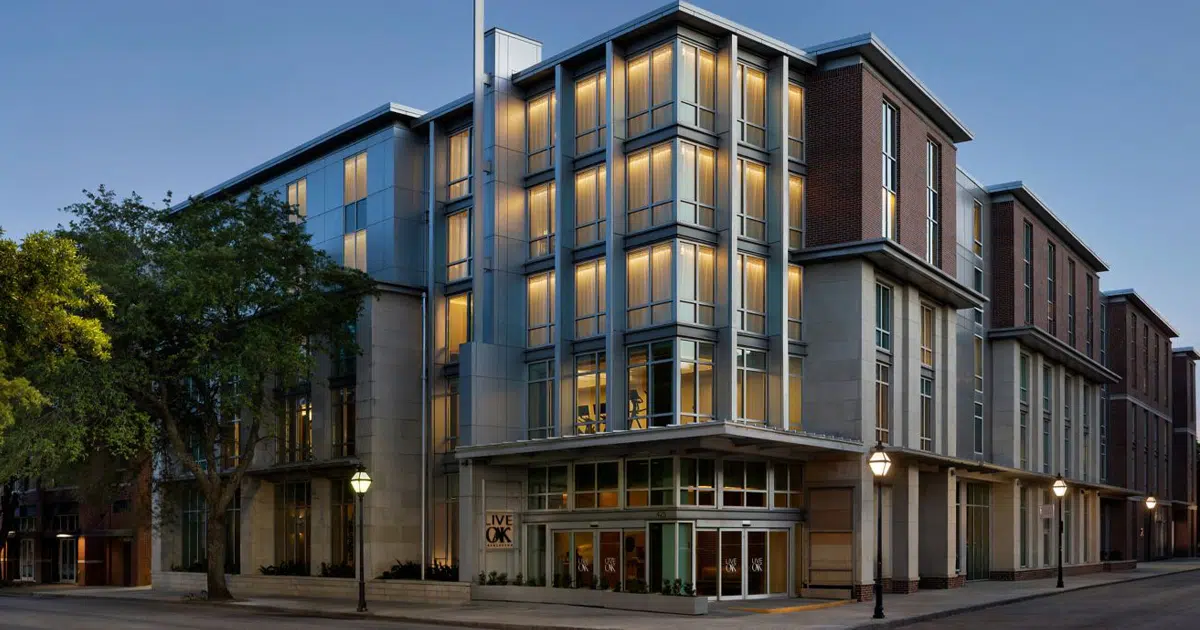
Live Oak Charleston: A New Luxury Boutique Hotel in the Historic District
Charleston's newest hotel opened for bookings in April 2026 on Meeting Street, planting a 120-room Marriott Tribute Portfolio...