
“If we don’t stop this outbreak now, it will be the worst Ebola outbreak that the world will have,” said Jean Kaseya, director-general of the Africa Centres for Disease Control and Prevention (Africa CDC), in a statement reported by Reuters on Sunday.
Six months after the disease was first declared in the Democratic Republic of Congo (DRC), the virus is moving with a velocity that health officials now describe as wildfire, leaving a trail of more than 11,200 cases and 5,500 deaths in its wake.
The current situation is the second-largest and second-deadliest Ebola outbreak on record, behind only the 2014–2016 West African epidemic. By the time authorities officially announced the emergency on May 15, 43 people had already died, suggesting the virus had been circulating undetected for some time. Today, the disease has infiltrated eight of the country’s 26 provinces, and officials fear it is on track to surpass the death toll of the 2014–2016 West African epidemic.
A Fragmented Response and Missing Resources
Containment efforts are currently hampered by a troubling lack of coordination and significant financial gaps. While donors have pledged $2.9 billion to combat the spread, only $1.3 billion has actually been released, a situation Kaseya labeled a “collective failure.” The logistical strain is further compounded by reports of over $700 million in aid remaining unaccounted for, a discrepancy that has drawn sharp criticism from humanitarian groups like Doctors Without Borders (MSF).
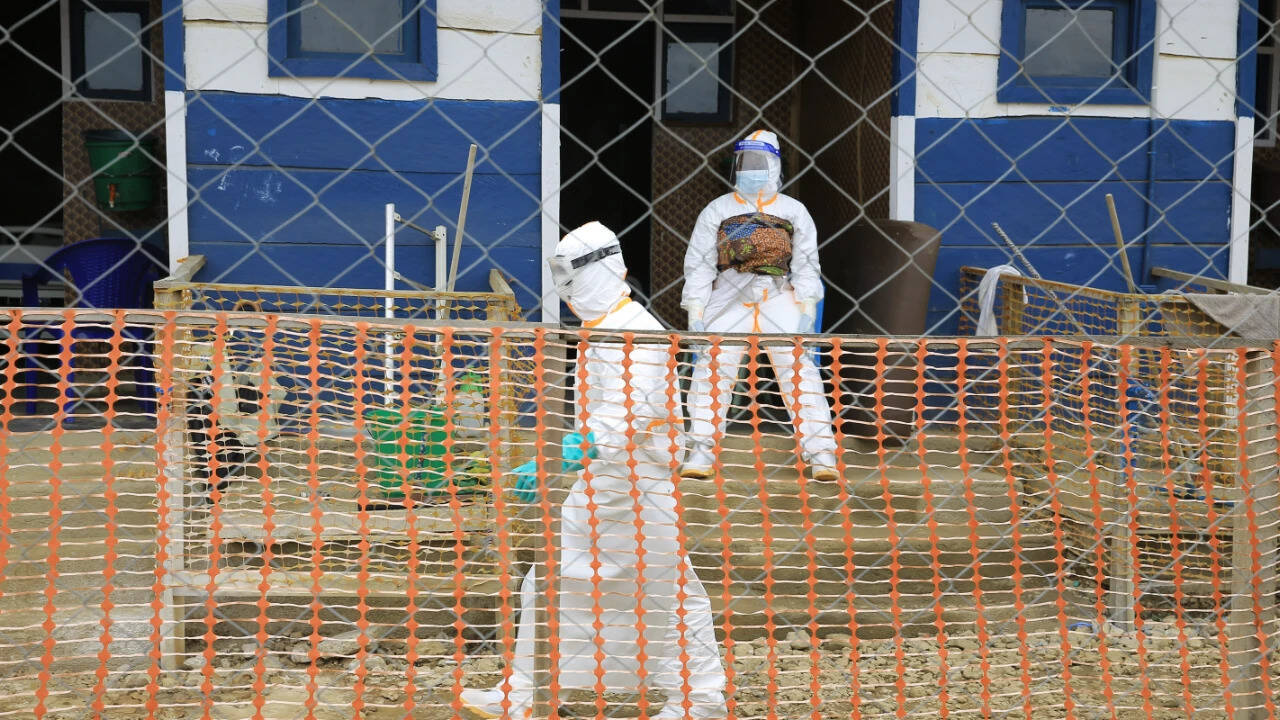
The operational reality on the ground is equally dire. “80 percent of new cases emerge outside contact lists and over 65 percent of deaths” Kaseya, director-general of the Africa Centres for Disease Control and Prevention (Africa CDC), said told Reuters.
This lack of oversight extends to the final stages of the disease; over 65% of deaths are occurring within communities, often involving traditional burial practices that lack specialist supervision and significantly increase the risk of further transmission.
The Disproportionate Impact on Children
Younger populations are bearing the brunt of this health emergency. Data from UNICEF, covering the period through November 4, indicates that children account for 35% of all recorded deaths. The statistics for the most vulnerable are particularly grim: children under the age of five represent 21% of total fatalities, and nearly 72% of all infected children in that age group have died.

Experts point to preexisting conditions, such as malnutrition, as a primary driver of these high mortality rates. Many of the children affected have not received the specialized care required to combat the rare Bundibugyo strain of the Ebola virus.
Unlike previous outbreaks, there is currently no vaccine or treatment specifically developed for this strain, forcing health workers to rely on experimental clinical trials that the World Health Organization (WHO) expects to yield results in early 2027.
Conflict and the Risks of Geographic Spread
The humanitarian crisis is being pushed to a breaking point by regional instability. Health workers attempting to implement containment measures face frequent threats, with some instances of fatal violence reported in volatile areas. Fighting between government forces and various rebel groups, including the Rwanda-backed M23 and the Islamic State-affiliated Allied Democratic Forces, has complicated the delivery of aid and the ability to perform basic contact tracing.
The geographic reach of the virus has now expanded beyond the DRC’s borders. Confirmed cases have been reported in Uganda, Kenya, and Nigeria, making this the most geographically widespread Ebola outbreak on record. As the virus continues to move through porous borders and strained healthcare systems, the window to prevent a larger continental catastrophe is narrowing.
For now, the response remains a struggle against both the biological reality of the virus and the systemic failures of international aid distribution. With new hotspots emerging and health workers contending with months of unpaid salaries, the path to stabilization remains uncertain.
The WHO reports that at least 3,000 people have successfully recovered and returned home, but for the majority of the region, the next few months will be critical in determining whether the spread can be halted.
Keep reading

Nee-Naw’ Welfare Service to Return to Dublin City Centre
Equipped with water bottles, flip-flops, and first-aid kits, Dublin’s night-time mobile welfare service is returning to the city...

Mayo Clinic Study Says Blood Testing Could Suffice for CML Assessment
Peripheral blood testing could provide sufficient cytogenetic information for some patients newly diagnosed with chronic myeloid leukaemia. Retrospective...

Marcos Urges Asia-Pacific Leaders to Combat Transnational Online Scams at East Asia Summit
“The growing reach and sophistication of online scams and related offenses are a stark reminder that many of...

Mizzou Study Evaluates Long-Term Effectiveness of Cryoanalgesia in Lung Surgery
Nerve-freezing surgery methods leave 35 percent of lung resection patients with pain two years later, according to a...