
Connecticut voters head to the polls for gubernatorial and General Assembly contests
Connecticut enters a decisive election day as voters across all 169 cities and towns cast ballots to determine the state’s next governor and the composition of the General Assembly. According to reporting, more than half a million of the state’s 2.22 million eligible voters had already participated before polls opened on Tuesday. The election marks a significant moment for the state’s political landscape, as it serves as a testing ground for new voting procedures, including the second statewide election featuring in-person early voting and the first conducted without excuse absentee voting.
Connecticut voters will decide more than the governor’s race on Tuesday. Several competitive House and Senate contests across the state could influence the makeup of the General Assembly- learn more about them. >> https://t.co/63uSe0BTcY pic.twitter.com/UFEMLXjQgW
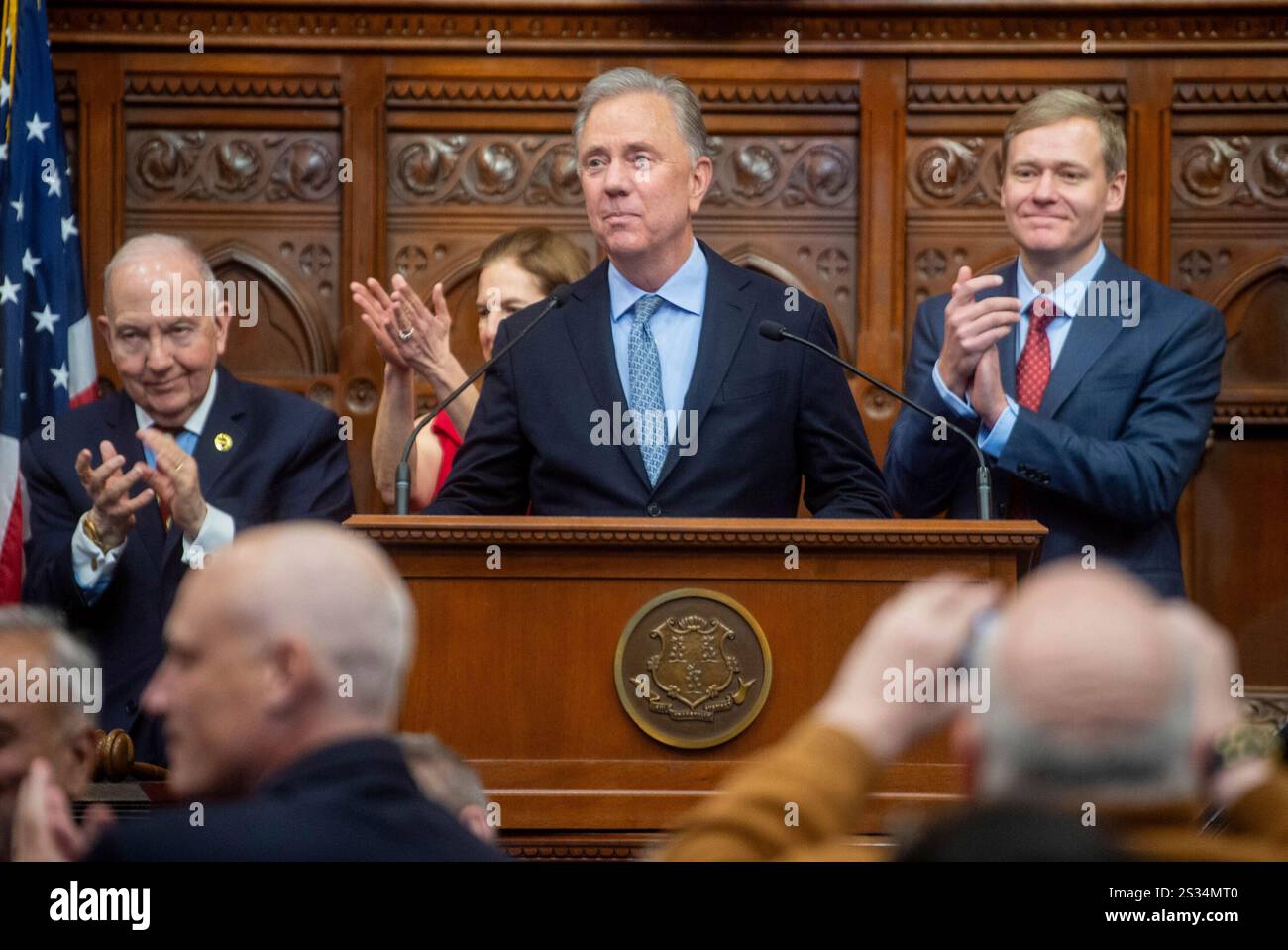
The race for the governor’s mansion features incumbent Democrat Ned Lamont against Republican challenger, state Sen. Ryan Fazio of Greenwich. While the national political conversation is often dominated by congressional control, Connecticut’s local contests carry immense weight for state-level policy and legislative direction. Polls remain open until 8 p.m. tonight, and the results will decide not only the governorship but also six statewide constitutional offices, five U.S. House seats, and 187 members of the General Assembly.
The stakes extend to the state’s legislative leadership. Democrats currently hold substantial majorities in the General Assembly, with a 102-49 advantage in the House and a 25-11 lead in the Senate. Both reports state that neither party expects a dramatic shift in this balance of power. Following the election, Democratic leaders plan to endorse several key figures for leadership roles, including the reelection of House Speaker Matt Ritter for an unprecedented fourth term, provided he does not depart to become the interim president of the University of Connecticut.
Voter turnout and the shifting demographic landscape
Early data suggests a high level of engagement from Connecticut’s massive bloc of unaffiliated voters. As of late October, these voters represented the state’s largest political group with 934,070 individuals, outpacing both Democrats (802,247) and Republicans (485,827). This independence is reflected in the early voting trends; while Democrats held a nearly 4-1 advantage in the initial days of early voting, that gap narrowed to roughly 2-1 as the period progressed, with 216,155 Democrats compared to 89,157 Republicans and 149,857 unaffiliated or minor-party voters casting ballots.
The state is watching closely to see if the new voting models drive higher participation than the 2022 midterm election, which saw a 57.62% turnout. By the end of early voting on Sunday night, 505,973 ballots had been cast. This total included 455,169 early in-person votes and 50,804 absentee ballots, according to the secretary of the state’s office. Another 20,854 absentee ballots were issued but had not yet been returned at the time of the Monday report. To be officially counted, these absentee ballots must reach local clerk offices or official town hall drop boxes by the 8 p.m. deadline tonight.
The distribution of these votes highlights the geographic and political divide within the state. Governor Lamont’s schedule includes stops in major hubs such as Bridgeport, New Haven, and Hartford, while Fazio’s campaign has maintained a presence in the state. The outcome in these varied municipalities will likely dictate the momentum for the incoming administration.
The high cost of a statewide campaign
Money has played a central role in this yearlong cycle, particularly as it is the first gubernatorial race held since the General Assembly increased the public financing grant to $18 million. Despite the availability of public funds, the spending between the two main candidates has remained remarkably competitive through the final stretch of the campaign.
Through October 27, spending by Lamont and Fazio was roughly equal, though their financial structures differ significantly. Lamont, a candidate who contributed to his own campaign, has spent $18.7 million of the $20 million he provided, which included a $2.2 million loan. In contrast, Fazio has spent $17 million, leaving approximately $2 million in his campaign account. A late-stage surge in spending was noted, which reported that between October 21 and October 27, Fazio spent more than $2 million, largely directed toward television advertising ($1.2 million) and direct mail ($848,306). During that same window, Lamont spent $1.16 million, with the majority of those funds also allocated to television.
The financial scale of this election underscores the intensity of the competition. While Fazio has faced the challenge of a Republican running in a blue state, the data shows that capital has not been a barrier to his ability to reach voters directly. The effectiveness of this massive investment in media and mail will be measured by whether it can sway the nearly one million unaffiliated voters who hold the balance of power in Connecticut.
| Candidate | Total Spent (thru Oct. 27) | Primary Expenditure Focus |
|---|---|---|
| Ned Lamont (D) | $18.7 million | Television Advertising |
| Ryan Fazio (R) | $17 million | Television & Direct Mail |
As the sun sets and the final ballots are cast, the focus will shift to the election night gatherings. Lamont is expected to host an event at Dunkin Park in Hartford after voting at Greenwich High School, while Fazio’s supporters are set to gather at the Doubletree by Hilton in Stamford. The new legislative terms are scheduled to begin on January 6, which will mark the opening day of the annual legislative session and the official swearing-in of the winner of the gubernatorial race.
Worth a look
- Economic Hardship and Small Business Closures Shape Wisconsin’s Third District House Race
- How Glenn Osterhout’s WSU Legacy and Estate Planning Inspire Future Cougs
- Republican candidates tone down election skepticism for 2026 (world-today-news.com)
- US voters head to polls in midterms to decide control of Congress (newsarchyuk.com)

Economic Hardship and Small Business Closures Shape Wisconsin’s Third District House Race
Small business closures in Eau Claire signal a shift in Wisconsin's third district Erin Klaus is closing her...
How Glenn Osterhout’s WSU Legacy and Estate Planning Inspire Future Cougs
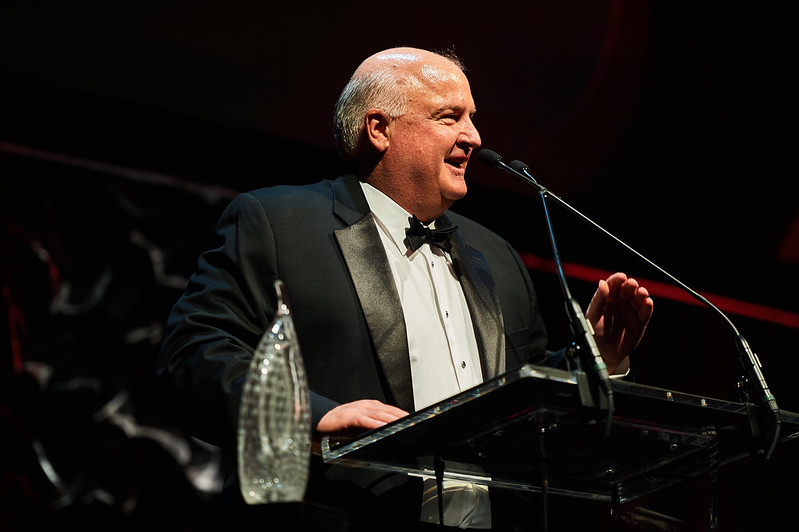
Glenn Osterhout pledges $6.5 million estate gift to Washington State University Glenn Osterhout, a 1982 Washington State University...

7-Year-Old Boy in Critical Condition After Spanish Fork Vehicle Crash
Hudson remains in critical condition after Halloween night collision in Spanish Fork A seven-year-old boy is fighting for...

Judge Bans League of Women Voters Guides From New Mexico Polls
A Judge Orders the Removal of League of Women Voters Guides from New Mexico Polling Places Voters heading...