
Copper Mining Proposal Targets Borderlands Corridor
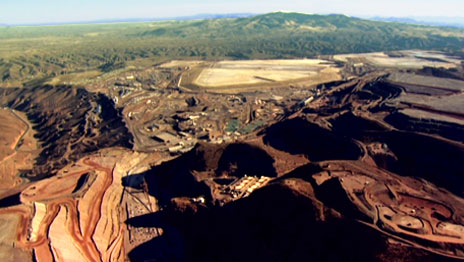
A coalition of conservation groups is calling on the Bureau of Land Management (BLM) to conduct a rigorous environmental review of a proposed copper mining operation along the New Mexico-Arizona border. The project, initiated by Curiosity Exploration LLC, would sit near the Peloncillo Mountains, a rugged landscape spanning Hidalgo County in New Mexico and Cochise County in Arizona.
The area is known for its “sky islands”—biodiverse mountain ranges that rise sharply from the surrounding desert floor. Because these mountains create unique microclimates, they serve as critical passage points for wildlife moving through the Southwest. The conservation coalition, which includes New Mexico Wild, the Chiricahua Regional Council, and the Sky Island Alliance, submitted a formal letter to the BLM last week. They are requesting that the proposal be subjected to an extensive environmental review under the National Environmental Policy Act.
Wildlife Corridors and Habitat Fragmentation
The proposed mining site sits within a region identified as vital by the New Mexico Wildlife Corridors Action Plan. This state-led initiative highlights the area’s importance to desert bighorn sheep, a species currently struggling with habitat disruptions caused by infrastructure like Interstate 10. The plan advocates for the construction of highway overpasses and underpasses to allow bighorn sheep, black bears, and Mexican gray wolves to navigate the region safely.
Curiosity Exploration LLC filed its permit application earlier this year with the New Mexico Energy, Minerals and Natural Resources Department. The company also submitted a notice of intent to the BLM to begin exploratory mining activities.
“Other impacts to the Peloncillos, like the border wall and I-10, can be mitigated one day and might not be as permanent,” Luke Koenig, a community organizer for New Mexico Wild, said in a statement. “But once you turn a portion of one of the West’s most important wildlife corridors into a giant hole in the ground, you’ll never get it back.”

Economic Stakes and Ecological Permanence
The debate over the Peloncillo Mountains pits the regional demand for mineral resources against the long-term preservation of migratory paths. For local residents, the concern is that the industrial footprint of an open-pit mine would be irrevocable. Dirk Sigler, president of the Chiricahua Regional Council, described the corridor as an “ancient pathway” used by wildlife for thousands of years.
“What would you rather see at your doorstep — a desert bighorn sheep or an open pit mine?” Sigler asked in a statement.
The Bureau of Land Management has not yet provided a response to requests for comment regarding the permit notice or the demand for an environmental impact assessment. The project remains in the early stages of the regulatory process, with the minimal impact permit application currently under consideration by state regulators.
As the review process continues, the conflict highlights the tension between the push for domestic mineral production and the management of protected wildlife corridors. The outcome of the BLM’s decision will determine whether this specific segment of the sky islands remains an open transit zone for the region’s most vulnerable species or is transitioned into an active extraction site.
Keep reading

UH Mānoa to debut new theatrical production The Storyteller
Hawaiian Storytelling Takes Center Stage at University of Hawaiʻi The University of Hawaiʻi at Mānoa is set to...

Why Data Suggests Georgia Football Should Feel Confident Against Ole Miss
Georgia football fans should feel confident heading into the November 9, 2026, matchup against Ole Miss because data...

Catholic Diocese Refers Financial Investigation to Law Enforcement
Raleigh Diocese refers financial investigation of Wilmington priest to law enforcement The Catholic Diocese of Raleigh has officially...

3 New Restaurants Set to Expand Dining at Bradley International Airport
New Dining Options Arrive at Bradley International Airport Travelers passing through Bradley International Airport in Windsor Locks now...