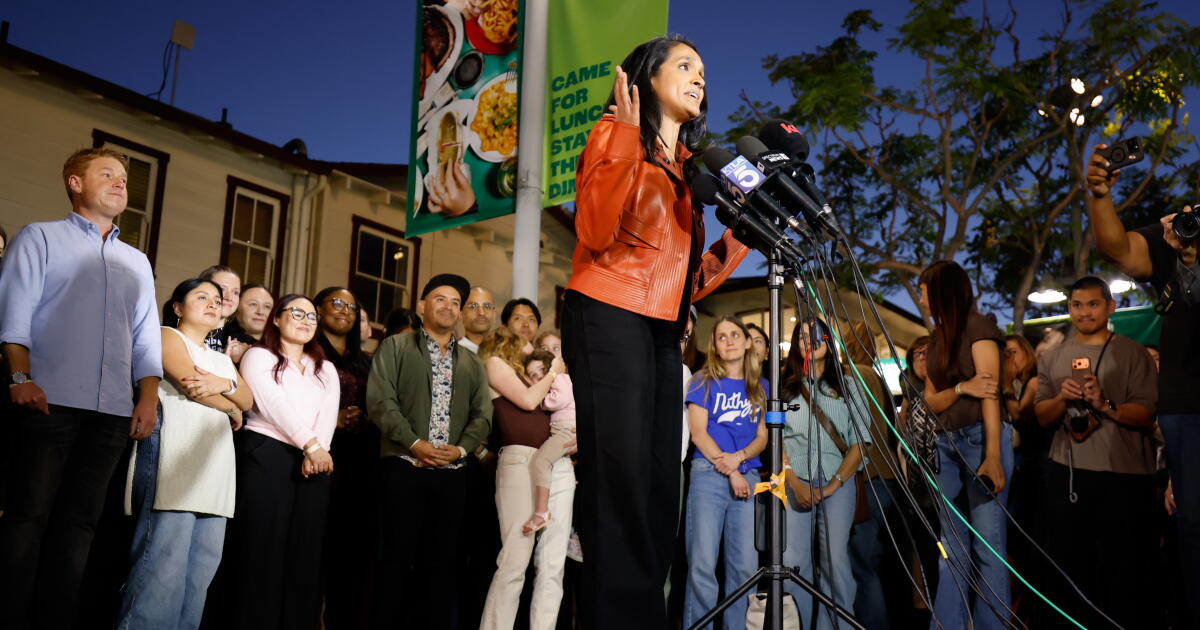
Nithya Raman Prepares to Reshape Los Angeles Transit
As Los Angeles moves toward a new political chapter, Mayor-elect Nithya Raman is positioning public transit as a foundational pillar of her administration. With her inauguration approaching, the city’s transportation landscape is set for a significant pivot, moving away from past policies and toward a more aggressive, infrastructure-heavy agenda. According to the Los Angeles Times, Raman’s background in urban planning from MIT is fueling expectations that she will push for rapid, measurable changes across the city’s bus networks, bike lanes, and major capital projects.
The stakes for this transition are high. Los Angeles is under the clock to prepare its transit system for the 2028 Summer Olympics, a deadline that requires not only funding but a streamlined approach to project management. Raman is expected to take a hands-on role in these efforts, particularly as she prepares to assume the chair of the L.A. Metro board, a position currently held by Mayor Karen Bass, whom Raman defeated in this week’s election.
Shifting Power at L.a. Metro
Raman’s new role grants her substantial influence over the county’s light-rail and subway systems. Beyond leading the 13-member board, she will have the authority to appoint three new members, effectively replacing the current mayoral appointees—Katy Yaroslavsky, Imelda Padilla, and Jaqueline Dupont-Walker—who were aligned with the previous administration. This reorganization suggests a clear departure from the status quo, with analysts expecting a shift in how the city prioritizes its multibillion-dollar transit investments.
“Los Angeles deserves leadership that delivers real results, brings people together, and puts Angelenos first. Nithya Raman has shown the courage to challenge the status quo, fight for affordable housing, champion safer streets, and demand greater transparency and accountability… pic.twitter.com/HEgrv8rtLV”
Juan Matute, deputy director of the UCLA Institute of Transportation Studies, notes that the combination of Raman’s election and a recently approved charter amendment to potentially disband the Public Works Board creates a unique window for systemic change. “I do think we’ll see a considerable amount of action on transit and multimodal transportation in the short run on a timeline that puts this work in the context of preparation for the summer of 2028,” Matute said.
Addressing the People Mover Logjam
One of the most immediate challenges facing the incoming administration is the $3.3-billion Skylink people mover at Los Angeles International Airport. The project, designed to connect terminals with ground transportation, has become a symbol of bureaucratic dysfunction, currently sitting years behind schedule and more than $1 billion over budget. Raman has signaled that her first-week priority will be to break the deadlock between the city’s airport department, the Department of Water and Power, and the contractor, LINXS.
“Taxpayers deserve an advocate at the negotiating table, not another bill for someone else’s failure,” Raman stated.
Observers like Michael Schneider of the advocacy nonprofit Streets for All expect that Raman will move to establish a task force within her first 100 days to address the airport project and potentially consolidate city departments, such as moving the Street Services repaving division into the transportation department to improve efficiency.
The Challenge of Community Pushback
While the administration’s agenda focuses on safety and reliability—including the expansion of protected bike lanes and bus lanes—the path forward is not without friction. Residents in areas like Eagle Rock have already raised concerns regarding how bus lane projects might impact traffic and parking in local business districts. Balancing these community anxieties with the city’s broader goals of eliminating traffic deaths and reducing reliance on personal vehicles remains a central, unresolved question for the incoming mayor.
Raman has maintained that her focus is on making transit “safe, affordable, fast, and reliable.” With the city’s infrastructure showing signs of wear—from faded crosswalks to broken streetlights—the pressure to show tangible improvements to basic street conditions is mounting. Whether the administration can successfully navigate the tension between large-scale regional projects like the Sepulveda Transit Corridor and the localized needs of individual neighborhoods will likely define the success of her tenure.
As the city looks toward 2028, the focus remains on whether these systemic changes can be implemented before the world arrives in Los Angeles. For now, the administration is preparing to move from the campaign trail to the negotiating table, where the focus will shift from policy proposals to the mechanics of getting projects built.
Keep reading

UH Mānoa to debut new theatrical production The Storyteller
Hawaiian Storytelling Takes Center Stage at University of Hawaiʻi The University of Hawaiʻi at Mānoa is set to...

Why Data Suggests Georgia Football Should Feel Confident Against Ole Miss
Georgia football fans should feel confident heading into the November 9, 2026, matchup against Ole Miss because data...

Catholic Diocese Refers Financial Investigation to Law Enforcement
Raleigh Diocese refers financial investigation of Wilmington priest to law enforcement The Catholic Diocese of Raleigh has officially...

3 New Restaurants Set to Expand Dining at Bradley International Airport
New Dining Options Arrive at Bradley International Airport Travelers passing through Bradley International Airport in Windsor Locks now...