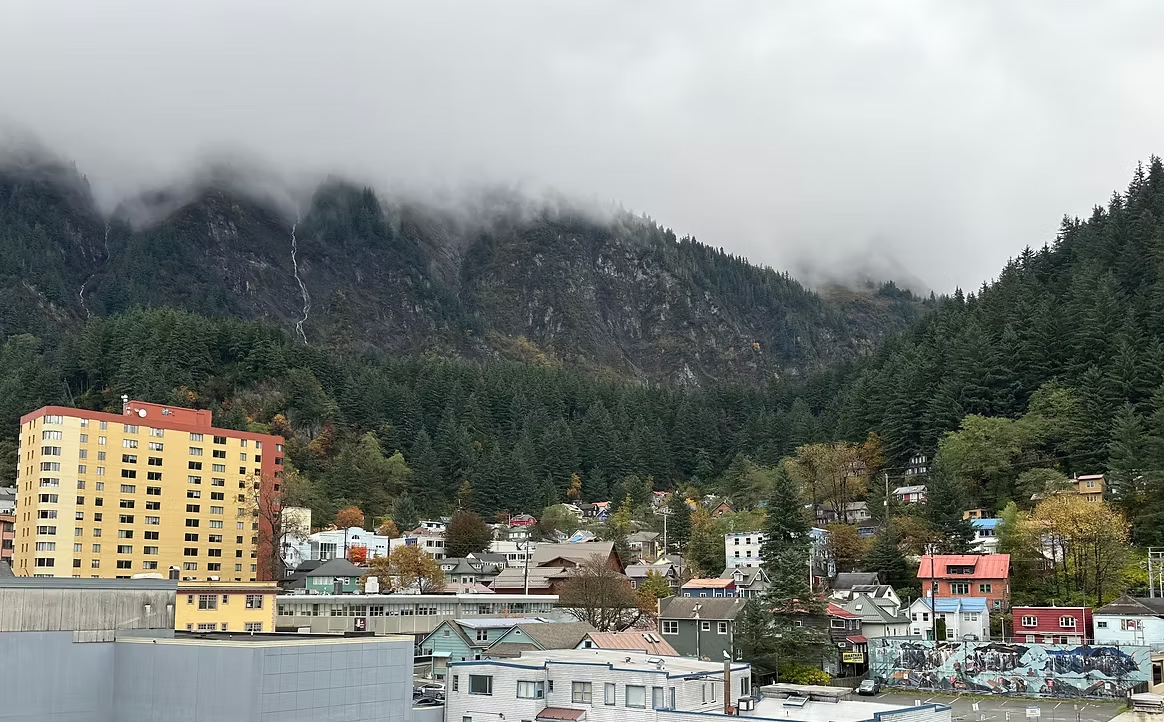
“Alaska needs more homes. Leadership can restart our homebuilding engine.”
That welcome call to action from Shauna Hegna and Mike Huston in a Juneau Independent opinion article published on Monday, Oct. 19, 2026, has sparked a debate over what families will actually be able to afford once those properties are built, according to Edward D. Martin Jr., a general contractor with KEE Construction LLC who has lived in Alaska since 1965.
Martin agreed that leadership should help move workable housing projects into active construction. At the same time, he questioned what income a buyer needs, what rent a working family can pay, and how heating, utilities, insurance, maintenance, and property taxes will affect monthly budgets.
The Juneau Independent opinion piece describes using a relatively small pool of money to close remaining financing gaps on projects that already have larger commitments in place. Martin noted that while this can be a sensible way to finish stalled work, Alaska should publish the full cost of each project, every public contribution, the number of completed and occupied homes, and the resulting prices or rents before expanding the approach.

Such records should also clarify how long any promised affordability lasts. Martin asked what protects public benefits if taxpayers help finance a home today and the property changes hands tomorrow.
Construction begins long before the first nail goes in. Land must be suitable and accessible, drainage must function properly, foundations must fit the ground, and water, wastewater, power, and access must be addressed. Releasing a parcel without understanding those infrastructure costs can leave a buyer with an expensive problem instead of a buildable lot.
Martin supports putting public land to work while publishing its limitations, infrastructure needs, and disposal terms. He argued that the ability to prepare a sophisticated grant application should not become the price of admission to every public housing opportunity.
Reviewing permit delays and conflicting requirements is another necessary step. Builders can identify which steps add avoidable expense, while local officials can point out safeguards that prevent costly failures. The goal is to establish clear requirements, predictable decisions, and practical processes for resolving disagreements while keeping protections that make a home safe and durable.

Factory-built housing deserves a similar examination. That includes comparing the full delivered and installed cost—including transportation, foundations, utility connections, and maintenance—to see how a building performs in its specific Alaska location over time.
Independent builders, tradespeople, prospective homeowners, and tenants should be included in public decisions alongside corporate and banking perspectives. Martin suggested publishing relevant financial interests, funding criteria, award decisions, and fees so people can assess the arrangements themselves.
He urged the next governor to start with a public inventory of projects ready to proceed, identifying the specific obstacle holding up each one and applying the least costly practical remedy. Regular reports on completed homes, occupied units, spent public dollars, and actual housing costs would keep the effort transparent.
Worth a look

Chiefs vs Falcons Picks, Predictions, Odds for NFL Week 10 Game Sunday – AZCentral
The Kansas City Chiefs head into Atlanta as narrow favorites for their Week 10 matchup, but the status...

Rick Tocchet Discusses Emerging Flyers Fourth Line Success
“They’re really a predictable line,” Philadelphia Flyers coach Rick Tocchet said on Monday, pointing to a newly formed...

14 Grambling Football Players Suspended for Postgame Brawl With Arkansas-Pine Bluff
SWAC disciplines 23 players following Grambling and UAPB brawl Following a dramatic 35-32 finish at Eddie G. Robinson...

Connecticut 2014 Election Results – MultiState
Connecticut 2014 Legislative Election Results In the State House, districts such as House 13 saw Mark Tweedie defeat...