A New Lens on a Silent Killer: Unraveling the Heart’s Struggle in Pulmonary Hypertension
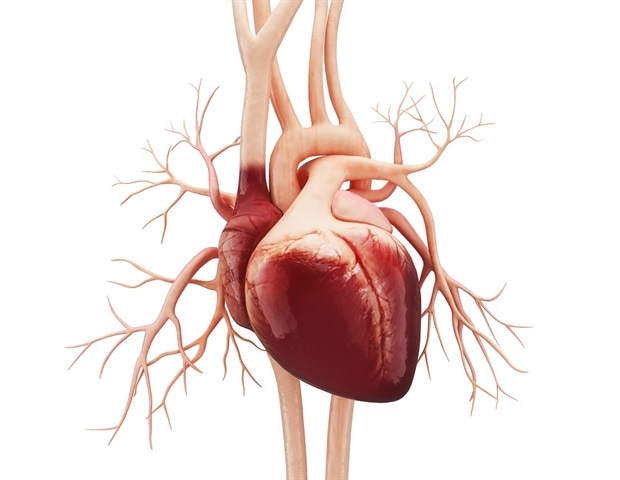
Imagine a heart, forced to work harder and harder against mounting pressure, until it starts to change shape, swell, and ultimately fail. This is the grim reality for patients with pulmonary arterial hypertension (PAH), a progressive disease where the right side of the heart faces this exact challenge. In a major step forward, a new review published in Cardiovascular Innovations and Applications dives deep into the intrinsic mechanisms driving this dangerous heart remodeling, a process that has long been shrouded in mystery. The research aims to bridge a critical gap in our understanding, shifting focus from the lungs to the heart itself to reveal how adaptation turns to fatal failure.
The Critical Heart of the Matter
For years, the medical community’s attention has been squarely on the lungs in PAH. The disease is characterized by a persistent and dangerous increase in pulmonary vascular resistance, meaning the heart has to pump blood through vessels that are narrowed and stiff. While treatments exist to target this lung pressure, they often aren’t enough. The real determinant of a patient’s survival and quality of life is the health of the right ventricle (RV)—the chamber of the heart that pumps blood to the lungs. As the newly released review by Yang, Yichi Zhang, and Yuxin Miao et al. explains, the RV’s initial response is one of heroic adaptation, a process called myocardial hypertrophy where the heart muscle thickens to handle the extra load.
This adaptation, however, is a temporary reprieve. As the pressure continues to rise, this compensation becomes maladaptive. The RV begins to dilate, stretching out like an overinflated balloon. Its ability to pump effectively weakens, leading to right heart failure and, ultimately, death. The critical problem is that we lack a systematic understanding of the intrinsic mechanisms driving this shift from adaptation to failure. Previous studies focused too narrowly on the pulmonary vessels, paying insufficient attention to the heart’s own dynamic trajectory under chronic stress. This review, therefore, is a call to look deeper into the heart’s biology itself.
According to research summarized in the journal Cardiovascular Innovations and Applications, “Right ventricular (RV) dysfunction in PAH is a critical mediator of both long-term morbidity and mortality.” While combinatory oral pharmacotherapy and/or intravenous prostacyclin aimed at decreasing pulmonary vascular resistance (PVR) have improved clinical outcomes, there are currently no treatments that directly address RV failure in PAH, which is, in part, due to the incomplete understanding of the pathogenesis of RV dysfunction in PAH.
Explaining the Vicious Cycle
So, what exactly is happening inside the heart to cause this breakdown? The science is complex, but it points to a “vicious cycle.” It starts with a combination of genetic predisposition and triggering factors like inflammation, certain infections, or even sex hormones. These factors initiate a cascade of problems. The heart muscle becomes starved for oxygen (myocardial hypoxia), its metabolism goes haywire, and its ability to generate energy is severely compromised. All of this happens against the backdrop of the heart trying to pump against ever-increasing resistance.
This isn’t just a plumbing problem with the lungs; it’s a fundamental biological crisis within the heart muscle. The consequences are devastating. Among patients with PAH, RV dysfunction (RVD) and RV failure are the major determinants of morbidity and mortality. As treatments for the lung side of the disease have improved, the heart’s role has become an even more significant bottleneck for patient survival. We can lower the pressure in the lungs, but if the right ventricle is already too damaged, the patient’s prognosis remains poor.
What’s at Stake: Who Bears the Burden?
PAH itself is a rare, life-threatening condition.
One might ask why we haven’t solved this sooner. The RV is a uniquely resilient but also uniquely fragile chamber of the heart. Its response to pressure overload is unlike the left ventricle’s, and studying it has proven technically challenging. However, this complexity is exactly why this new research is so vital. By focusing on the intrinsic mechanisms—from metabolic derangements to molecular signaling pathways—the review opens new doors for targeted therapies that could directly protect the heart, not just the lungs.
The new review highlights emerging approaches for imaging assessment, which could allow doctors to detect subtle signs of RV maladaptation much earlier. More importantly, it discusses potential therapeutic strategies aimed at the mechanisms themselves. For instance, could we develop drugs that help the RV maintain its metabolic efficiency or prevent the harmful signaling that leads to dilation? While the report doesn’t offer a single magic bullet, it lays a solid foundation for the next generation of clinical trials.
The publication of this comprehensive review is not an endpoint, but a starting line. It crystallizes what we know, exposes what we don’t, and charts a course for future research. The question that remains, and the one that will define the next decade of PAH treatment, is whether we can translate this deep understanding of the heart’s struggle into therapies that can actually win it. The science is now pointing squarely at the right ventricle.
Keep reading

Court of Appeal reviews Vickrum Digwa’s sentence for Henry Nowak’s murder
A 21-Year Sentence Under the Microscope The family of Henry Nowak watched from the gallery as the man...

Durvalumab and FLOT show promise for gastroesophageal cancer
How New Cancer Therapies Are Forging a New Standard for Gastroesophageal Cancer A new treatment approach for gastroesophageal...

Judge could block Trump administration’s D.C. arch construction
A 250-Foot Arch on the Brink, but a Judge Could Stop Trump's D.C. Monument It’s down to the...

Early Intervention is Crucial for Treating Pediatric Eating Disorders
The Rising Pediatric Eating Disorder Crisis Eating disorders have quietly become one of the most significant public health...