Appellate Court Backs Chicago’s Rejection of General Iron Operating Permit
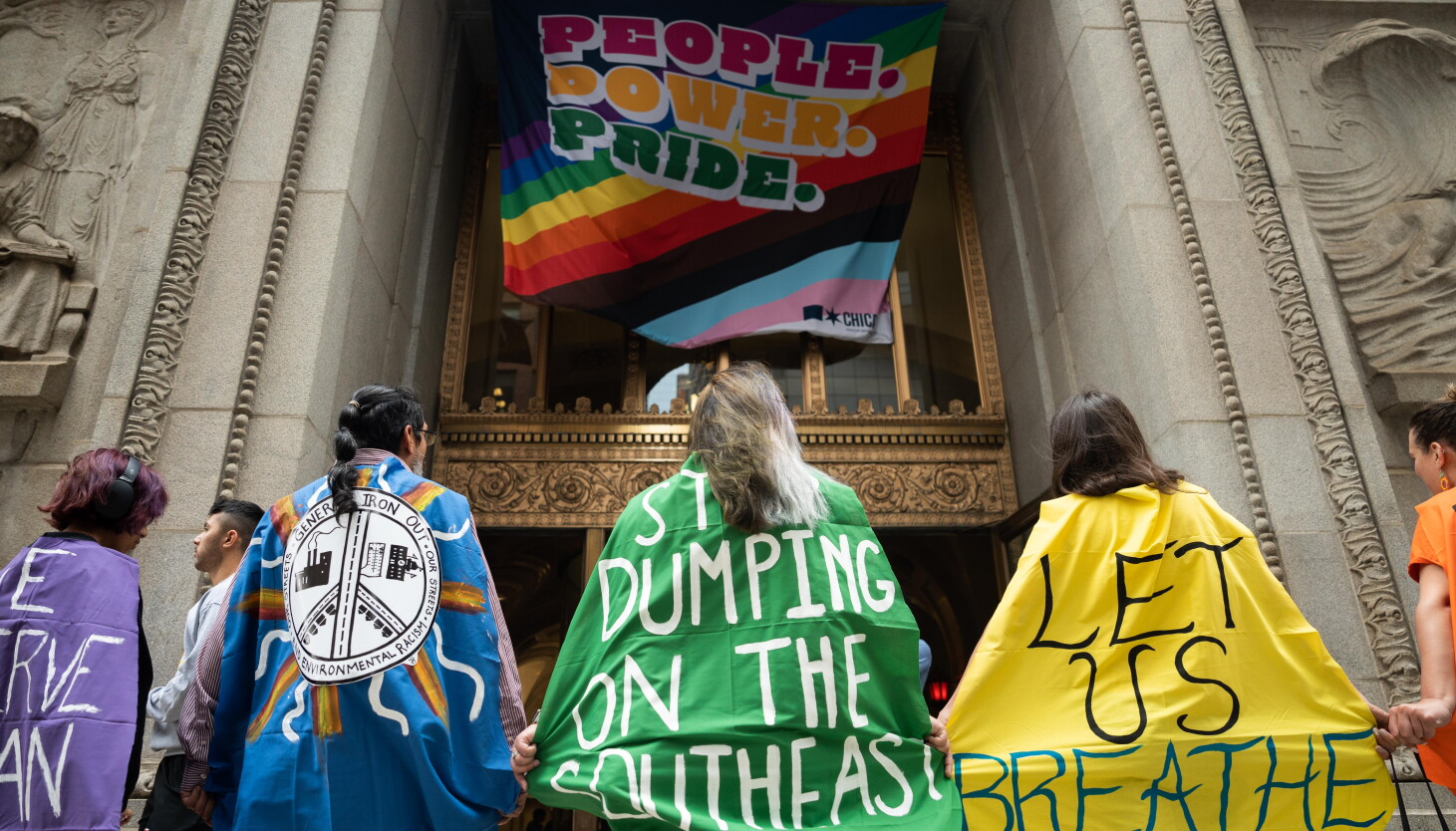
The long-running legal battle over the relocation of a controversial metal-shredding operation to Chicago’s Southeast Side reached a new milestone Friday. A three-judge panel of the 1st District Illinois Appellate Court upheld the city’s decision to deny an operating permit to the facility, which had been rebranded as Southside Recycling. The ruling marks a significant victory for community advocates who have spent years arguing that the plant’s presence would exacerbate existing public health disparities in a neighborhood already burdened by industrial pollution.
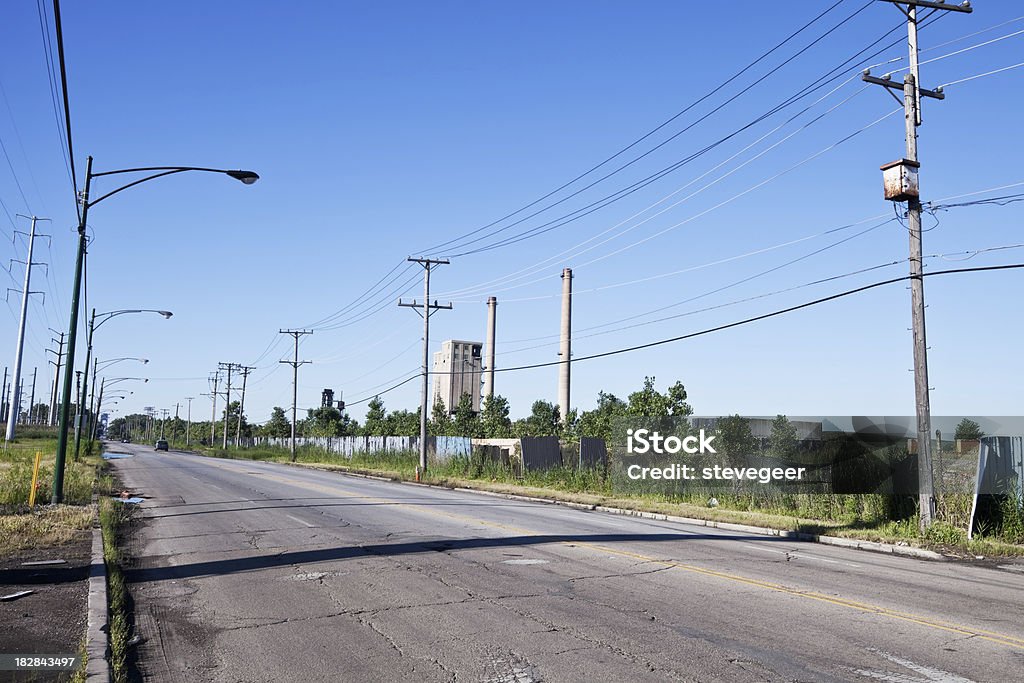
The facility, owned by Reserve Management Group under the corporate entity General III, was constructed at East 116th Street along the Calumet River after receiving a state construction permit. However, the project hit a wall when the administration of then-Lori Lightfoot rejected the operating permit, citing concerns over air quality and potential health risks to residents. As reported by the Chicago Sun-Times, the business challenged this denial, arguing that the city had deviated from its own established review process by introducing a health impact assessment late in the proceedings.
Legal Precedents and the Question of Authority
The legal dispute has ping-ponged through the court system for years. After a city administrative law judge initially sided with the company, Mayor Brandon Johnson’s administration challenged that finding in circuit court. In August 2024, a circuit court judge ruled that the city had acted within its rights to deny the permit. The appellate court’s latest decision reinforces that earlier judgment, affirming that the city’s refusal was grounded in substantive data.
The city maintained that it was necessary to consider the cumulative impact of pollution in the area. In a statement released following the ruling, the city noted that the decision was well-grounded in a detailed analysis of the risks a metal-shredding facility would pose to public health, safety, and the environment. For its part, the company remains steadfast in its position. In a statement, Southside Recycling asserted that its state-of-the-art facility meets all applicable city, state, and federal standards and announced its intention to take the case to the Illinois Supreme Court.
Community Impact and the Federal Civil Rights Probe
The conflict over the facility is rooted in broader concerns about environmental justice. General Iron previously operated in Lincoln Park for decades, but as that neighborhood gentrified, pressure mounted to relocate the business. When the company moved toward the Latino-majority East Side, it triggered intense local opposition.

The situation drew national attention when a federal civil rights investigation concluded that the process of moving the facility from a white neighborhood into one surrounded by predominantly Black and Latino communities was discriminatory. This finding energized local activists who have been fighting to prevent the facility from opening its doors.

We deserve to have clean air, water and soil just like any other part of the city. We’re going to keep fighting for that. — Cheryl Johnson, executive director of People for Community Recovery.
Cheryl Johnson’s organization was one of three that filed the initial complaint leading to the federal investigation. For residents of the Southeast Side, this is not merely a legal or administrative disagreement, but a matter of daily health and quality of life. The facility is designed to process junked cars and large appliances, activities that involve significant metal salvage operations. Residents and environmental advocates argue that such industrial activity, if not strictly regulated, poses an unacceptable risk to a community that already experiences an inordinate amount of pollution.
The Path Forward
With the appellate court’s ruling now on the record, the focus shifts to the Illinois Supreme Court. The company’s pledge to appeal ensures that the legal uncertainty surrounding the site will continue for the foreseeable future. Meanwhile, the city’s arguments regarding its authority to weigh public health impacts in permit decisions have been bolstered by two consecutive court victories.
As the case progresses, the fundamental tension remains: the balance between business interests and the city’s responsibility to protect the health of its most vulnerable neighborhoods. For the residents of the East Side, the court’s decision provides a temporary reprieve, though the fight for environmental equity in Chicago’s industrial corridors remains far from finished.
Related reading

Lansing Detox Center Offers 24-Hour Supervised Medical Withdrawal Support
Lansing’s Recovery Center Adds 10-Bed Capacity for Short-Term Stabilization A new resource for individuals navigating the early stages...

Gov. Maura Healey Signs Emergency Order to Immediately Enact Massachusetts Abortion Law
Massachusetts Governor Maura Healey signed an emergency preamble on Friday, a decisive move that forces a new, expansive...

Tim Bailey Named Maine Golf 2026 Volunteer of the Year
Tim Bailey Named Maine Golf Volunteer of the Year The quiet, essential work that keeps Maine’s golf community...

Jonathan Shi on LSU’s partnership with the construction industry
For more than a decade, the construction industry in Louisiana has been in a quiet, high-stakes arms race....