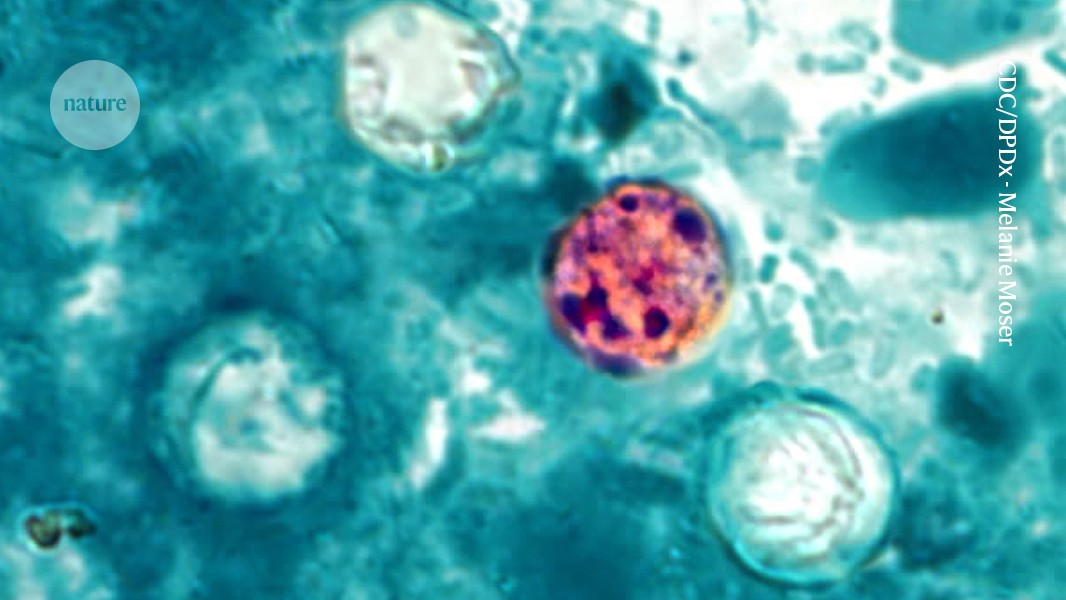
Health officials are investigating a surging outbreak of Cyclospora cayetanensis, a parasite causing prolonged intestinal distress across the United States.
The Scope of the Outbreak
The current outbreak has arrived with a severity that has caught the attention of federal health agencies.
The situation remains fluid.
Symptoms and Clinical Challenges
Cyclosporiasis is an intestinal infection caused by the microscopic parasite Cyclospora cayetanensis.
Diagnosis presents a unique hurdle for the medical community. Dr. Bobbi Pritt, Chair of the Division of Clinical Microbiology at the Mayo Clinic, noted that the parasite is not always captured by standard stool screenings. Cyclospora is also not detected by a simple stool test and requires an additional stain, which isn’t part of the standard repertoire of testing,
Pritt told HuffPost. This diagnostic gap means that many mild cases likely go unreported, as patients may wait for symptoms to resolve on their own or fail to receive the specific test required for identification.
The Search for a Contamination Source
The parasite typically enters the food supply through contact with human feces, often in environments where produce is grown. Because the oocysts must mature in warm conditions for one to two weeks before becoming infectious, summer months—when fresh produce consumption is at its peak—are considered the high-risk season. Experts like Joel Barratt, a molecular parasitologist at the Emory School of Medicine, have observed that these outbreaks appear to be increasing in size annually, a trend some researchers suggest may be exacerbated by climate change creating more favorable conditions for the parasite to thrive.
Surveillance and Treatment Efficacy
While the infection is uncomfortable, it is generally treatable. The standard medical intervention involves the antibiotic combination trimethoprim–sulfamethoxazole, commonly known by the brand name Bactrim. This treatment works by depriving the parasite of the vitamins it needs to replicate within the host’s intestinal lining.
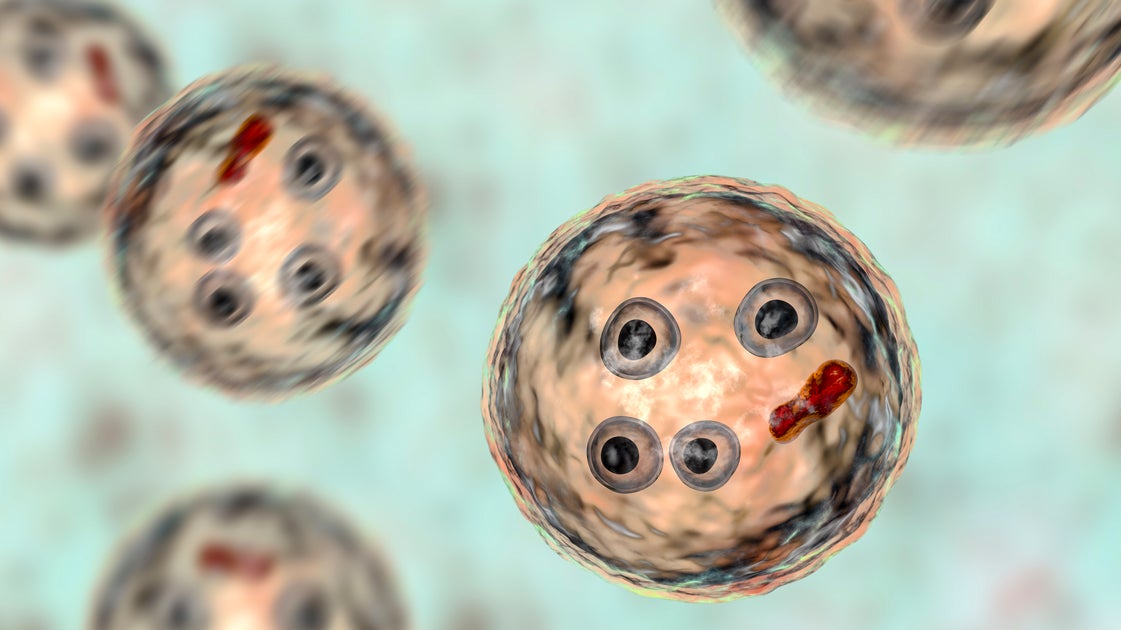
To improve tracking, the CDC has increased its use of molecular genetic analysis. By examining the DNA of the organisms found in patients across different states, investigators can determine if cases are related to a single contaminated supply chain or if multiple independent outbreaks are occurring simultaneously. This genetic typing is a critical tool for health officials, as it allows them to rule out connections between disparate regions.
Unresolved Questions in Public Health Oversight
Barratt, who previously led the parasite surveillance team at the CDC, noted that the number of staff working on these outbreaks is not what it used to be.
This reduction in resources, combined with the difficulty of tracing produce back to specific farms, continues to complicate efforts to prevent further spread.
For now, the public is advised that the illness is not spread person-to-person; it is strictly a foodborne or waterborne issue. As the season continues through August 31, health departments remain on high alert, waiting for clearer epidemiological signals to link the scattered infections to a definitive source.
Related reading

Vertex Backs Research on Early Cystic Fibrosis Intervention
Nonsense mutations account for about 10% of cystic fibrosis cases, while new preclinical research published on September 29,...

Tanzania Implements Mandatory Health Declarations for Travelers
Tanzania has instituted mandatory online health declarations and strict 21-day traveler monitoring under Travel Advisory No.

CHMP Recommends Extended H5N1 Vaccine Use for Adults
European regulators recommended expanding AstraZeneca's intranasal H5N1 pandemic flu vaccine to include adults, removing an upper age limit...