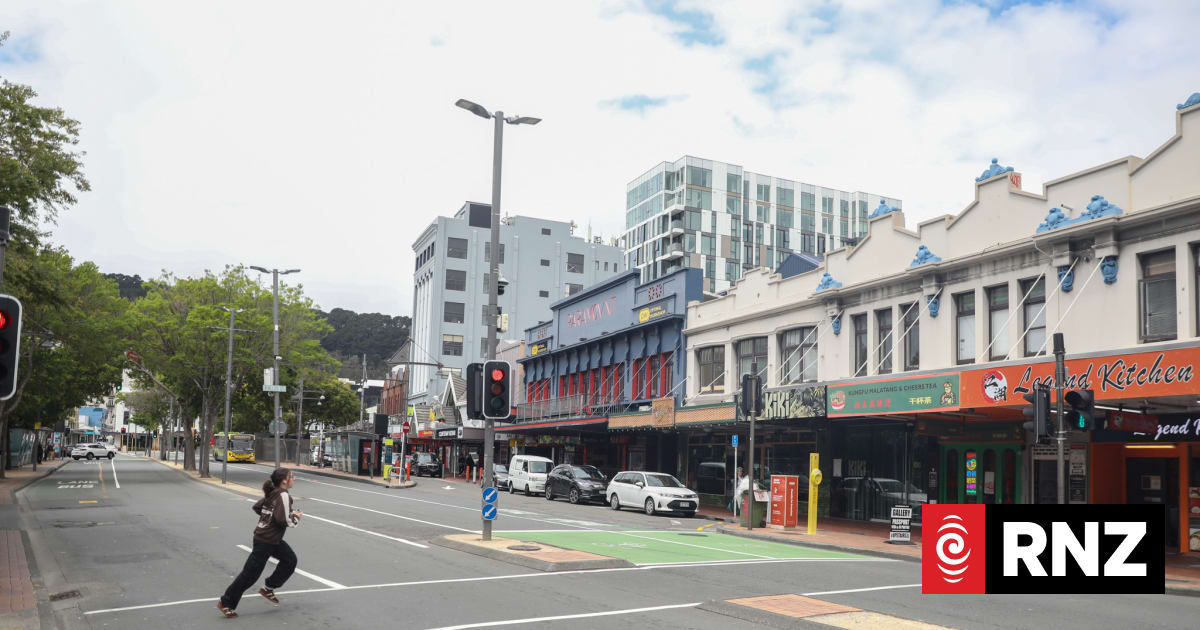
Dakota, the cowboy-themed bar that anchored Wellington’s Courtenay Place for 14 years, closed its doors this month, leaving its mechanical bull silent and its owner declaring the entertainment strip “the worst it’s ever been.”
Jose Ubiaga, who ran the venue for its entire run, told RNZ the closure was driven by soaring costs — particularly alcohol licence fees and rent — and a clientele where only one in four patrons actually bought drinks.
“It was a battle to get my licence, and I’ve been having to battle for the last five years,” Ubiaga said. “It was tiring and hard work and I did it myself, I never hired a lawyer.”
The venue joins a lengthening roster of departures that includes The Garden Hotel, Red Square, BL3, and Siglo. Wellington City Council charges between about $870 and $9360 annually for an alcohol licence, including the application fee, a cost structure the Ministry for Regulation said in September should be replaced by a single nationwide system rather than individual council fee-setting.
Hospitality NZ backs licensing reform call
Hospitality New Zealand chief executive Kristy Phillips backed the Ministry’s call for reform. “Courtenay Place, like lots of areas around New Zealand, is going through its challenges,” Phillips told RNZ.
“We definitely see a place for licensing council regulators to be working hand in hand with the industry to basically reset some of the settings to increase the viability of business.” She said the review exposed an inconsistency of licensing and compliance costs across the country.

Ubiaga insisted the shutdown was unrelated to Dakota’s licence suspension earlier this year after the bar was caught selling alcohol to a 16-year-old for the second time. He said he would always have a soft spot for the venue. “It’s been great, it was a good bar. It was probably my favourite one that I’d done over the last 23 years.”
A shift toward an ’18-hour neighbourhood’
While nightlife contracts, a parallel effort to remake the precinct is underway. Development group Te Aro Hā has begun revamping heritage buildings using the council’s Heritage Resilience and Regeneration Fund, starting with the Winner restaurant site. Spokesperson Miranda Richardson told RNZ new tenants are arriving beyond the night-time economy — among them lighting store ECC, boutique hostel Drifter, and a sauna studio called Hā.
The goal, Richardson said, is to shift Courtenay Place from a nightlife destination to an “18-hour neighbourhood” where people gather throughout the day. The redevelopment of the long-vacant Reading Cinemas building, slated to open in late 2027, is seen as a catalyst.
“These are the types of spaces that, once you get them buzzing and busy again, new things start to barnacle off them,” she said. “That’s almost an entire city block that will suddenly become active again.”
Te Aro Hā is also working on the exterior of the Victory Building, home to The Ballroom, Shady Lady, and Dragonfly. The Paramount building, empty for three years, has finally been leased. The group secured $150,000 through the council’s City Growth Fund for lighting and art installations across the precinct.
“It’s really quiet … it’s a shame that we’re the capital city and for a Friday night, it’s grim,” Ubiaga told RNZ. “Venues on Courtenay Place were sitting rotting. The amount of closed venues that are floating around — it’s the worst it’s ever been.”
Courtenay Place stretches 450 metres through central Wellington and has long been known for nightclubs, cocktail bars, late-night restaurants and heritage theatres pressed together on one drag. The Embassy Theatre, a landmark since 1924, hosted the world premieres of The Lord of the Rings: The Return of the King, and its red-carpet steps remain one of the city’s most photographed spots.
The Ministry for Regulation’s Hospitality Regulatory Review recommended a nationwide licensing system in September.
Related reading

FBI, DHS, TSA Warn Aviation Industry of Al Qaeda Calls for Attacks
“They have demonstrated the ability to mobilize rapidly and with little or no warning,” the joint FBI, Department...

Columnist: GLP-1 Drugs Create New Thinness Pressure for Women
In a column for cleveland.com’s Our Best Life section, Laura Johnston argues that the explosion of GLP-1 weight-loss...

Fayetteville Competitive Bodybuilder Rings Cancer-Free Bell After Clinical Trial, WRAL Says
Three years, five months and ten days after a stage 4 colon cancer diagnosis that her mother was...

Political Scientist Calls Unity’s Refusal to Back Own Minister ‘Cynical
Latvia's parliamentary week ended with New Unity and the Progressives in opposition and a new cabinet led by...