In a column for cleveland.com’s Our Best Life section, Laura Johnston argues that the explosion of GLP-1 weight-loss drugs is creating a new cultural mandate for thinness that pressures women regardless of medical need.
More than a tenth of U.S. adults now take GLP-1 medications for weight loss, according to a Gallup poll cited by Johnston, and Goldman Sachs projects the market will swell from $6 billion in 2023 to $100 billion by 2030. Advertisements promising empowerment and sculpted bodies are ubiquitous, she writes, and celebrities appear to be shrinking alongside the people in readers’ own social circles.
The pressure extends to college campuses. New York Magazine recently reported on students using the drugs amid intense appearance anxiety during sorority recruitment, Johnston noted. One student described an “Ozempidemic” where everyone takes the medication but nobody discusses it, creating a bind: admitting use looks like cheating, while silence sets an unattainable standard.
Campus clinics see rising use without screening
The Badger Herald reported that buses in Madison, Wisconsin, now carry ads for GLP-1 weight-loss study treatments targeting students.

“We are telling young people that smaller bodies are inherently healthier and more beautiful and more attractive,” Emily Mascolo, a therapist at University Health Services, told the Herald. She said the constant messaging that weight loss is easy adds stress for students in recovery from restricting disorders.
There is currently no protocol to screen patients for eating disorders before prescribing GLP-1s, according to University of Pennsylvania Medicine. A Washington University–St. Louis study of nearly 30,000 students across the U.S. showed the scale of exposure, the Herald reported.
Medical benefits shadowed by unknown risks
Johnston emphasizes she is not against the drugs. For people with obesity and related conditions, GLP-1s can quiet relentless “food noise” and improve health. But she warns that the cultural narrative has shifted from body acceptance back to “noughties-level skinny worship,” quoting a Guardian observation that the deluge of love-your-body messaging has vanished in just two years.
A study in PLOS Global Public Health found the drugs may intensify social judgments and inequalities rather than reduce weight stigma. The National Eating Disorders Association warns GLP-1s can be harmful when weight loss is motivated by weight stigma or fat phobia in people with eating disorders.
Reality star Layla Taylor, from The Secret Lives of Mormon Wives, called her GLP-1 an “unhealthy crutch” that enabled her eating disorder; at 5-foot-10 she weighed 99 pounds at one point, Johnston wrote.
“A lot of people that are not nearly even close to being considered overweight or obese clinically are still using it [weight loss medication],” Palmberg said. “I think it is having a negative impact on individuals since it’s becoming a very common trend, which a weight loss medication shouldn’t become a trend.”
Palmberg and Mascolo both cautioned that the prevalence of ads has created a body-image standard of thinness that will be difficult to reverse. “I think a lot of people get the impression it’s a magic fix,” Palmberg told the Herald, adding that medication should be only one part of a plan that includes exercise and nutrition.
Health risks and barriers to drug access
The Washington Post has detailed “rare but devastating” risks under scrutiny, including vision loss, nutritional deficiencies, and loss of muscle and bone density, Johnston noted. University of Pennsylvania Medicine told the Herald there is a lack of long-term data and that patients are not monitored for psychological, social, or medical signs of malnutrition.
Cost adds another layer. The drugs are expensive, and access depends on insurance, eligibility, and the ability to pay out of pocket. Johnston writes she does not want a future where those who can afford the drugs get thinner while everyone else is left behind — and then judged for their size.
Johnston, who once slimmed to a size 6 counting Weight Watchers points in her 20s but could not sustain the obsession, says she has mostly made peace with a body built from “sturdy Dutch farm stock.”
Some days the fantasy of a size 4 tempts her, she writes, but most days the benefits do not outweigh the risks. She is grateful for a body that skis the Rockies, hauls garden mulch, and plays soccer in the backyard with her kids.
University Health Services, the student health system at the University of Wisconsin–Madison, operates a formal, multi-level protocol for eating disorders that ranges from primary prevention to emergency referral for medically unstable patients. The policy allows students to enter care through self-referral or reports from housing staff, coaches, or faculty, and guarantees a comprehensive assessment that can include psychiatric, medical, and nutritional evaluation before any treatment plan is assigned.
Johnston writes: “Let’s stop pretending there’s one morally superior way to inhabit a body.” She adds: “And be careful about creating a world in which every woman looks at her perfectly ordinary body and thinks she needs to fix it.”
Worth a look

Dakota Closes After 14 Years as Owner Calls Courtenay Place ‘Worst It\’s Ever Been
Dakota, the cowboy-themed bar that anchored Wellington's Courtenay Place for 14 years, closed its doors this month, leaving...
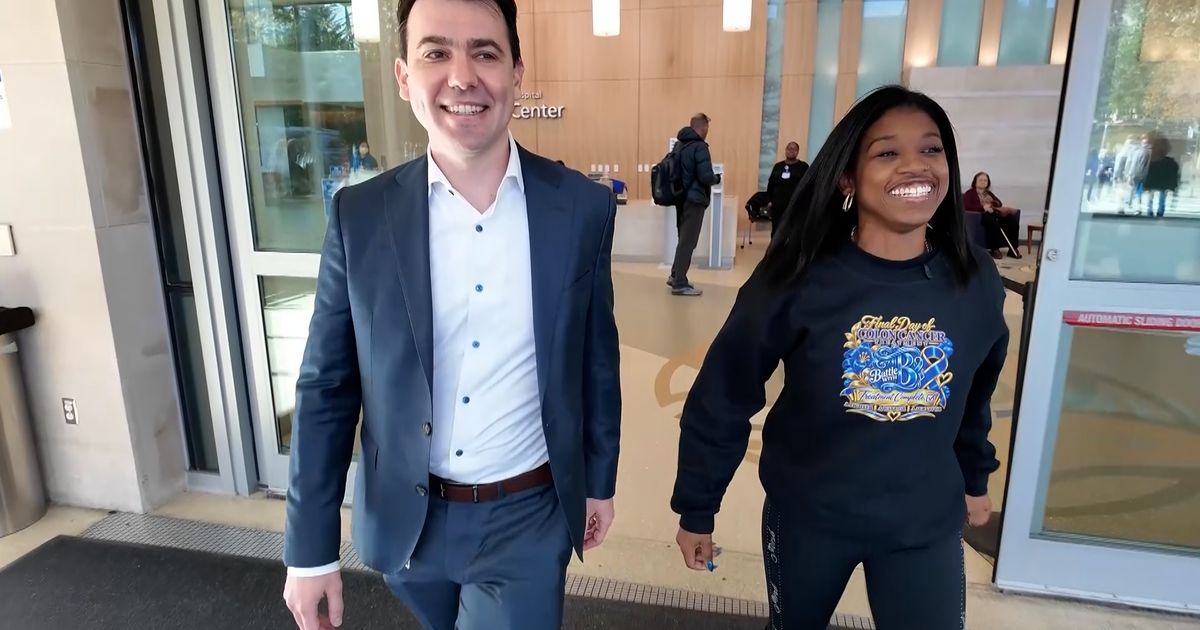
Fayetteville Competitive Bodybuilder Rings Cancer-Free Bell After Clinical Trial, WRAL Says
Three years, five months and ten days after a stage 4 colon cancer diagnosis that her mother was...

Political Scientist Calls Unity’s Refusal to Back Own Minister ‘Cynical
Latvia's parliamentary week ended with New Unity and the Progressives in opposition and a new cabinet led by...

Residents Oppose Housing on Former Magdalene Laundry Site; Nuns Cite Scale
"It is incumbent on Dublin City Council to ensure the integrity of the site is preserved," a coalition...