
A damaged roof drain cap at a Nashville hospitality property recently made a routine rainstorm a structural emergency.
The failure of a single small component allowed water to pour directly into the building, forcing an extensive restoration project that required tearing back walls to the framing and stripping out water-damaged materials.
Sabrina Box, a Commercial Account Manager at BMS CAT, captured the scene in a recent field update. Standing in a corridor where plastic containment sheets hung from the ceiling and industrial drying equipment hummed against the carpet, she traced the entire loss back to the roof. A drain cap, intended to keep the building’s internal drainage system clear, had been damaged, leaving the property vulnerable to the elements.
Sabrina Box, Commercial Account Manager at BMS CAT, explained that there was actually a pipe, a drain on the roof that the cap had become damaged, and when it rained a few days ago, it was pouring rain inside of the property.

This incident highlights a persistent vulnerability in commercial infrastructure. While low-slope roofs are standard in the hospitality sector, they rely heavily on internal drains, scuppers, and downspouts to manage water runoff. The International Facility Management Association (IFMA) identifies these drains as the first line of defense for such structures, yet they are frequently overlooked by maintenance teams until a leak makes the damage impossible to ignore.
The economic stakes of these oversights are high. When water breaches the building envelope, the clock begins ticking immediately. The U.S. Environmental Protection Agency advises that commercial properties should aim to address water intrusion within a 24 to 48-hour window.
The goal is to dry the building’s materials—including wallboard and ceiling tiles—before the onset of mold growth, which can rapidly escalate the cost and complexity of a rebuild.
Facility managers should know that preventing damage costs less than fixing it. Box emphasizes that a proactive “walk” of the property—particularly before the arrival of a freeze or a major storm—can identify these small points of failure before they lead to catastrophic interior damage.
The Insurance Institute for Business & Home Safety recommends a consistent schedule for these inspections, noting that debris like leaves, sticks, and dirt should be cleared year-round to prevent clogging.
The challenge for property owners is that these systems often remain out of sight and out of mind until a storm hits. During the winter months, the stakes rise even further; IFMA warns that ice buildup can block drains just as easily as sediment, leading to ponding water that compromises the roof membrane.
Maintaining watertight piping and clear strainers requires a disciplined approach, including documenting inspections with photos and contractor reports for insurance and warranty purposes.
As the team at BMS CAT continues the demo and drying process in Nashville, the focus remains on preparing the site for a full rebuild. For those looking to audit their own facilities, the company suggests contacting their team at 866-787-3521 to schedule a pre-storm inspection. Finding a damaged cap before the next rainfall is the difference between a minor maintenance task and a total interior renovation.

GMRI to Discuss Tidal Restrictions Affecting Carbon in Maine Marshes
Maine’s coastal marshes act as massive, natural sponges for carbon dioxide, but the infrastructure separating them from the...
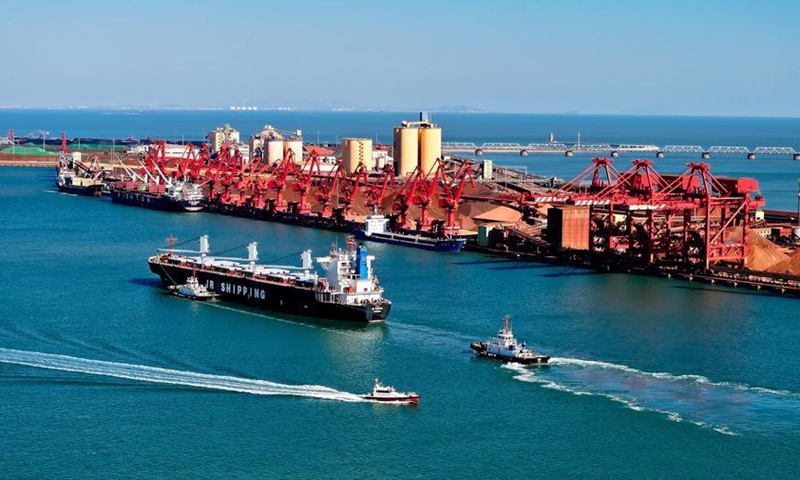
Ministry of Commerce Reports High-Tech FDI Jump 31.3% in First 10 Months
China's high-tech industries absorbed $37.7 billion in foreign direct investment during the first ten months of 2026, a...
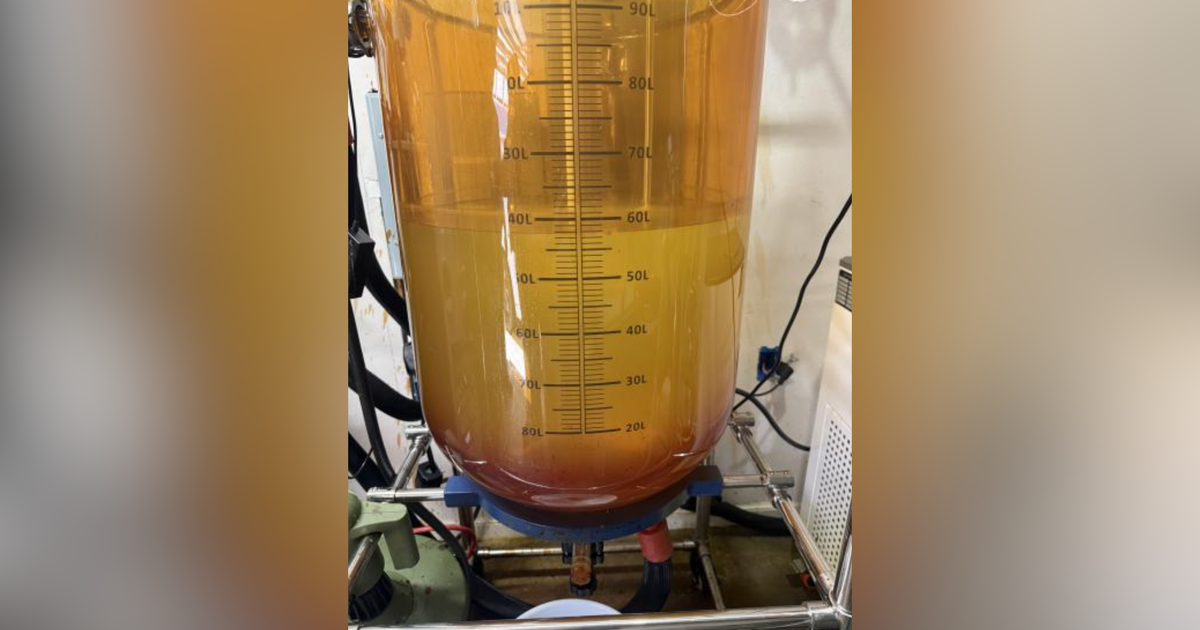
DEA Confirms Nitazene Lab Found in Louisiana, 80x Potency
Agents expected a fentanyl lab. They found something far deadlier. Federal and local authorities dismantled the first known...

Mitchell Says Review of Other Cases Involving Fired Phoenix Officers Nears End
Maricopa County Attorney Rachel Mitchell said her office is weeks away from finishing a review of other criminal...