David Jones enters receivership
David Jones, one of Australia’s oldest and most prominent department store chains, entered receivership on November 5, 2026. The collapse threatens the livelihoods of more than 6,000 workers across Australia and New Zealand.
According to reporting by the World Socialist Web Site, the 188-year-old retailer’s board appointed McGrathNicol as administrators. Simultaneously, the lender Hilco appointed FTI Consulting to act as receivers and managers. While all 38 stores—37 in Australia and one in Auckland—remain trading for now, the future of these locations is highly uncertain.
The move follows a breakdown in negotiations between the retailer’s owner, private equity firm Anchorage Capital Partners, and Scentre Group, the operator of Westfield shopping centers. Scentre Group stated that David Jones had failed to pay rent since September 30.
A shrinking retail footprint
The receivers are currently examining options for restructuring or selling the business. Current indications suggest the company may pivot toward a much smaller, stripped-down operation. This strategy would likely focus on profitable flagship stores in Sydney and Melbourne’s central business districts and wealthy suburbs, while shuttering outer suburban locations.
Estimates suggest that up to 26 stores could be closed. Five loss-making Westfield locations have already been identified as likely initial targets for closure: Parramatta, Hornsby, Carousel, Woden, and Southland.
A circular sent to employees by FTI Consulting, as reported by Workplace Express, confirmed that “it is likely there will be steps to reduce the retail footprint in the near-term.” The notice also included a warning for workers facing redundancy or resignation that they may have to wait an uncertain period to receive accrued entitlements, as payments depend on the timing of asset sales.
The immediate fallout was visible on the shop floors. Within hours of the announcement, luxury brands including Gucci, Saint Laurent, and Oroton stripped their concessions from David Jones stores, leaving shelves bare.
The private equity cycle
The collapse marks the end of a long period of instability and changing ownership. In 2014, Woolworths Holdings acquired the business for more than $A2 billion. By 2022, private equity firm Anchorage Capital Partners had purchased the chain for just $100 million.

The retailer has struggled with significant financial losses in recent years. The company recorded a pre-tax loss of $74.1 million in 2023–24, which grew to a $95.5 million loss in 2024–25.
| Financial Year | Pre-tax Loss (AUD) |
|---|---|
| 2023–24 | $74.1 million |
| 2024–25 | $95.5 million |
While analysts often point to the rise of online shopping and the decline of traditional department stores, the company’s downfall is also tied to a widening economic gap. David Jones’ traditional customer base has been squeezed by falling real incomes and rising living costs, making it difficult to compete with luxury retailers that cater exclusively to the wealthiest segments of society.
A broader retail crisis
The David Jones collapse is not an isolated event but part of a wider downturn in the Australian retail sector. This crisis coincides with a period of high inflation and aggressive monetary policy. On November 3, 2026, the Reserve Bank of Australia raised interest rates for the fifth time this year to 4.85 percent, the highest level since 2008.
The impact on consumer spending has been measurable. According to the Australian Retail Council, department store spending rose just 1.7 percent over the year to September, a figure well below the rate of inflation. Other major retailers have also reported struggles:
- JB Hi-Fi: Reported a 1.4 percent drop in sales during the September quarter.
- Myer: Recorded a $276.5 million statutory net loss for the 2026 financial year.
- Betts: Entered administration in July, announcing the closure of 20 stores.
- Barbeques Galore: Collapsed in February and entered liquidation.
As the receivers manage the transition, the Shop, Distributive and Allied Employees Association (SDA) has stated its “top priority” is “maximising the number of ongoing jobs.” This stance comes as workers face the reality of a restructuring process that aims to cut costs and drive profits for creditors, including Hilco, which is owed more than $200 million and holds a loan secured against the company’s stock.

Pope Leo XIV Concludes Uruguay Visit and Heads to Argentina Amid Political Tensions
Pope Leo XIV concluded his visit to Uruguay on Sunday, marking the end of a trip that saw...

$50,000 Reward Offered for Jakeem Tully Cold Case Information
Eighteen years have passed since a drive-by shooting outside a convenience store at 485 Albany Ave. claimed the...
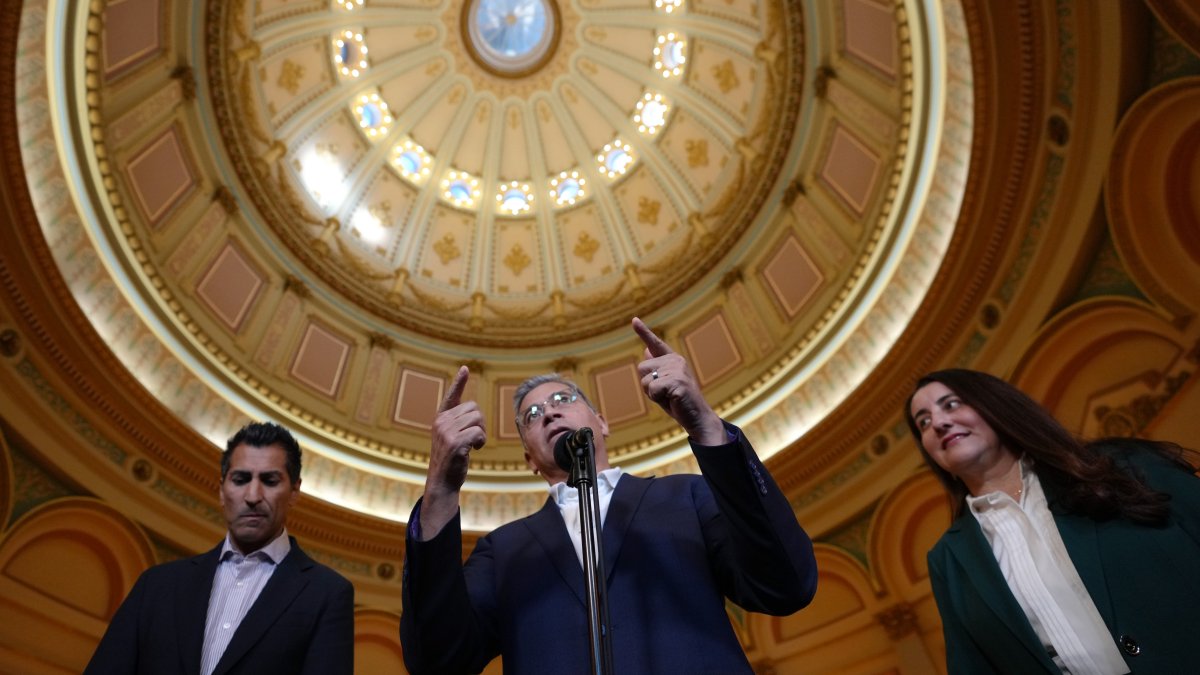
Xavier Becerra Win Highlights the Deep Political and Cultural Roots of Catholicism in California
The Becerra Era Begins: California’s Enduring Catholic Legacy With his victory this week, Xavier Becerra has become California’s...

Arkansas State Police Investigate Five Fatalities in Arkansas
Five people died in Arkansas highway accidents Five people lost their lives in separate traffic incidents across Arkansas...