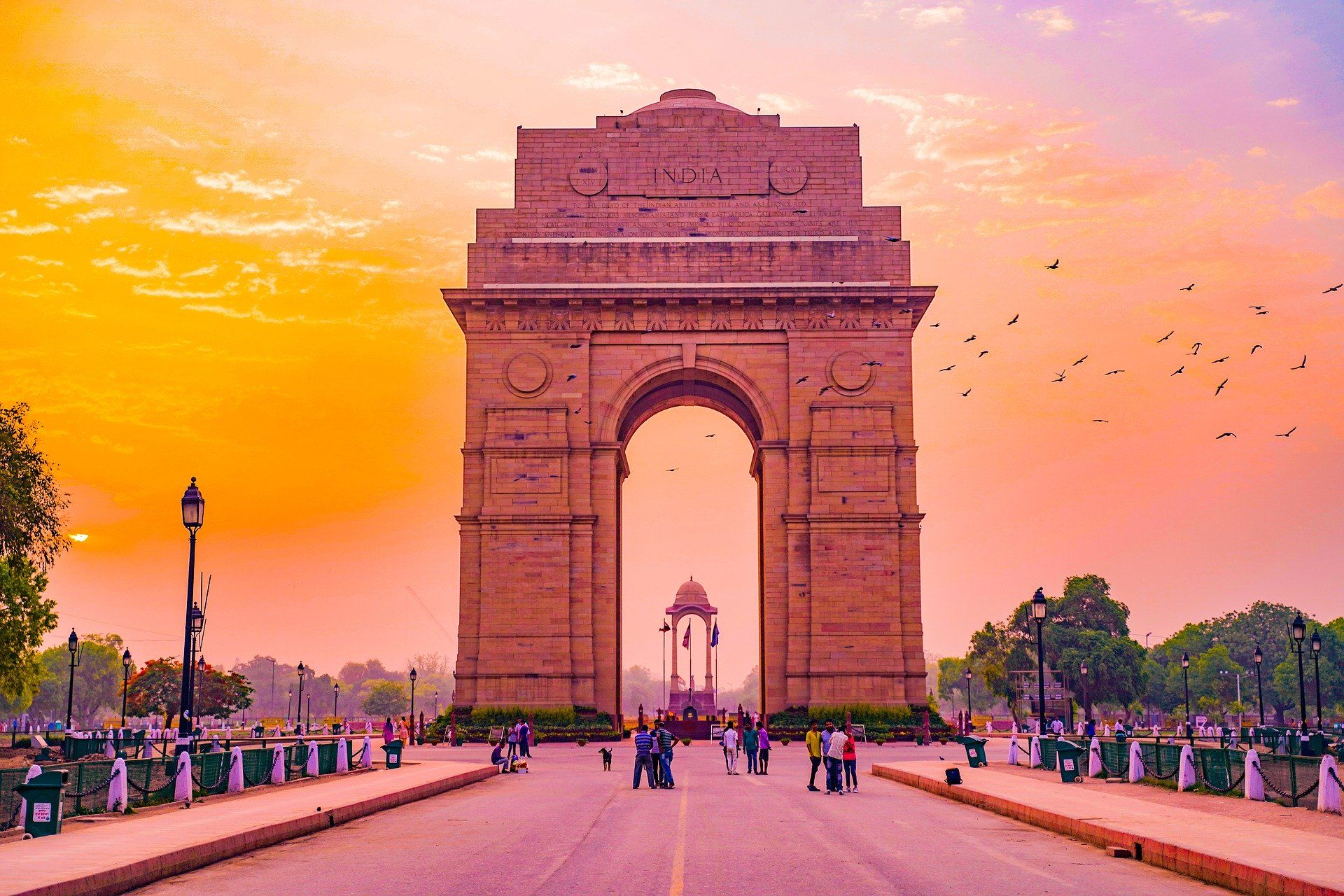
Police Crackdown on Student Protests
On Monday, July 20, 2026, Delhi Police deployed tear gas and batons against demonstrators marching toward Parliament to demand the resignation of Education Minister Dharmendra Pradhan. The protesters, associated with the Cockroach Janta Party (CJP), were demonstrating against alleged irregularities in major examinations, including technical glitches and question paper leaks.
According to reports, the police action occurred as students attempted to march on the legislative complex. Authorities stated that they had not granted permission for the protest, and internet access was restricted in parts of central New Delhi during the event. Leader of the Opposition in the Lok Sabha, Rahul Gandhi, condemned the police response, stating that tear-gassing and lathicharging
students is neither democratic nor “India’s way.”
CJP Demands and Government Response
The protest follows the conclusion of a 21-day hunger strike by activist Sonam Wangchuk, who had been advocating for youth causes and the CJP movement before being taken to a hospital on Saturday. The CJP, which has gained significant social media following since its May launch, presented three primary demands to the government: the immediate release of Wangchuk with permission to address the public, the resignation or removal of Education Minister Dharmendra Pradhan, and financial compensation for the families of students who died by suicide following the NEET paper leak.
Union Minister and former BJP national president JP Nadda confirmed that government officials engaged in discussions with a CJP delegation on Monday. Nadda described the meeting as “cordial,” noting that the dialogue began at 11:50 AM and included the submission of a written petition by the protesters at approximately 4:00 PM. Nadda stated that he urged the representatives to end their agitation and cooperate with authorities to restore normalcy, while the CJP representatives indicated that Nadda had promised to discuss their demands internally.
Political Reactions in Parliament
The police response to the protest has drawn sharp criticism from opposition leaders as the Monsoon Session of Parliament opens. Rahul Gandhi labeled Prime Minister Narendra Modi the most anti-youth Prime Minister in India's history,
citing claims of 152 paper leaks impacting 7.5 crore students. Gandhi accused the government of punishing students rather than the perpetrators of the exam irregularities, stating, When these children raised legitimate questions about education—they were met with batons and detention in response.
Congress MP Priyanka Gandhi Vadra also condemned the use of force, questioning why the government was unwilling to discuss education policy in Parliament. Other opposition figures joined the criticism, with Samajwadi Party president Akhilesh Yadav stating that the large turnout reflects a failure in the government’s management of the NEET and other examinations. DMK MP Kanimozhi described the demonstration as a democratic expression of public opinion.
In his remarks, Rahul Gandhi further alleged that the RSS has captured the education system, a sentiment echoed by other opposition members who anticipate that issues regarding “paper leaks” and “donation scams” will dominate parliamentary proceedings in the coming days.
Sources: Hindustantimes, NDTV.
Worth a look
ECP Orders Islamabad Local Government Elections for December 20
The Election Commission of Pakistan has ordered local government elections in Islamabad to proceed on December 20, 2026,...

Botswana’s President Duma Boko Launches Okavango Circle
Botswana President Duma Boko launched the Okavango Circle on September 22, 2026, in New York, aiming to shift...
Afenyo-Markin files defamation suits against Gyamfi, Adjei
Minority Leader Alexander Afenyo-Markin has filed new defamation suits in the Accra High Court against Ghana Gold Board...
Ruto’s Men Compete for Political Blessing
President William Ruto’s development tour of the North Rift ahead of the October 20, 2026 Mashujaa Day celebrations...