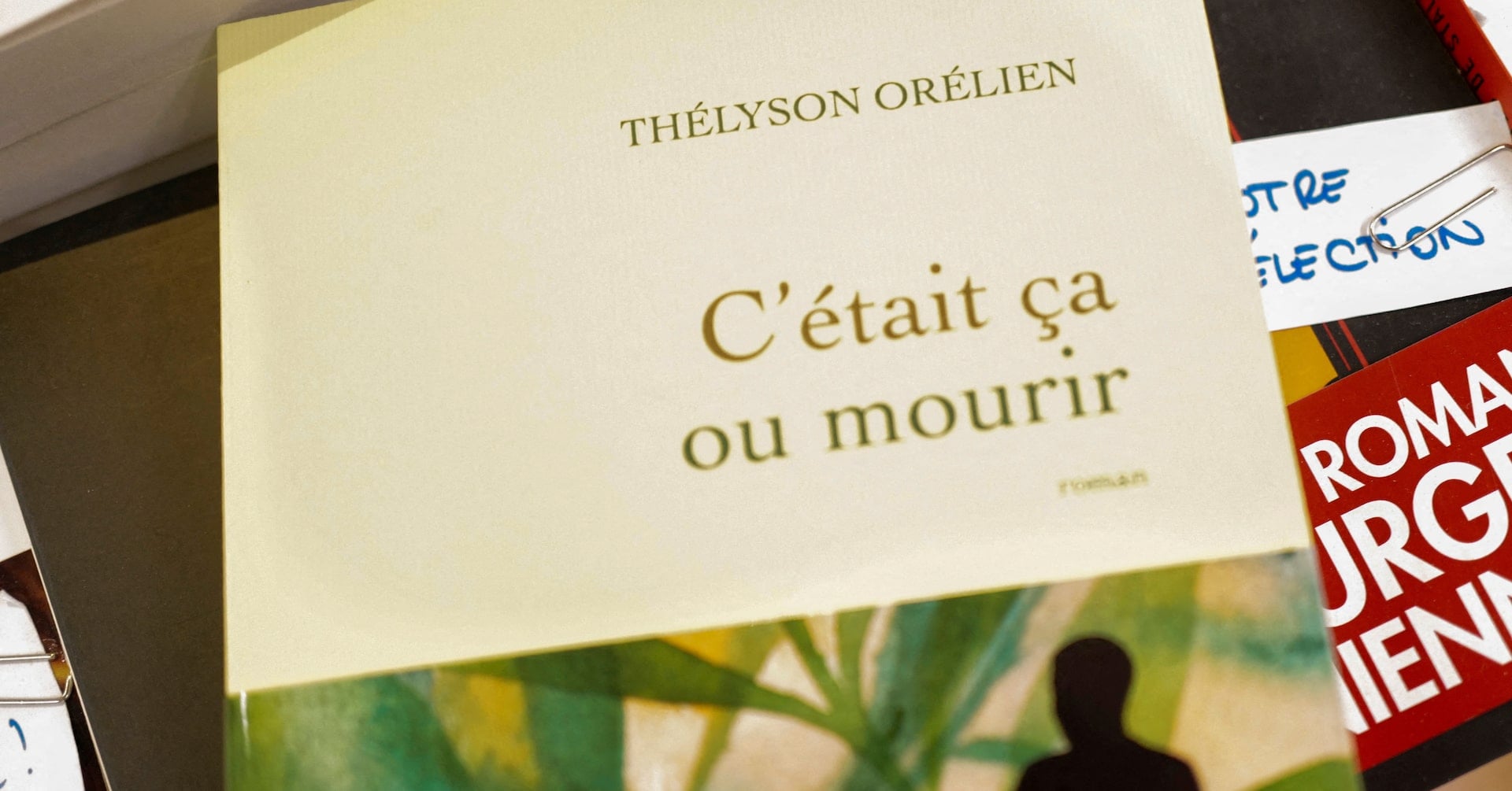
Canadian publishing house Les Éditions du Boréal severed ties with Haitian-Canadian author Thélyson Orélien on October 21, 2026, after an external analysis revealed artificial intelligence markers in his award-winning debut novel. The controversy over the migration-themed book has already triggered its removal from France’s top literary prize shortlist.
The relationship between the publishing house and the writer collapsed after an external review of manuscript versions uncovered metadata tags indicating machine assistance. Boréal announced it would halt future reprints of the book, titled C’était ça ou mourir in French and translated as It Was Either That or Die
, and drop all plans to publish subsequent works by the author.
Investigation Findings and Metadata Evidence
The publishing house explained that it gathered working drafts of the novel and commissioned an independent analysis after an initial effort by the author to clear his name proved inconclusive. The external team examined multiple file iterations and found explicit traces of machine authorship.
The results obtained this week revealed traces of AI tags in the metadata of certain documents.
Les Éditions du Boréal, via Agence France-Presse and L’Actualité
Despite the findings, the publisher acknowledged the exact boundaries of the technology’s involvement may never be fully mapped. Boréal stated that it still does not know to what extent artificial intelligence shaped the manuscript and doubts a definitive answer will ever emerge.

The publisher stated that it chose this novel because it moved them deeply long before bookstore success and literary awards followed. Éditions Boréal added that it now wishes to take part actively in the collective reflection needed regarding the place of artificial intelligence in literature.
Literary Awards and Author Denials
Suspicion around the novel erupted in September after tests with the AI detector Pangram indicated a 100 percent probability that it contained computer-generated text. Before the allegations derailed its trajectory, the book won a host of literary awards and was on track for translation into multiple languages.
France’s prestigious Prix Goncourt removed the novel from its shortlist after Pangram testing indicated a 100 percent probability of computer-generated text. Orélien repeatedly rejected the accusations, describing them in strong terms.
They say that C’était ça ou mourir was written by an artificial intelligence. That’s slander and heresy.
Thélyson Orélien, author
The author maintained he began drafting the text in late 2017 and completed the first manuscript in 2019, long before generative chatbots gained widespread adoption. While he admitted to using digital tools selectively for historical research and foreign idioms, he insisted that human instinct drove every sentence.

But not a single sentence in this book was created by a machine, nor the meaning or the structure of a story that comes from my gut.
Thélyson Orélien, author
AI Controversy Compounded by Prior Plagiarism
The artificial intelligence controversy compounded earlier scrutiny involving separate plagiarism disclosures. Media reports previously identified close resemblances between Orélien’s works and preexisting texts. The writer issued a public apology for unacceptable mistakes committed during his youth, attributing them to impatience and a lack of experience.
Industry reaction to the publisher’s reversal split between retail shelves and writers’ advocacy. Floriane Claveau, a spokesperson for the major Quebec bookstore chain Renaud-Bray, noted that existing copies would remain accessible until current inventory sells out, noting that bookstores do not position themselves as content censors. Conversely, Pierre-Yves Villeneuve, president of the Quebec writers’ union, praised the decision to sever ties, arguing that it removes ambiguity for readers trying to determine who actually authored the work.
As the controversy continued to unfold, the literary union head urged the public to exercise restraint so that personal attacks against the writer would cease, reminding observers that there is a human being behind the public dispute.
=== END ARTICLE >

Blackmagic Design Offers Limited-Time DaVinci Resolve Studio AI Sale
Blackmagic Design has launched a limited-time 20% discount on DaVinci Resolve Studio 21 alongside editing keyboards and color...

OpenAI Rolls Out Locked Chats with 4-Digit PIN on October 20, 2026
OpenAI rolled out a new privacy feature on October 20, 2026, allowing ChatGPT users to lock sensitive individual...

Elon Musk confirms discussion of merger between Tesla and SpaceX
Elon Musk confirmed that special committees are formally evaluating a potential merger between SpaceX and Tesla, calling the...

NASA’s Perseverance Rover Sets Off-World Driving Record
NASA’s Perseverance rover has shattered the off-world driving record, traveling 28.1 miles across Mars in just five and...