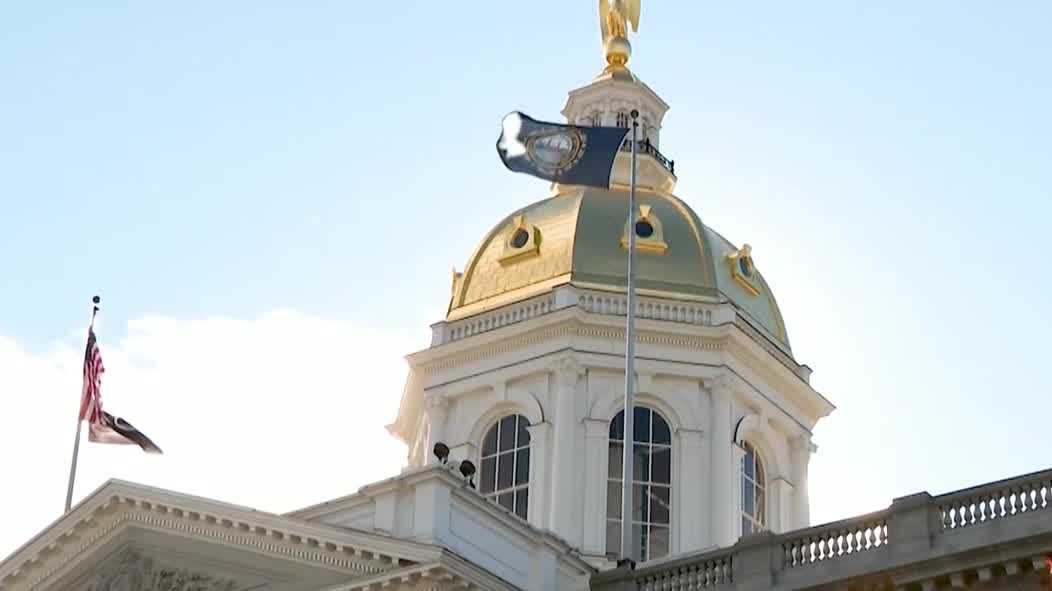
Democratic majority in New Hampshire legislature creates path for marijuana legalization
Democratic lawmakers in New Hampshire are exploring bipartisanship and the possibility of a veto override to advance recreational marijuana legalization, according to a report from WMUR.
The shift in legislative control follows recent midterm elections that granted Democrats a majority in both the state House and Senate. This new political landscape changes the math for cannabis advocates, who previously faced a Republican-led legislature. With the majority now in Democratic hands, representatives say they have a clearer route to passing legislation, even if it faces opposition from the executive branch.
New Hampshire remains the only state in the New England region that has not legalized the recreational use of marijuana. While neighboring states have established regulated markets, New Hampshire’s policy remains centered on prohibition, a stance defended by Republican Governor Kelly Ayotte.
Governor Ayotte has expressed concerns regarding the public health and social implications of legalization. During the Granite State Debates, she pointed to the sensory impact of the drug on local communities.
“You walk down the street and that’s all you smell is marijuana, it’s not good for our quality of life,” Ayotte said.
The legislative process faces a significant hurdle in the governor’s office. If a legalization bill reaches the governor’s desk and she issues a veto, the legislature would require a two-thirds majority in both the House and the Senate to override that decision and enact the law.

Economic arguments and the search for compromise
For many Democratic lawmakers, the push for legalization is driven by the economic reality of being an outlier in a region where surrounding states are generating significant tax revenue from cannabis sales. They argue that New Hampshire is currently losing potential revenue to its neighbors.
State Rep. Alissandra Murray highlighted the fiscal implications of the current prohibition, noting that citizens are traveling to other states to access the product, effectively sending tax dollars elsewhere. “It just seems silly for us to be sending our citizens to literally every state surrounding us and giving these states revenue through their taxes on cannabis, and we aren’t taking advantage of it here,” Murray said.
Beyond the revenue, proponents see an opportunity to bring the industry under a regulated framework. Democratic State Rep. Jared Sullivan, who is currently working on drafting legislation to legalize the drug, emphasized a desire to find middle ground rather than forcing a partisan agenda.
“There’s obviously room for negotiation if there’s something that can make this bipartisan,” Sullivan said. “We’re not looking to just jam things down the throats of Republicans or people in the state.”
The strategy appears to rely on finding specific policy points that might peel away enough Republican support to reach the supermajority needed for a veto override. Democratic State Rep. Will Darby expressed optimism that the new legislative math might influence the governor’s approach to negotiations.
“I believe she will be more willing to compromise with us,” Darby said.
Political analyst Scott Spradling noted that the current political alignment places the governor in a unique position, suggesting that the executive branch may be the primary obstacle to the policy shift. “Most democrats in New Hampshire favor the idea,” Spradling said. “The Governor might be the only person standing in its way at this point.”
As the legislative session progresses, the focus will likely shift to the specific language of the bills being drafted by Sullivan and others, specifically looking for regulatory and public health safeguards that might address the concerns raised by Governor Ayotte.

Nashville SC Sets 7 MLS Records in Historic 2-0 Win Over FC Cincinnati
Nashville SC sets MLS records with dominant regular season finish Nashville SC secured a historic conclusion to their...
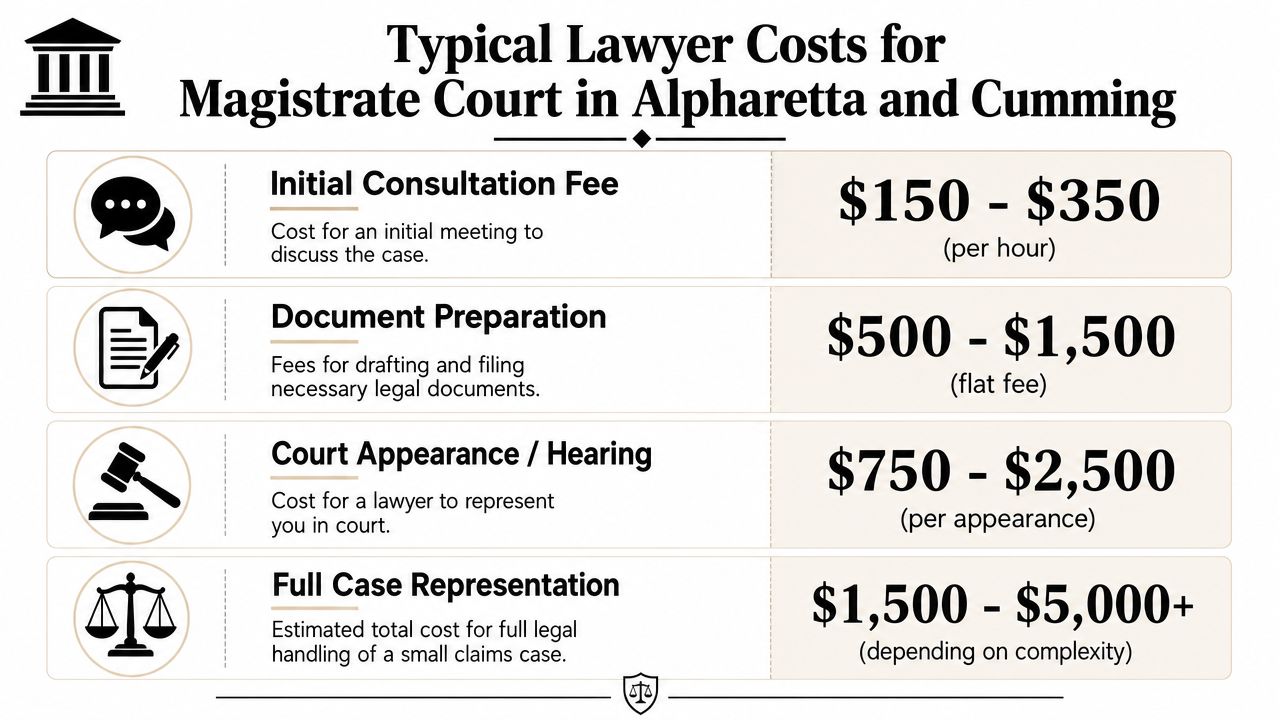
South Carolina Bill 4813: Increases Magistrate Court Fees and Costs
Starting January 1, 2027, the cost of accessing South Carolina's magistrate courts will shift. Under the newly enacted...

Sandfort Scores 25 as Nebraska Beats Providence 67-58
Pryce Sandfort scores 25 to lead Nebraska over Providence Pryce Sandfort scored a game-high 25 points to lead...

Pennsylvania Oil and Gas Compliance Report: Weekly DEP Violations and Environmental Updates
Pennsylvania regulators issue dozens of violations as water contamination and abandoned wells persist The Pennsylvania Department of Environmental...