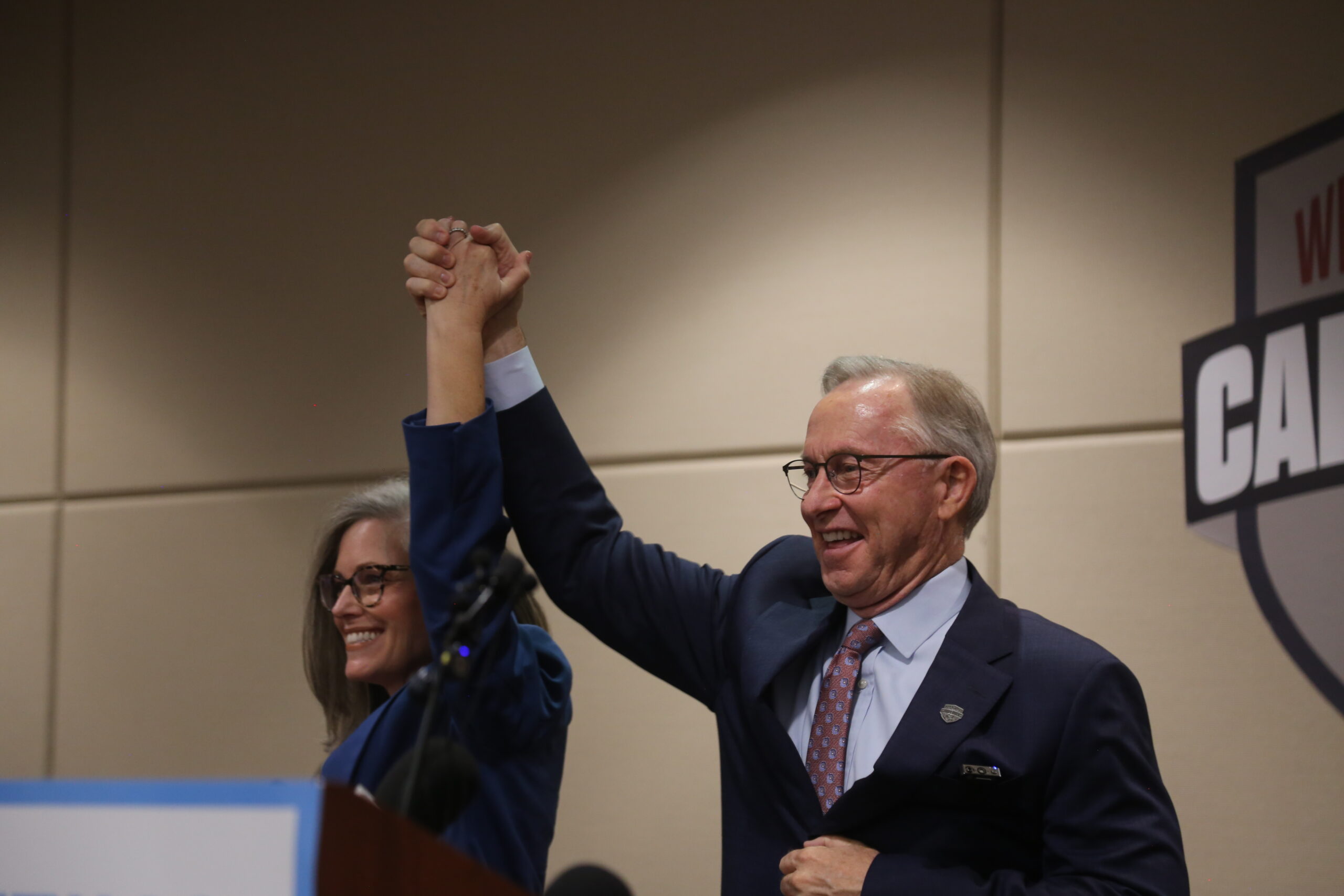
For more than half a century, the political landscape at the Arizona Capitol has been defined by a familiar, often rigid binary. But as of November 6, 2026, that landscape has been fundamentally reshaped. Following a seismic shift in voter sentiment, Democrats are poised to secure a trifecta in state government for the first time in 60 years. While election results remain unofficial and the final tally continues across the state, the current trajectory points toward a Democratic majority of 37-23 in the House and 20-10 in the Senate, as reported by the Arizona Capitol Times.
This transition marks a staggering departure from the status quo. Governor Katie Hobbs, who first entered the state legislature in 2011, captured the scale of the change during a Wednesday night victory rally. She recalled a time when the Senate Democratic caucus was so small that members joked they could share a single pizza. Today, that caucus is preparing to steer the ship of state, with a legislative agenda that aims to pivot from the defensive maneuvering of the past to the proactive governance of the future.
The Shift from Veto Power to Policy Implementation
Governor Hobbs’ first term was defined largely by her pen. She shattered state records for vetoing legislation, rejecting 541 bills over two sessions to act as a firewall against the policies of a Republican-controlled legislature. With a Democratic majority now likely to hold both chambers in 2027, the dynamic between the Governor’s office and the Capitol will undergo a dramatic transformation. Instead of blocking, the focus shifts to building.

The Governor has already outlined a clear set of priorities for the upcoming session:
- Reining in the Empowerment Scholarship Accounts program.
- Passing comprehensive rural groundwater legislation.
- Extending Proposition 123 to ensure continued funding for education.
- Cutting red tape to accelerate starter home developments.
- Expanding apprenticeship programs to bolster the workforce.
However, the transition to a majority comes with immediate, high-stakes pressure. Democratic lobbyists and consultants caution that the honeymoon period will be short. Roy Herrera, a founding partner of the lobbying firm Herrera Arellano, noted that the party must deliver on promises to lower the cost of living—a primary driver for the voters who handed them this win. “Now, you actually have to get stuff passed,” Herrera observed. “If the Democrats want to keep the majority for more than two years, they’re going to have to deliver … quickly on meeting some of those needs.”
Maintaining the Pragmatic Middle
Despite the historic nature of this shift, political observers suggest that the new majority is unlikely to lurch toward the far left. Many consultants argue that the electorate’s message was one of frustration with the status quo and a demand for affordability rather than a desire for radical ideological change. Matt Grodsky, a veteran political consultant, emphasized that this election was not a mandate for ultra-progressive policies, but rather a call for smart governance regarding water, data center regulation, and pushback against federal overreach.
This pragmatic approach is reflected in the anticipated leadership team. House Minority Leader Oscar De Los Santos and Senate Minority Leader Priya Sundareshan are seen as the likely candidates for Speaker and Senate President, respectively. Liz Goodman, chair of the government affairs department at Rose Law Group, highlighted the internal cohesion Sundareshan has fostered, noting that she has united the caucus in a way that has been absent in recent years. For her part, Sundareshan has signaled that the caucus understands the gravity of the moment, framing their legislative responsibility as a commitment to ensuring every Arizonan has a fair shot at success.
The End of Legislative Bottlenecks
The practical impact of this change will be felt most acutely in the committee process. Under Republican leadership, Democratic-sponsored legislation rarely saw the light of day. Records show that in 2025, only ten Democratic-sponsored bills reached the Governor’s desk, and in 2026, just 16 bills managed to pass one chamber and receive a hearing in the other out of more than 2,000 introduced. Secretary of State Adrian Fontes, speaking at a Wednesday press conference, characterized this history as a failure to respect the voices of a significant portion of the electorate.
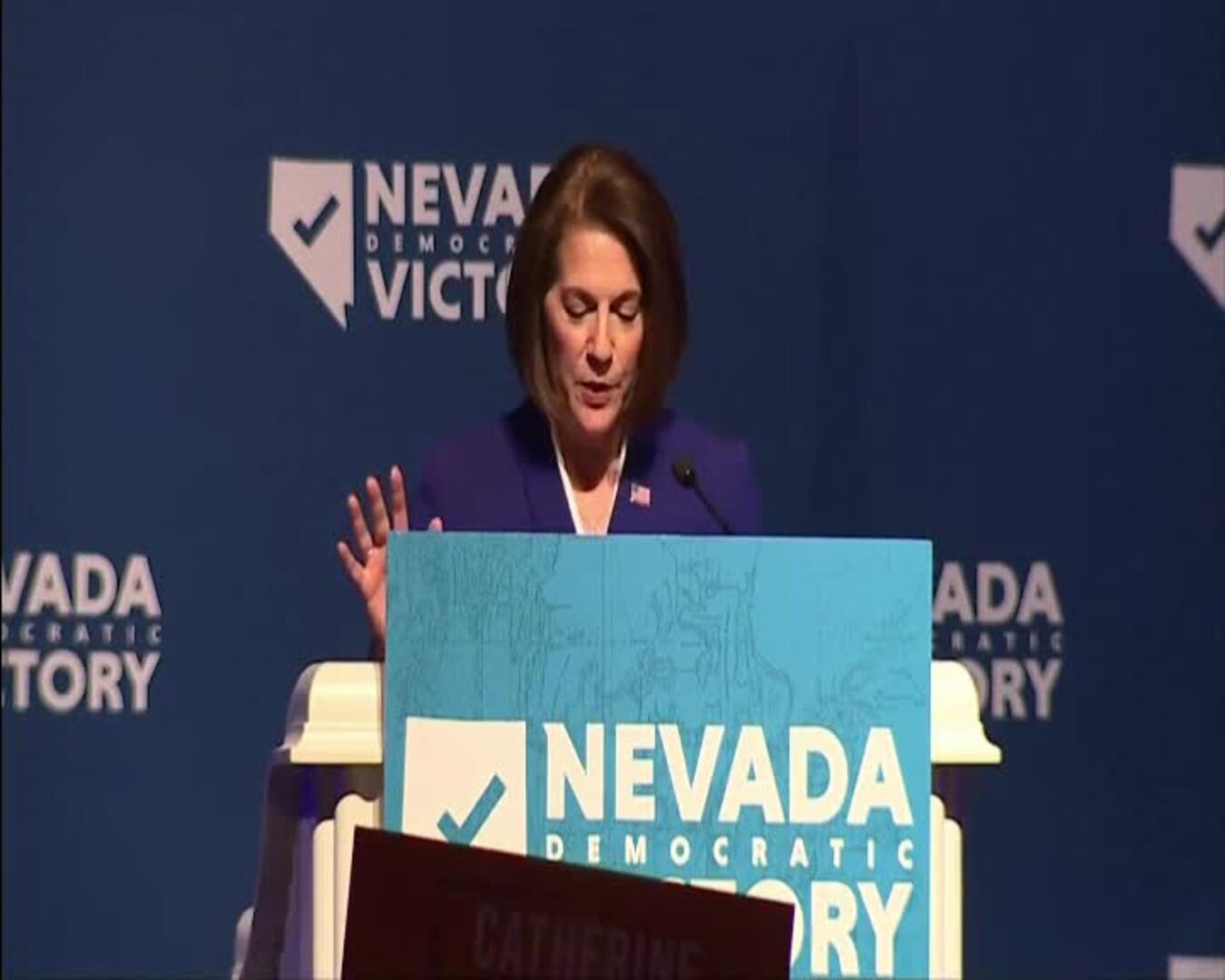
Yet, the road ahead is not without its hurdles. Brian Murray, a Republican consultant with Cornerstone Public Affairs, noted that even with a majority, the nature of Arizona politics necessitates bipartisan cooperation for any significant or lasting policy change. The Governor herself may continue her requirement for bipartisan bills, signaling that while the parties have flipped, the demand for broad consensus remains a cornerstone of her governing philosophy.
As the state moves toward the 2027 legislative session, the question remains: Can a party that has spent decades in the wilderness of the minority successfully pivot to the discipline of the majority? With the cost of living pressing on families across the state, the Democratic trifecta has little time for a victory lap. The real work of governing—and the true test of their legislative unity—begins now.
Worth a look

PBC Runners of the Year Named: Nasrudin Mohamed and Gabrielle Jourdain
Augusta University Dominates Peach Belt Conference Cross Country Honors As the Peach Belt Conference (PBC) prepares for its...

Black Panther In Concert Live at Des Moines Civic Center
Marvel Studios’ Black Panther in Concert is coming to the Des Moines Civic Center, offering a live orchestral...

Bellarmine vs. Indiana Men’s Basketball Play-by-Play Highlights
Bellarmine Men's Basketball Faces Indiana in November 5th Matchup According to the official box score provided by Bellarmine...

Donna Lasinski Named President of Chicago Cultural Stadium Project
Chicago’s Cultural Stadium Initiative Appoints New Leadership The long-discussed vision to reshape Downtown Chicago into a "Cultural Stadium"—a...