Olive Oil Before Glucose: Does Meal Sequence Control Blood Sugar Spikes?
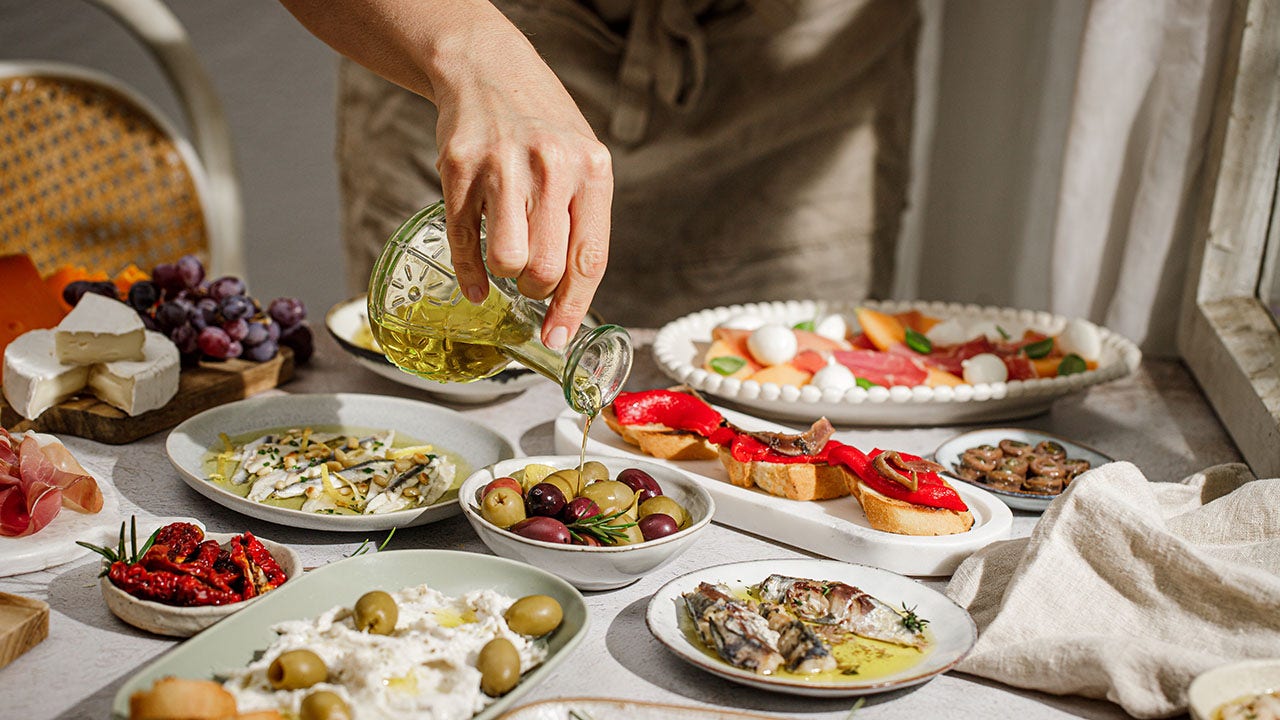
A new study published in the journal Diabetes this October suggests that the order in which we consume food may play a significant role in how our bodies process glucose. Researchers found that mice given olive oil 15 minutes before receiving glucose experienced a notably smaller spike in blood sugar compared to those that received glucose alone or glucose first. As reported by Fox News, this research highlights a potential physiological mechanism where nutrient sequencing influences the body’s hormone-nerve response, effectively slowing the rate at which the stomach delivers glucose to the intestine.
The study, led by Dr. Daisuke Yabe of Kyoto University, observed that administering fat before sugar triggered early increases in two specific hormones: glucagon and GLP-1. While glucagon is traditionally associated with raising blood sugar, the researchers noted that in this context, the two hormones appear to function in tandem to mitigate glucose surges. According to Mezha.net, the researchers also tested other dietary fats, indicating that this response may not be exclusive to olive oil.
The Human Context and Expert Caution
While the findings offer a compelling look at metabolic regulation in a laboratory setting, experts emphasize that human physiology is significantly more complex. Huma Chaudhry, a Chicago-based registered dietitian and founder of Dose of Nutrition, told Fox News Digital that while the study adds to the growing body of research on meal sequencing, it is premature to view this as a medical “quick fix.”

The takeaway isn’t that everyone should start drinking olive oil before a meal. The bigger message is about building balanced meals that naturally contain healthy fats, protein, fiber and carbohydrates. — Huma Chaudhry
Chaudhry noted that the mice in the study were fasted overnight and received the fat and glucose as separate boluses 15 minutes apart. This differs substantially from the way humans typically consume a balanced meal, where fats, proteins, and carbohydrates are often eaten together or in closer succession during a single sitting.
Broader Perspectives on Meal Sequencing
The concept of “food sequencing” has gained traction outside of this specific mouse model. According to reporting from Vietnam.vn, Associate Professor Dr. Nguyen Thi Lam, former Deputy Director of the National Institute of Nutrition, points to a common strategy of eating vegetables first, followed by protein, and finally carbohydrates. The theory suggests that fiber from vegetables creates a “biological membrane” in the stomach, which slows digestion, while proteins and fats stimulate satiety hormones.

Both the Kyoto University study and the broader dietary strategies mentioned by experts like Dr. Lam emphasize that carbohydrates should not be eliminated entirely. Rather, the focus is on the impact that sequencing has on the conversion rate of glucose, which could theoretically prevent the sharp spikes associated with fat accumulation and post-meal fatigue.
What Happens Next for Meal Sequencing Research
Despite the interest in these findings, there is a clear consensus among experts that further clinical trials in human subjects are necessary to validate the effects observed in the Diabetes study. The researchers themselves acknowledge that while meal sequencing is an appealingly practical approach because it does not require the exclusion of entire food groups, more data is required to determine if the specific 15-minute interval or the use of olive oil yields consistent results in people.
For those looking to apply these concepts today, the advice remains grounded in overall dietary quality. Experts suggest that rather than treating specific foods as supplements, the most effective approach is to incorporate a balance of leafy greens, healthy fats, and proteins into the start of a meal. As Dr. Lam noted, meal sequencing is a supporting solution; it remains secondary to the fundamental necessity of maintaining a balance between energy intake and expenditure, alongside regular physical activity.
Worth a look

President Marcos nominates 9 Cabinet members to Commission on Appointments
President Marcos Swears in 10 Cabinet Officials President Ferdinand Marcos Jr. administered the oath of office to 10...
Nepal PM Balen Shah meets Indian diplomat ahead of India trip
For months, the diplomatic temperature between Kathmandu and New Delhi hovered near a freezing point. As recently as...

Arrest after teenager injured in Galway shooting incident
Investigation Underway Following Shooting in Ballinasloe A major investigation is currently unfolding in County Galway after a teenager...

How Facebook’s Crunchy Moms Group Spreads Dangerous Medical Misinformation
The Growing Reach of Vaccine Misinformation in Digital Parenting Spaces In August, as a measles outbreak took hold...