
Democrats swept into power across New Hampshire on Tuesday night, capturing a two-thirds supermajority in the state House, winning control of the Executive Council, and positioning themselves for a majority in the Senate while Republican Gov. Kelly Ayotte secured a second term, New Hampshire Bulletin reported.
The scale of the Democratic victory stunned even seasoned lawmakers. By Wednesday morning, preliminary estimates from the House clerk counted 291 Democrats, 108 Republicans, and one independent in the 400-seat chamber—a margin that gives the party the power to override gubernatorial vetoes and advance constitutional amendments to the 2028 ballot without Republican support. In the 24-seat Senate, Democrats were on track to hold 15 or 16 seats pending a recount in District 8, while also winning all five Executive Council seats and wiping out the GOP’s 4-1 majority on that body.
A Shock Even for the Winners
Rep. Alissandra Murray, a Manchester Democrat, had assumed her party would take back the House. But it wasn’t until she saw her own race’s results that she grasped the magnitude. Her purple, two-seat district typically splits between the parties, yet no Republican appeared headed for the second seat. Then came word from Rochester of Democratic gains in Republican strongholds, followed by defeats of prominent GOP lawmakers including Reps. Ross Berry of Weare and Kristin Noble of Bedford, and finally the news that House Speaker Sherman Packard had lost his seat by just 0.6%.
“I honestly was speechless for a couple hours,” Murray said Wednesday.
Murray had deliberately held off filing legislation during September’s filing period, waiting to see what kind of chamber she would be working in. Those results, she said, “completely changed what I thought was possible.”

Democrats Chart an Affordability Agenda
House Democratic Leader Alexis Simpson of Exeter announced Wednesday she would campaign to become House speaker, calling the win historic. Simpson said, “We have never had this many Democrats elected.”
Yet both Simpson and Senate Minority Leader Rebecca Perkins Kwoka of Portsmouth—who could become Senate president—said Wednesday they were still taking in the size of the majorities and assessing their legislative priorities. Perkins Kwoka said the caucus would meet soon to assess strategy, but insisted the agenda remained unchanged. “It really doesn’t change our agenda… We were focused on a future where we lead with integrity and life is affordable.”
Murray, a veteran of the Criminal Justice and Public Safety Committee, outlined specific priorities: reversing a recent law allowing no-cause evictions, advancing LGBTQ+ protections, aggressive housing measures, restoring the interest and dividends tax repealed in 2021, and passing cannabis legalization that could survive Ayotte’s veto with support from libertarian-leaning Republicans.
Republicans Point Fingers—At Trump, at Leadership, at Each Other
The GOP’s reaction ranged from despair to infighting. Some blamed national headwinds. Berry posted a photo of a gas pump showing a $125.42 fill-up alongside the text “Omg how did we ever lose?” Rep. Mike Belcher of Wakefield, who held his seat, argued voters rejected Republicans’ calls to accept “short-term financial pain” over the war in Iran.
Others looked inward. Rep. David Lundgren of Londonderry, the lone Republican survivor in his seven-member delegation, told News from the States that House Majority Leader Jason Osborne and the “extreme far right in leadership” bore responsibility. Lundgren recalled a time before 2017 when members sat interspersed by party rather than segregated, and lamented that Republicans “are ready to cut people’s throats” while Democrats “never fight with each other.”
Sen. Bill Gannon of Sandown, who won reelection, criticized the House GOP’s monthslong push for school district tax caps, arguing, “We come out too hard.” But Sen. Daryl Abbas of Salem offered a different diagnosis, warning Democrats that voters who elected them on affordability promises would hold them accountable: “Anyone who’s campaigning that they’re going to lower your fuel costs… they know damn well that they can’t deliver on that.”
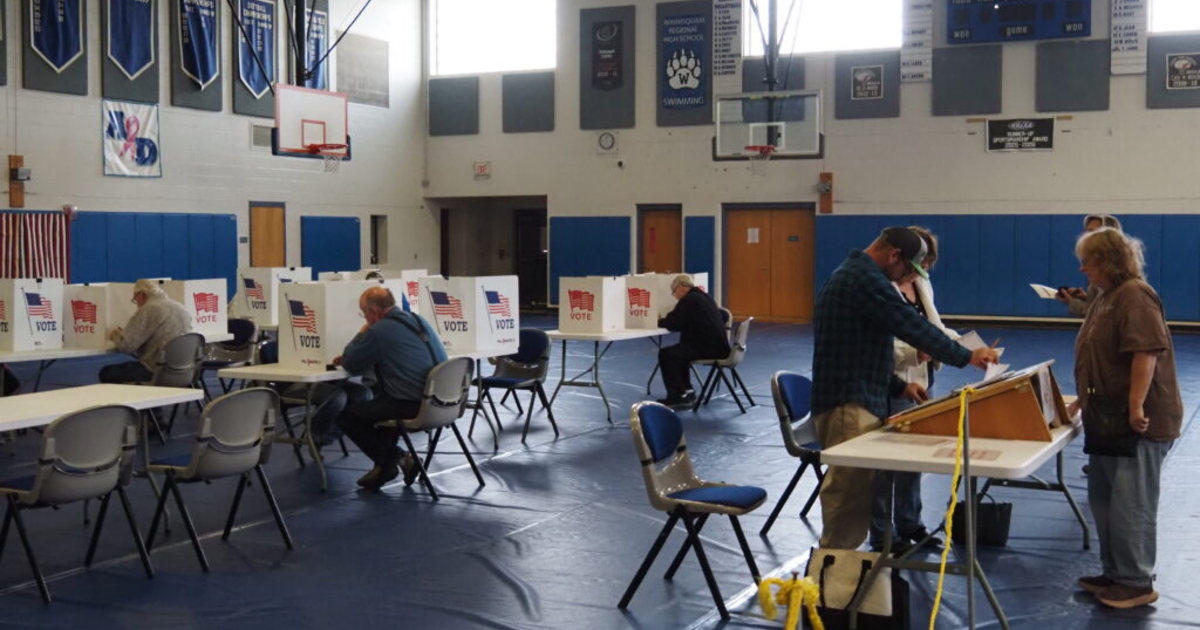
Packard, the outgoing speaker, struck a conciliatory note in his concession. “The voters have spoken, and I respect their decision,” he said, adding he was “looking forward to some well-earned time off” while ensuring a smooth transition.
The Ayotte Dynamic
The Democratic supermajority holds vast influence over the state’s two-year budget, which must be approved by July 2027. With 291 House seats, Democrats can override Ayotte’s vetoes; in the Senate, they would need either the governor’s signature or one Republican vote to reach the 16 seats required for a veto-proof majority.
The question is whether Democrats will use the budget as a weapon, following the 2021 precedent when Republicans attached a 24-week abortion ban and “banned concepts” teaching restrictions to the spending plan, forcing then-Gov. Chris Sununu to sign them into law despite his opposition. Simpson emphasized that with 291 members, leadership must listen to the entire caucus, while Perkins Kwoka stressed running the chamber to allow “full discussion” and compromise.
Ayotte, for her part, did not mention the legislative results in her victory remarks. In a Wednesday statement, she promised to “defend the New Hampshire Advantage” and work on housing, childcare, and energy prices—without acknowledging the Democratic wave that will greet her in January.
Democrats Secure Legislative Leverage
Recounts could still shift individual races, particularly in Senate District 8 where Republican Jim Creighton held a narrow lead. But the overall picture is clear: Democrats now control the House with enough votes to set the agenda, the Executive Council with a 5-0 majority, and potentially enough Senate seats to force negotiations or override vetoes with a single Republican defection.
For Murray and her colleagues, the question is no longer whether they can pass legislation, but how aggressively they will use a mandate that none of them expected to be this large.
“I see a lot of us really going to bat for that,” Murray said of cannabis legalization. “And I know that she’s not interested in having that conversation, but we’re going to bring it to her because that’s what the people want us to do.”
Worth a look
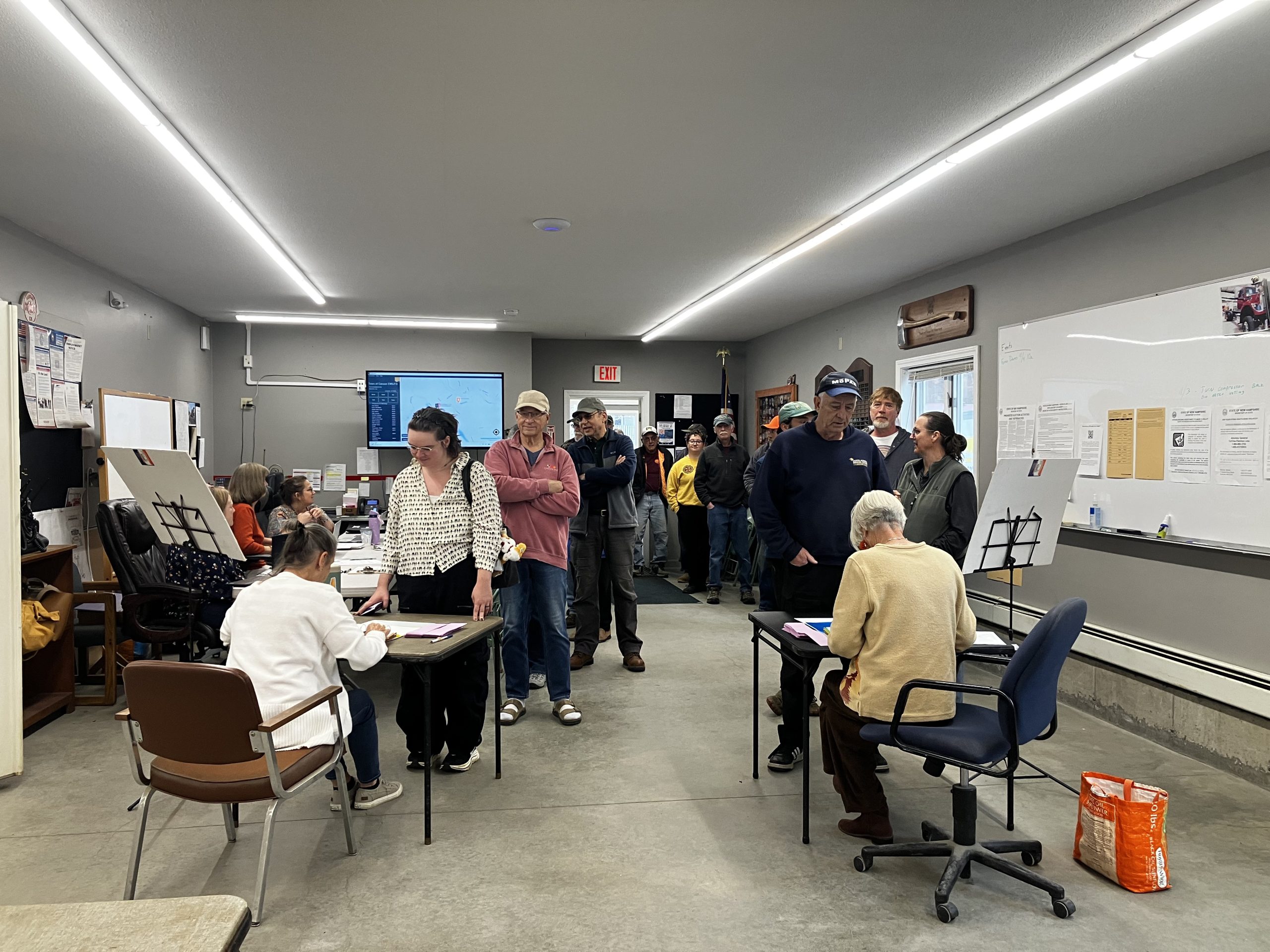
Ayotte wins governor, Pappas wins Senate seat, and Upper Valley Splits on tax cap
Ayotte Wins, Pappas Makes History, and the Upper Valley Splits on Taxes: Five Takeaways from New Hampshire's 2026...

36th Annual Fountain City Classic: Albany State vs Fort Valley State
COLUMBUS, Ga. — The 36th Annual Fountain City Classic kicks off Thursday, Nov. 5, and WTVM reported that...

Man Killed, Woman Injured After Second-Story Railing Collapses in Franklin
“This is a tragic incident, and our deepest sympathies go out to the family and loved ones of...

Guttmacher: 3 states strengthen abortion rights in 2026 elections
In the 2026 elections, voters approved constitutional abortion rights measures in Nevada and Virginia but rejected similar measures...