
In the 2026 elections, voters approved constitutional abortion rights measures in Nevada and Virginia but rejected similar measures in Idaho and Missouri, Guttmacher Institute reported. Nevada and Virginia moved to enshrine abortion rights in their state constitutions, while Missouri voters rejected an attempt to strip away protections approved just two years earlier. Only in Idaho did voters decline to create a new legal pathway to challenge the state’s total abortion ban.
Nevada and Virginia Lock in Constitutional Protections
In Nevada, Question 6 passed for the second time, satisfying the state’s unique requirement that constitutional amendments win approval in two consecutive elections. Voters first approved the Right to Abortion Initiative in 2024; now that it has passed again, the measure will take effect following a vote by the state supreme court, which has previously been supportive of abortion rights. The amendment establishes a fundamental right to abortion in the state constitution while allowing restrictions after viability, except when necessary to protect the pregnant person’s life or physical health.
Virginia voters similarly approved Question 1, the Right to Reproductive Freedom Amendment, which enshrines reproductive freedom in the state constitution with broad scope. The measure protects personal decisions about prenatal care, childbirth, postpartum care, birth control, abortion, pregnancy loss, and fertility care. It also shields patients, doctors, and nurses from punishment for these decisions. The amendment does allow third-trimester restrictions except when the patient’s health is at risk or the pregnancy cannot survive.
Virginia provided 40,090 abortions in 2025, approximately the same as 2024 but nearly 114% higher than 2020, the last year before Roe was overturned. Nevada saw 16,190 abortions in 2025, a slight 6.3% decrease from 2024 but a 47% increase compared to 2020—a trend documented in research published in Perspectives on Sexual and Reproductive Health. In both states, medication abortions accounted for the majority of procedures, at 69% in Nevada and 66% in Virginia as of 2023, the most recent year with method data.
Missouri Voters Defend 2024 Gains; Idaho Rejects Challenge to Total Ban
In Missouri, the anti-abortion Amendment 3 failed, preserving the right to reproductive freedom voters enshrined in the state constitution in 2024. That 2024 vote had already provided the legal avenue to overturn the state’s total abortion ban, allowing procedural abortion care to resume in 2025, and a June 2026 court ruling restored in-state medication abortion access for the first time since 2018. Despite these gains, abortions in Missouri rose 53.5% in 2025 to 3,550, yet more than 11,500 people still had to travel out of state for care—mostly to Illinois (7,690) and Kansas (3,940)—because of remaining restrictions like Medicaid coverage bans and parental involvement laws.
Idaho stood apart as the only state where voters rejected a pro-choice measure. Proposition 1, led by Idahoans United for Women and Families, would have created a statutory right to reproductive freedom and privacy, preventing restrictions before viability except in medical emergencies and protecting contraception, fertility treatments, and pregnancy loss care. Its failure leaves Idaho categorized as “Most Restrictive,” where residents rely on telehealth shield laws and travel to other states to access abortion despite the total ban.
The Geography of Access: Who Travels Where
Virginia served as a critical access point for the Southeast, with more than 8,500 people traveling into the state for care—primarily from North Carolina (2,180), Florida (1,770), and Georgia (1,240). Meanwhile, 2,920 Virginians traveled out of state, mostly to Maryland (1,220) and DC (860). Nevada saw 890 people arrive from other states, including 320 from Texas, 220 from Arizona, and 140 from Utah, while 720 Nevadans left for care elsewhere, mostly in California (520).
The failed measures in Idaho and Missouri show that the existing patchwork of state bans and protections continues to force people to travel across state lines for abortion care.
What remains unresolved is whether these new constitutional rights will withstand future legislative attempts to restrict access through funding bans or targeted clinic regulations—the kinds of TRAP laws that Missouri’s failed Amendment 3 would have allowed the legislature to enact. As of now, the 2026 election outcomes confirm that three states have strengthened protections for abortion rights, while one has kept its complete ban in place.
Worth a look

Fargo Landmark The Bowler Bowling Alley Goes on Sale for $4.3 Million
The Bowler, a bowling alley on University Drive in Fargo, is on the market for $4.3 million, Valley...
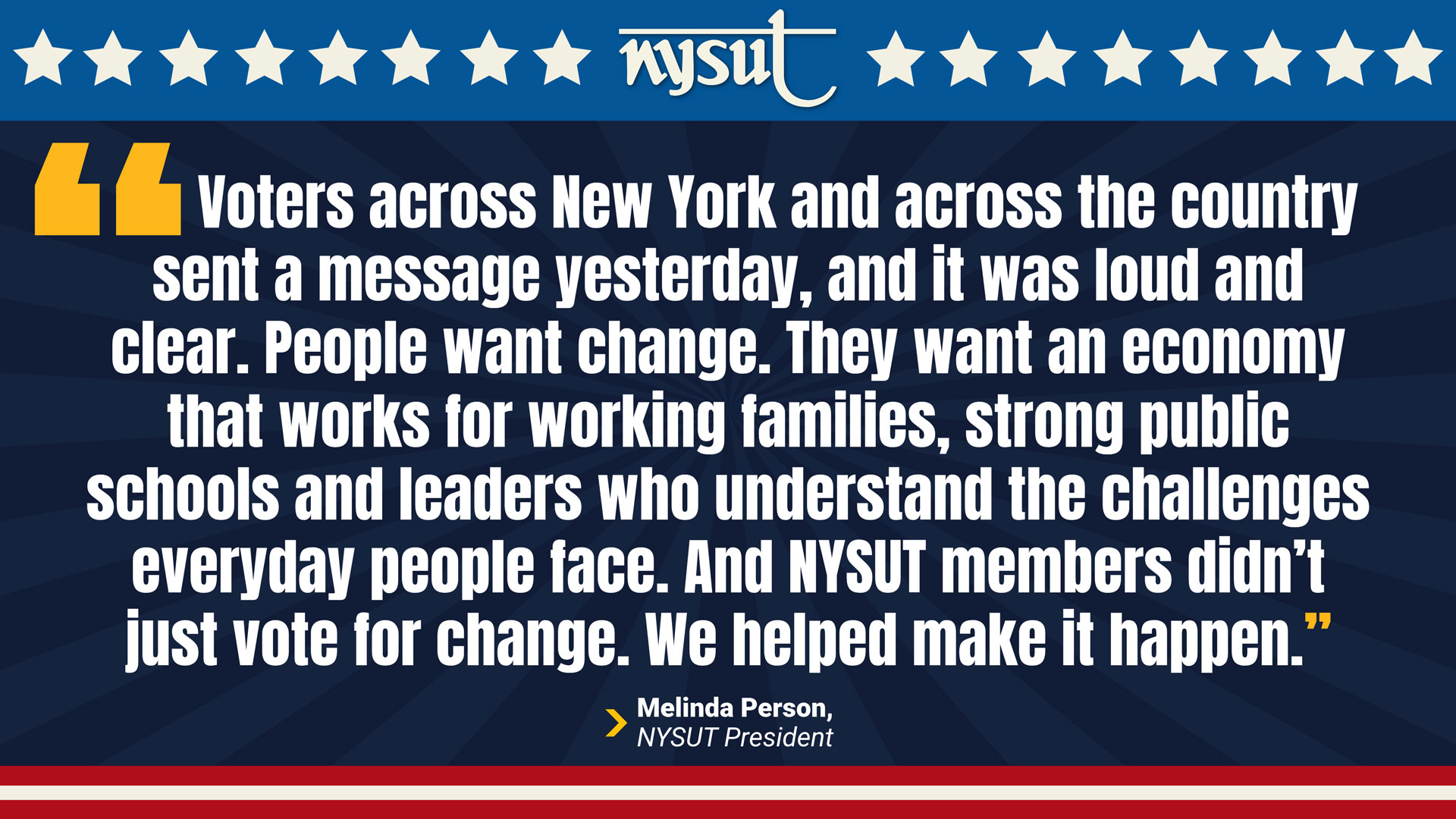
NYSUT Members Drive Major Election Victories Across New York
When Cait Conley won New York's 17th Congressional District on Tuesday, New York State United Teachers members played...
NYSUT members deliver election Wins across New York
11,000 Shifts and Half a Million Contacts: NYSUT's Ground Game Delivers Sweeping Election Wins Across New York Tuesday...

Ohio voters Block data center projects in three Towns
Ohio Voters Block Data Centers in Three Towns, Sending Construction Stocks Down 21% More than 40% of the...