
The Westgate Resident Turning Street Cleanup into a Community Mission
Dennis Betzel spends his mornings traversing the Westgate neighborhood armed with a simple kit: a cap, a litter grabber, and an empty bucket. For the 62-year-old, the walk is a tactical operation against the chronic littering that plagues Baltimore’s southwest edge. His haul often includes a disheartening variety of debris, from crumpled snack bags and miniature alcohol bottles to the discarded Little Trees air fresheners that seem to suggest a driver’s disregard for the community they are passing through.
Happening today: join us in celebrating our hero’s. Kicking off at the Washington Monument at 12 PM. pic.twitter.com/2v1JLUnmbk
The Banner recently highlighted Betzel’s efforts, noting that what began as a solo frustration has evolved into a local movement. When he isn’t cleaning, he is likely mowing a neighbor’s lawn, clearing snow from driveways, or sharing eggs from the modest chicken coop in his backyard. His dedication to the area, where he has lived since moving from Glen Burnie in 2001, has transformed how Westgate residents view their own streets.
From Personal Frustration to Public Persona
The moniker “trash fairy” was born out of a moment of genuine exasperation. After spending hours clearing a stretch of road, only to find it littered again shortly after, Betzel lamented to a neighbor that people seemed to believe a mythical creature was responsible for keeping the streets clean. The neighbor took the comment to heart, and the name stuck. Betzel eventually embraced the identity, even donning fairy wings during his cleanup rounds to bring a sense of humor and visibility to the task.
Northbound lanes on I-95 now open
This commitment is deeply personal. Raised by a single mother who worked as a waitress, Betzel recalls his childhood in the Middlesex neighborhood, where he participated in national litter campaigns wearing a cape and mask. His mother’s insistence on keeping their home in order and her uniform spotless left a lasting impression on his own habits. Today, he documents his progress, keeping a library of photos on his phone that track every bucket of trash he collects before depositing the waste in a nearby dumpster.
The Scale of Baltimore’s Waste Challenge
Betzel’s work is taking place against a backdrop of significant municipal struggle. The city of Baltimore faces more than 13,000 reports of illegal dumping annually, according to city data. The Department of Housing & Community Development maintains a special investigations unit tasked with tracking down offenders, while the city encourages residents to organize block cleanups through the 311 system. However, for many, the gap between official city response times and the daily reality of neighborhood cleanliness is where volunteers like Betzel fill the void.
The economic and social stakes of this work are high. Neighborhoods like Westgate, which sit near the county line and feature distinctive architectural details like stained-glass windows, rely on resident-led initiatives to maintain property values and community pride. When trash is allowed to accumulate, it can signal a lack of investment in the area, potentially discouraging business and further community engagement. Betzel’s shift to working from home for a software company during the pandemic allowed him to intensify these efforts, proving that even small, consistent actions can shift the aesthetic and morale of an entire block.
A Culture of Neighborhood Support
The impact of Betzel’s work extends beyond the physical removal of trash. His stepdaughter, Shauna Jansen, notes that his desire to help is a defining trait. She pointed to a Toyota Highlander currently in his possession—a vehicle left to him by a neighbor who, before passing away, had frequently benefited from Betzel’s assistance. This cycle of mutual aid, coupled with his wife Linda’s small soap business, Betzel’s Bath Bars, reinforces the tightly knit fabric of the Westgate community.

While the city continues to navigate the complexities of waste management and illegal dumping enforcement, the transformation in Westgate is tangible. Betzel notes that his blue buckets aren’t filling up as quickly as they used to. Neighbors, inspired by his persistence, have begun to join in, with some even sharing photos of their own children participating in cleanups. In a city where the scale of the litter problem can feel overwhelming, Betzel’s approach suggests that the most effective way to combat municipal decay is to show the community, one bucket at a time, that help is always nearby.
Worth a look

OKC Tree Lighting Festival Kicks Off Downtown Holiday Season
Downtown Oklahoma City Prepares for 25th Annual Tree Lighting The holiday season in Oklahoma City officially begins next...

Columbus Restaurants and Breweries Honor Ohio State Football Legends on Menus
The Flavor of Football: How Columbus Menus Immortalize Buckeye Icons If you spend enough time in Columbus, you...

Gonzaga hosts New Mexico State in home opener after Purdue win
The transition from the bright lights of Las Vegas to the familiar floor of The Kennel is rarely...
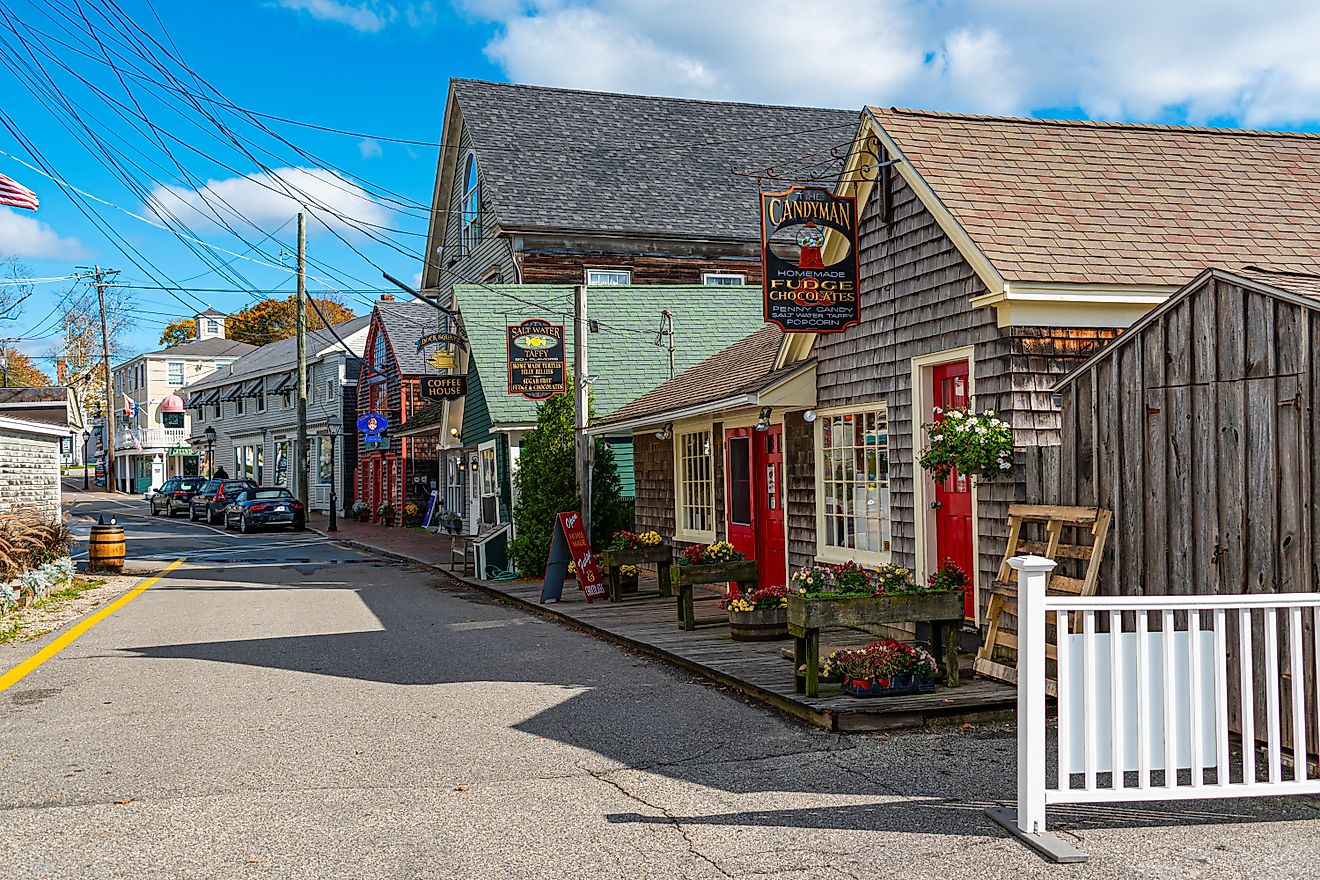
World Atlas identifies 9 New England towns essential to regional history
The Enduring Geography of New England’s Historic Towns New England’s identity is often measured not by its metropolitan...