
Republican attempts to gerrymander congressional maps during the 2026 election cycle worked as intended in some areas, but backfired severely in North Carolina and Ohio as a wave of Democratic voters pushed past heavily redrawn districts, The Conversation reported.
During the 2026 midterms, partisan redistricting played out across the country as both parties sought to secure disproportionate edges in the U.S. House of Representatives. While Democrats executed a successful map redraw in California and an unsuccessful one in Virginia, Republican legislatures took aggressive steps in several target states to lock in majorities.
The practice of politicians picking their voters rather than vice-versa carries obvious democratic implications. Yet it also introduces practical risks when political parties overplay their hand.
Spreading supportive voters thin across numerous districts can backfire during wave election years. This unintended consequence is commonly known as a dummymander.
Republican state legislatures in Ohio and North Carolina redrew their congressional maps in 2025 to maximize their seat share. In Ohio, 12 of 15 newly drawn seats featured a majority of voters who backed Donald Trump in 2024. In North Carolina, 11 of 14 new districts shared that profile.

However, the 2026 midterm backlash upended those calculations. Democrats flipped seats across the country that Trump had previously won by double digits, putting targeted districts in Ohio and North Carolina in serious jeopardy.
In Ohio, a map designed to secure a two-thirds Republican majority ultimately yielded less than half that number in the 120th Congress. North Carolina proved even more drastic, as Republicans aimed for nearly two thirds of the delegation but are poised to hold less than one third.
Texas and Florida targeted a combined nine Democrat-held seats to flip in 2026, alongside a vulnerable Alabama seat held by U.S. Rep. Shomari Figures. Each of these districts was redrawn to reflect 2024 Trump margins of nine percentage points or more.

Despite those targets, a strong Democratic wave in the Deep South neutralized the impact. Republicans in Texas, Florida, and Alabama appear likely to enter the new Congress with delegations identical in size to the 119th Congress.
In Tennessee, the state’s last remaining Democratic seat in the 9th District was gerrymandered into a territory Trump won by 21 points in 2024. Republicans managed to hold the seat, but by a razor-thin margin of just 2,500 votes, or roughly one percentage point.
As difficult as the 2026 midterms proved for Republicans, other Republican gerrymandering attempts were successful, but only barely.
With potential new maps looming in the South and continued Democratic pushback planned, both parties face renewed caution over the limits of map manipulation.
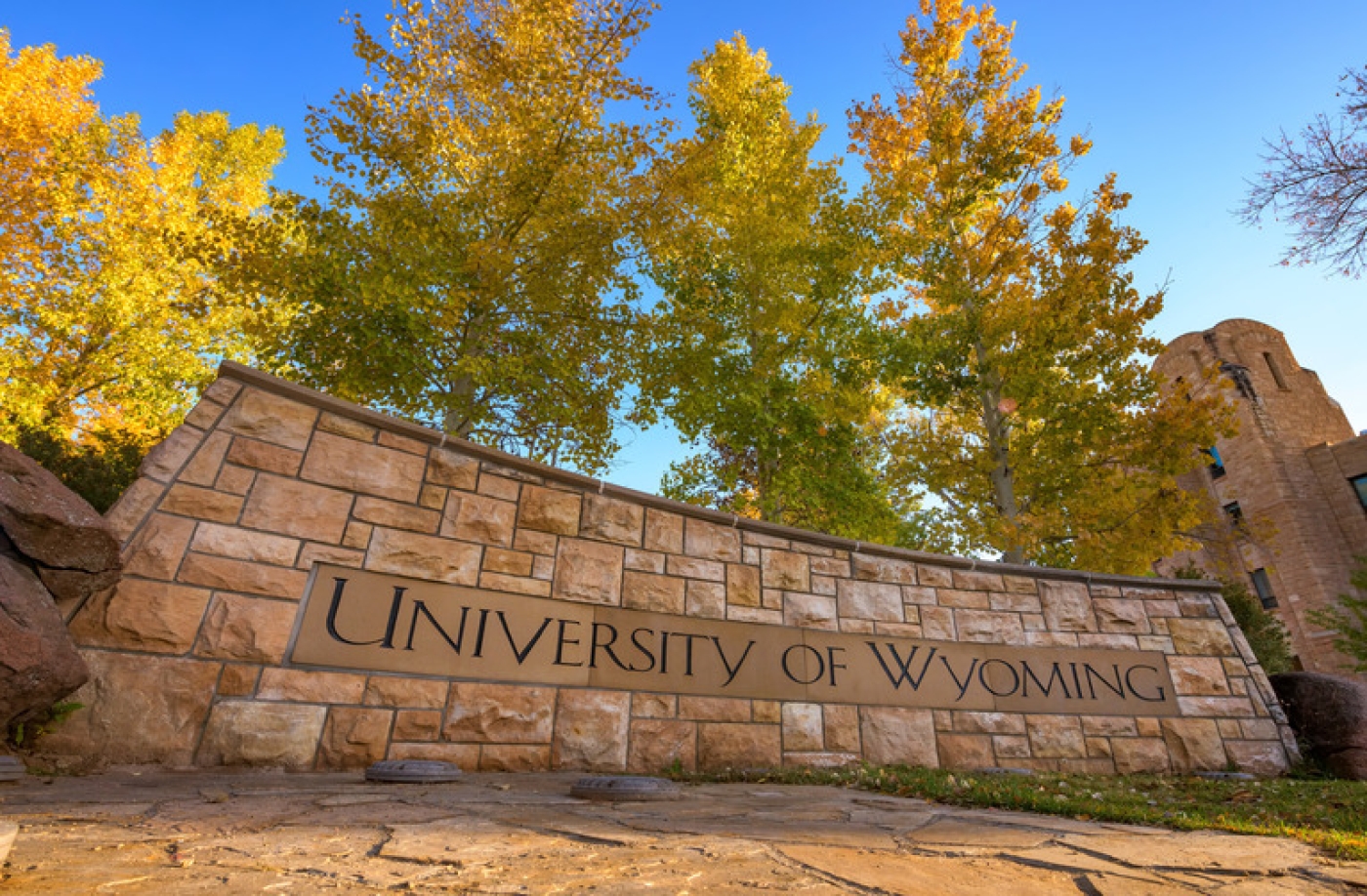
University of Wyoming Saves $45,000 Annually With FormFusion E-Billing
The University of Wyoming saves approximately $45,000 annually after replacing printed mailouts with electronic billing. Before the change,...

Brewers Lose Jake Bauers to Red Sox in $58 Million Deal
First baseman Jake Bauers is leaving the Milwaukee Brewers to sign a four-year, $58 million contract with the...

No. 24 West Virginia Defeats Northwestern 66-53 After Late Run
Northwestern pushed No. 24 West Virginia deep into the fourth quarter before a late 15-2 run sealed a...

Seattle Leaders Visit San Francisco to Study Economic Recovery
Public safety changes and street conditions shape economic confidence, as Seattle city leaders learned during a trip to...