
The Infrastructure Tug-of-War: Assessing Dover and Hubbell
For investors looking to capitalize on the multi-year surge in infrastructure spending—specifically the massive capital flowing into energy grids, data centers, and electrical equipment—the choice between Dover (DOV) and Hubbell (HUBB) has become a defining puzzle. While both companies occupy the same industrial orbit, their paths to growth in the current fiscal year have diverged significantly. As Trefis reported, the market is currently pricing these two entities at nearly identical earnings multiples, yet their underlying performance and risk profiles tell two very different stories.
The stakes here are not merely academic. We are looking at a cycle driven by intense demand for grid modernization and the massive data infrastructure required by the digital economy. The question for any allocator is simple: are you betting on the company with the leaner balance sheet and potential for future catch-up, or the company currently delivering superior top-line momentum?
Hubbell’s Aggressive Growth Trajectory
Hubbell has firmly positioned itself as the faster-moving entity in this race. During the twelve months ending September 30, 2026, the company posted revenue growth of 16.0%, significantly outpacing Dover’s 8.2% growth over the same period. This lead isn’t just organic; it is bolstered by strategic acquisitions, most notably the integration of NSI, which is expected to contribute approximately 7.5% to the company’s total sales growth for fiscal 2026.
Following an update on October 27, 2026, Hubbell raised its fiscal 2026 sales growth outlook to a range of 18% to 19%. Even when stripping away the influence of recent deals, the company’s organic growth remains robust, projected at 10% to 11%. Perhaps most crucially for investors, Hubbell has maintained its guidance across the board, with only a minor downward adjustment for its Utility Solutions segment.
Dover’s Strategic Pivot and Balance Sheet Discipline
Dover presents a more nuanced case. While its sales growth lags behind Hubbell, the company is betting on a significant backlog. As of the third quarter of 2026, Dover reported a 16% jump in orders compared to the previous year, with a total backlog 35% higher than it was twelve months prior. Management has signaled that roughly half of this backlog is slated to ship in 2027, effectively pushing the narrative of Dover’s recovery into the next calendar year.
The company is also choosing a different path regarding its capital structure. Dover operates with a much lighter debt load, with total debt accounting for only 12.0% of its market value, compared to 24% for Hubbell. This conservative approach to leverage provides a buffer that proved invaluable during the interest rate volatility of 2022. However, this discipline comes with operational friction. Dover has absorbed $40 million in costs within its food retail business during the first nine months of 2026—a byproduct of consolidating plants and ramping up production for new cryogenic components.
The Margin Gap and the Valuation Question
The divergence in performance is most visible in operating margins. Hubbell has successfully converted 20% of its revenue into operating profit over the last year, while Dover sits at 17.0%. When Dover trimmed its earnings per share outlook on October 27, it highlighted the disparity between the two; investors are currently paying 23.3 times earnings for Dover, compared to 24.4 times for Hubbell.
The market is essentially asking whether Dover’s recent order surge will translate into the faster sales growth needed to justify its current valuation, or if the company is merely a slower-moving alternative to Hubbell’s more efficient operation.
For those watching the sector, the upcoming fiscal Q4 2026 report, expected in January 2027, will be the ultimate test. It will reveal whether Dover’s backlog is beginning to convert into the revenue growth that Hubbell has already locked in. Until that data hits the wire, the market remains in a holding pattern, weighing the safety of Dover’s low-debt balance sheet against the proven, high-margin execution currently driving Hubbell’s expansion.
Worth a look

The Honolulu City Council has selected Councilmember Tyler Dos Santos-Tam as its new chair, marking
Tyler Dos Santos-Tam to Lead Honolulu City Council The Honolulu City Council has selected Councilmember Tyler Dos Santos-Tam...

Search continues for infant abducted from Atlanta home 48 years ago
For forty-eight years, Donna Green has lived in a space between memory and mystery. In November 1978, she...

Delaware Police Issue Alerts for Wanted and Homeless Sex Offenders
Delaware State Police Update Registry for Homeless and Wanted Sex Offenders On Friday, November 6, 2026, the Delaware...
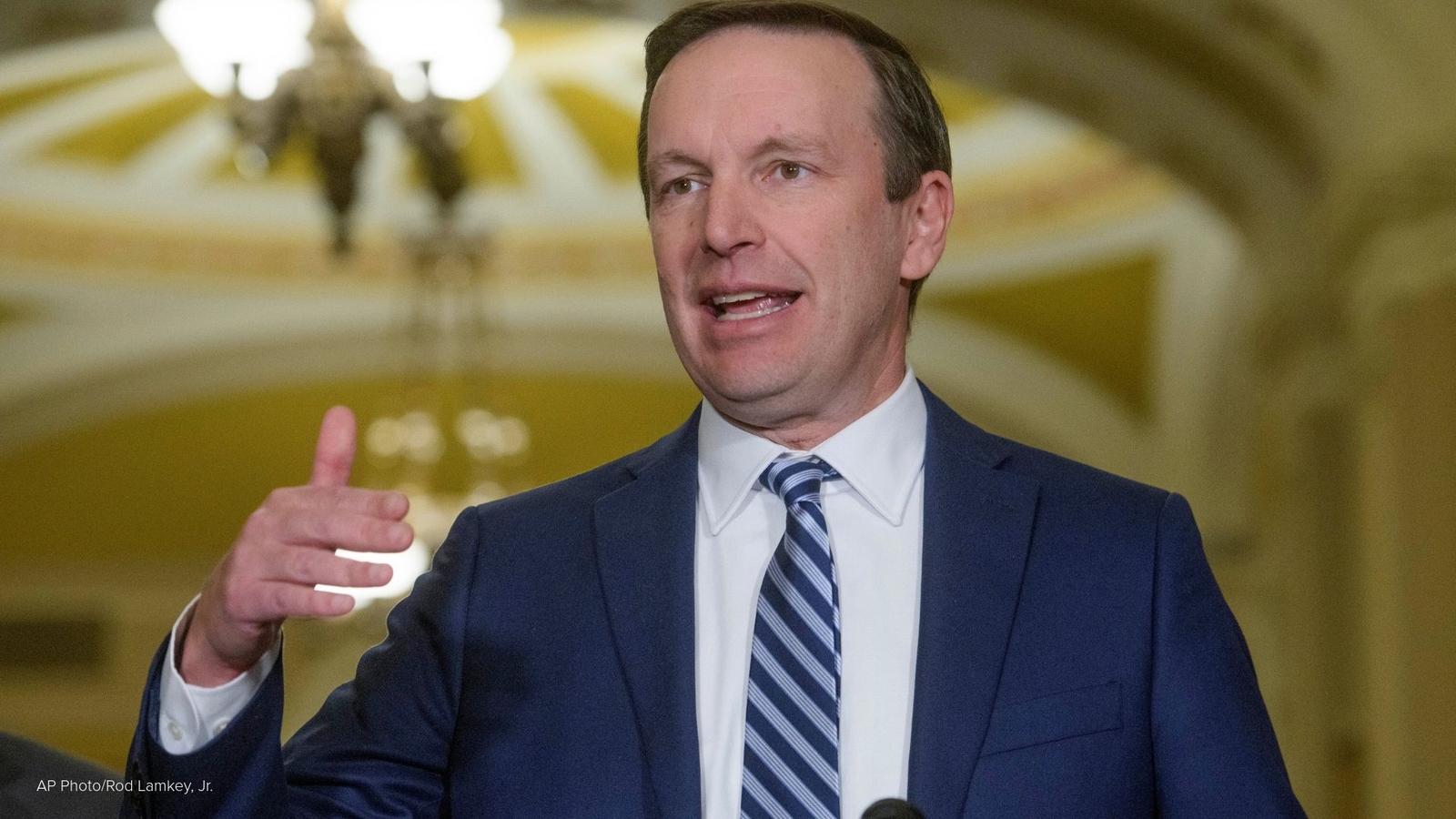
Sen. Chris Murphy Discharged From Hospital After Suffering Hemorrhagic Stroke
Senator Chris Murphy’s Path to Recovery Following Hemorrhagic Stroke Democratic Senator Chris Murphy of Connecticut has been discharged...